Last Updated: September 26, 2026
For someone living with COPD, a favorite chair is often where most of the day is spent, and getting in and out of it can take more breath than it should. A power lift chair can reduce that effort by doing much of the work of standing. The right chair also supports a posture that some people find easier for breathing and leaves space for an oxygen line. This guide covers the features that matter for chronic lung disease, the ones that are mainly marketing, and how to match the chair to a person’s size and daily routine.
Why Lift Chairs Help People With COPD
Standing up from a low, soft seat requires a burst of effort from the legs and core, and that burst can leave someone with COPD winded before they have taken a step. A lift chair tilts the seat forward and raises it, so the person can shift weight onto their feet more gradually. Many users say this lets them stand, pause, and steady their breathing before walking.

Diluvan Power Lift Recliner Chair for Elderly with Massage and Heat,Grey
Included for 'Best Lift Chair for Seniors with COPD' because the listing specifies Grey, details this guide uses to compare options.
View on Amazon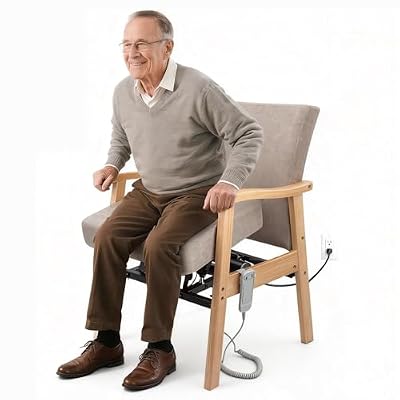
EasyVibe Power Lift Chair for Elderly - Solid Wood Sit to Stand Chair with Reinforced Steel Frame, Electric Upholstered Armchair for Seniors, Office Assist & Compact Dining, 280 lbs Capacity, Beige
Included for 'Best Lift Chair for Seniors with COPD' because the listing specifies Solid Wood Sit to Stand Chair with Reinforced Steel Frame and Electric Upholstered Armchair for Seniors, details this guide uses to compare options.
View on AmazonRecline matters too. Many people with lung disease find lying flat uncomfortable and prefer to rest with the upper body raised. A chair that holds the back at a comfortable incline while the feet are supported can make daytime rest easier. It is not a treatment, and a respiratory therapist or doctor should guide any sleeping arrangements, but it can make daily comfort more manageable.
Key Features to Prioritize
Independent back and footrest control
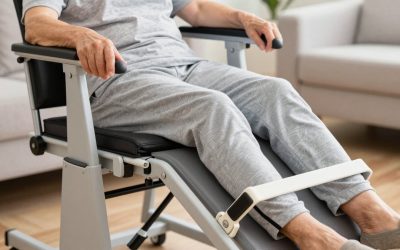
Dual-motor chairs let the backrest stay upright or slightly reclined while the footrest rises. That combination lets someone rest with legs elevated without being pulled into a deep recline that might feel harder for breathing. If this matters, look for chairs described as infinite-position or dual-motor.
Seat height and firmness
A seat that is too low or too plush forces extra effort even with the lift function. Aim for a seat where the user’s feet sit flat and thighs are roughly level. Medium-firm cushions tend to make repositioning easier than deep pillow-top seats.
Room for oxygen equipment
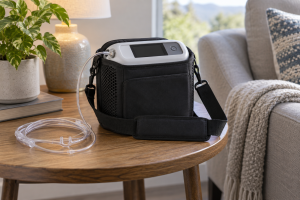
If the user relies on supplemental oxygen, check that tubing can run along the side of the chair without being pinched by the reclining mechanism. Side pockets can hold a small portable concentrator’s accessories, but the concentrator itself should sit on a stable surface nearby with adequate ventilation, following the device maker’s instructions.
Easy controls and battery backup
Large, backlit buttons and a remote that clips to the armrest reduce fumbling. A battery backup lets the chair return upright if the power fails, which is important for anyone who cannot easily push themselves out of a reclined position.
Comparing Chair Types for Breathing Comfort
| Chair type | Typical recline | Upright back with feet up? | Fit for COPD users |
|---|---|---|---|
| 2-position | About 45 degrees | No | Good for sitting and standing; limited resting options |
| 3-position | About 135 to 150 degrees | No | More resting options; back and feet linked |
| Infinite-position, dual motor | Up to near flat | Yes | Most flexible for resting with torso raised |
| Zero-gravity style | Legs raised above heart level | Partly | Comfortable for some; check how it feels for breathing |
Fit by Body Size
Lift chairs usually come in petite, medium, and large or tall sizes. As a rough guide, petite models suit users under about 5 feet 3 inches, medium models suit roughly 5 feet 3 inches to 5 feet 11 inches, and tall models suit users above that. Weight capacities commonly range from about 300 to 375 pounds for standard chairs, with heavy-duty options going higher. Choosing the right size keeps the user from sliding forward, which can compress the chest and make breathing feel harder.
Fabric and Cleaning Considerations
People with respiratory conditions are often sensitive to dust and odors. Tightly woven microfiber or performance fabrics are easier to vacuum than deep-pile upholstery. Faux leather wipes clean quickly but can feel warm. Avoid chairs with strong chemical smells on delivery; letting a new chair air out in a ventilated room for a few days can help.
Safety Tips at Home
- Keep oxygen tubing clear of the chair’s hinges and footrest before operating the remote.
- Place the chair where the user can reach a phone, water, and inhaler without leaning far.
- Leave a clear walking path in front of the chair for when it lifts.
- Keep open flames and heat sources away from oxygen equipment, as advised by the oxygen supplier.
Frequently Asked Questions
Is it safe for someone with COPD to sleep in a lift chair?
Many people with breathing conditions rest or sleep in recliners because a raised upper body feels better. Whether it is appropriate for someone depends on their overall health, so discuss it with their doctor or respiratory therapist before making it a nightly routine.
Do I need a dual-motor chair for COPD?
Not always. A single-motor 3-position chair works well for many users. A dual-motor chair is most useful if the person wants the back fairly upright while their legs are raised, or if they spend long hours in the chair.
Bottom Line
The best lift chair for someone with COPD reduces the effort of standing, lets them rest with the upper body raised, and fits their body properly. Dual-motor designs offer the most control, but a well-fitted 3-position chair can be a strong value. Plan for oxygen tubing, easy controls, and battery backup, and involve the care team in decisions about sleeping positions.
Related Reviews & Guides
Best Bidets for Elderly in 2026: Compared and Ranked
6 Best Compression Socks For Leg Edema 2026