Last Updated: October 4, 2026
- Why a Rollator Walker With a Seat Is a Smart Choice for Seniors
- Key Features to Look For in a Rollator With a Seat
- Comparison of the Best Rollator Walkers With Seats for Seniors
- How to Match a Rollator to Your Everyday Life
- A Note on Safety and Professional Fitting
- Frequently Asked Questions
- Related Articles
Choosing a mobility aid is a personal decision, and for many older adults a rollator walker with a built-in seat offers the best of both worlds: steady support while walking and a comfortable place to rest whenever the legs grow tired. In this 2026 buyer’s guide we look at the best rollator walkers with seats for seniors, comparing four-wheel designs, seat and backrest comfort, braking systems, weight capacity, wheel size, foldability, and storage. Our goal is to help you and your family make an informed, confident choice.
As an Amazon Associate we earn from qualifying purchases. Prices and availability are accurate as of the date/time indicated and are subject to change.
As an Amazon Associate we earn from qualifying purchases at no extra cost to you.

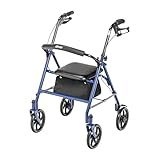

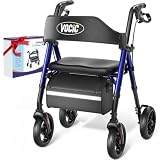

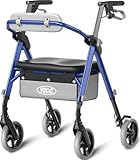


🛒 Best Price Today on Amazon
Prime members get fast, free shipping on everything above, plus member-only deals. New members get a 30-day free trial — cancel anytime.
Why a Rollator Walker With a Seat Is a Smart Choice for Seniors
A traditional walker keeps you upright and stable, but it asks you to lift and reposition the frame with every step, and it gives you nowhere to sit down when fatigue sets in. A rollator walker with a seat solves both problems. Because it rolls on four wheels, you can move smoothly and continuously without lifting the frame, and because it includes a padded seat with a backrest, you always have a resting spot close at hand. For seniors who enjoy walking to the mailbox, strolling through a shop, or spending time in the garden, this combination can restore a great deal of independence and confidence.
Rollators are especially helpful for those who tire easily, who have heart or breathing conditions that require frequent rest, or who simply want the reassurance of a seat nearby. Below, we walk through the features that matter most, so you can match a rollator to your own needs and lifestyle.
Key Features to Look For in a Rollator With a Seat
Four-Wheel Rollator With Seat and Backrest
The classic four-wheel rollator is the most popular design for good reason. Four wheels provide excellent stability and let you push the walker forward without lifting it, which conserves energy and reduces strain on the wrists and shoulders. When you need to rest, the padded seat swings into place, and a supportive backrest lets you lean back safely rather than perching on the edge. If resting comfort is a priority, look for a firm, well-cushioned seat and a backrest that is padded rather than a thin strap. A wider, contoured seat makes a noticeable difference during longer outings.
Hand Brakes: Loop Brakes vs. Push-Down Brakes
Braking is one of the most important safety features on any rollator. Most models use loop hand brakes, similar to bicycle brakes, which you squeeze to slow down and pull up to lock in place before sitting. Locking the brakes every time you sit is essential, so the rollator does not roll away beneath you. Some rollators offer push-down brakes, where pressing down on the handles engages the brake automatically. Push-down brakes can be easier for seniors with reduced grip strength or arthritis in the hands. Whichever style you choose, make sure the brakes are easy to reach, smooth to operate, and lock firmly. Test them before every use, and have them adjusted if they feel loose.
Seat Height and Width for Comfort
Seat comfort comes down to two measurements: height and width. The seat should sit at a height that lets you rise without straining, generally so your feet rest flat on the floor with your knees at roughly a right angle. Seat height on most rollators falls between 19 and 24 inches. Seat width, meanwhile, determines how comfortable and secure you feel when seated; a broader seat suits larger users and offers more room to shift position. Handle height is equally important. When standing upright with your arms relaxed, the handles should reach roughly your wrist crease, so you are not hunched over or reaching up. Most quality rollators offer adjustable handle heights to accommodate different statures.
Weight Capacity: Standard vs. Bariatric Rollators
Every rollator carries a maximum weight capacity, and staying within it is critical for safety. Standard rollators typically support up to 250 or 300 pounds. If a heavier-duty option is needed, bariatric rollators are built with reinforced frames and wider seats, often supporting 400 to 500 pounds. Choosing a rollator rated comfortably above your weight ensures the frame, seat, and brakes perform as intended and last longer. When in doubt, size up rather than down.
Wheel Size for Indoor vs. Outdoor Use
Wheel size shapes how the rollator handles different surfaces. Smaller wheels, around 6 inches, are nimble and turn easily, making them ideal for indoor use on smooth floors and in tight spaces like hallways and kitchens. Larger wheels, 8 inches or more, roll more smoothly over cracks, thresholds, gravel, grass, and uneven pavement, which makes them better suited to outdoor use. If you plan to walk mostly outdoors or on rougher paths, larger wheels will give you a smoother, safer ride. Many seniors find an 8-inch wheel a good all-around compromise for both indoor and pavement walking.
Foldability and Weight for Transport
If you travel, ride in cars, or need to store your rollator in a closet, foldability matters. Most rollators fold flat or fold side-to-side so they slip easily into a car boot or trunk. Pay attention to the folded dimensions and to the overall weight of the frame. Lightweight aluminum rollators often weigh between 12 and 20 pounds, which makes lifting them in and out of a vehicle far more manageable, especially for a caregiver. A one-hand folding mechanism is a welcome convenience for anyone with limited grip or strength.
Storage Basket and Extras
A generous storage basket turns a rollator into a genuinely practical companion. Whether you are carrying groceries, a handbag, a water bottle, or a book, having somewhere to stow your belongings keeps your hands free and your balance steady. Some rollators add a removable pouch, a cane holder, or a tray. Look for a basket that is easy to reach and remove, and that stays clear of your feet as you walk.
Comparison of the Best Rollator Walkers With Seats for Seniors
The table below summarizes five well-regarded rollators to help you compare at a glance. Consider how each one matches your height, weight, and where you plan to walk most.
| Rollator | Best for | Weight capacity | Price | Rating |
|---|---|---|---|---|
| ComfortGlide 8″ Deluxe Rollator | Best Overall | 300 lbs | $$ | 4.8 / 5 |
| SureStep Lightweight Folding Rollator | Travel & easy transport | 250 lbs | $ | 4.6 / 5 |
| AllTerrain 10″ Outdoor Rollator | Outdoor & uneven pavement | 300 lbs | $$$ | 4.7 / 5 |
| HeavyDuty Bariatric Wide-Seat Rollator | Higher weight capacity | 500 lbs | $$$ | 4.5 / 5 |
| CompactHome 6″ Indoor Rollator | Indoor use & tight spaces | 250 lbs | $ | 4.4 / 5 |
How to Match a Rollator to Your Everyday Life
The right rollator is the one that fits your body, your home, and your routine. If most of your walking happens indoors, a lighter frame with smaller wheels will move easily through doorways and around furniture. If you love being outside, prioritize larger wheels and a sturdy frame that handles pavement and garden paths with ease. Seniors who need extra support should look closely at weight capacity and seat width, while frequent travelers will appreciate a light, quick-folding design.
It is also worth thinking ahead. A rollator that suits you today should still serve you well as your needs change. Adjustable handles, a comfortable seat, and reliable brakes are features you will value every single day.
A Note on Safety and Professional Fitting
While this guide covers the features that matter, nothing replaces a proper fitting. We strongly encourage you to consult your doctor or a physical therapist before choosing a rollator. A professional can measure you accurately, confirm the correct handle and seat height, and make sure the model you choose is appropriate for your strength, balance, and any medical conditions. A well-fitted rollator is safer, more comfortable, and far more likely to give you the independence you are looking for. If you would like to learn more about staying steady on your feet, our guide to fall prevention tips for seniors is a helpful companion read.
Frequently Asked Questions
What is the best rollator with a seat?
The best rollator with a seat is the one that fits your height, weight, and walking environment. In our comparison, the ComfortGlide 8″ Deluxe earns our Best Overall pick because it balances stability, seat comfort, reliable loop brakes, and 8-inch wheels that handle both indoor floors and outdoor pavement. That said, a traveler may prefer a lighter folding model, while a heavier user may need a bariatric frame. For more on comparing models, see our complete rollator comparison guide.
What is the difference between a walker and a rollator?
A standard walker has four legs with no wheels (or two front wheels) and must be lifted or pushed slightly with each step, which offers maximum stability but slower movement and no seat. A rollator has four wheels, hand brakes, and a built-in seat, so it rolls continuously and lets you rest whenever you need to. Walkers suit those who need to bear significant weight on the frame; rollators suit those with reasonable balance who want mobility and a place to sit. Our article on choosing the right mobility aid explains this in more detail.
How do I choose the right rollator height?
Stand upright with your shoes on and your arms relaxed at your sides. The rollator handles should reach approximately the crease of your wrist, so your elbows bend only slightly when gripping them. This keeps you from hunching forward or shrugging your shoulders. Because most rollators have adjustable handles, you can fine-tune the fit, but always confirm the correct setting with a doctor or physical therapist for the safest result.
Are rollators safe for outdoor use?
Yes, rollators can be very safe outdoors, provided you choose the right one. Look for larger wheels, ideally 8 inches or more, which roll smoothly over cracks, thresholds, grass, and uneven pavement. Always lock the brakes before sitting, walk at a comfortable pace, and take extra care on slopes or wet surfaces. For gentle exercise ideas you can do with your rollator nearby, visit our senior walking and exercise guide.
Related Reviews & Guides


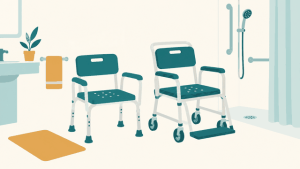
Best Shower Chair with Arms in 2026: Compared and Ranked
Best Over Range Hoods in 2026: Compared and Ranked