Last Updated: October 22, 2026
The best electric toothbrush for braces is a rechargeable model with a small round or compact head, a pressure sensor and soft bristles, such as the Oral-B iO Series 3 or the Philips Sonicare ProtectiveClean with a brush head made for orthodontics. Many older adults wear braces or clear aligners too, and the same rules apply: clean around every bracket and wire, and never scrub hard.
Braces trap food in dozens of small spaces, so brushing takes longer than usual. An electric brush with a timer helps you cover every surface, and the right head makes the difference between plaque left behind and a clean mouth.

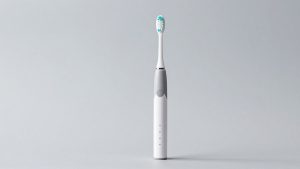
Oral-B Pro 1000 Rechargeable Electric Toothbrush, Black
Included for 'Best Electric Toothbrush for Braces: Ortho-Friendly 2026' because the listing specifies Black, details this guide uses to compare options.
View on Amazon
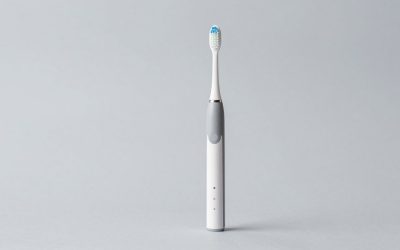
Oral-B Rechargeable Electric Toothbrush, iO Limited Simple Clean, 3 Cleaning Modes, Automatic Pressure Sensor to Protect Gums, Travel Case, White
Included for 'Best Electric Toothbrush for Braces: Ortho-Friendly 2026' because the listing specifies iO Limited Simple Clean and 3 Cleaning Modes, details this guide uses to compare options.
View on Amazon
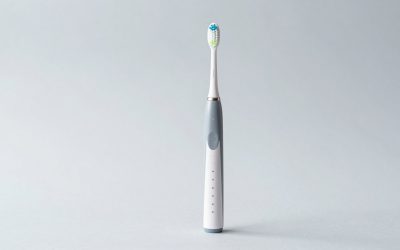
Oral-B Rechargeable Electric Toothbrush, iO5 Limited Deep Clean & Whiten, 5 Cleaning Modes, Visual Pressure Sensor to Protect Gums, Travel Case, 3 Brush Heads, Black
Included for 'Best Electric Toothbrush for Braces: Ortho-Friendly 2026' because the listing specifies iO5 Limited Deep Clean & Whiten and 5 Cleaning Modes, details this guide uses to compare options.
View on Amazon
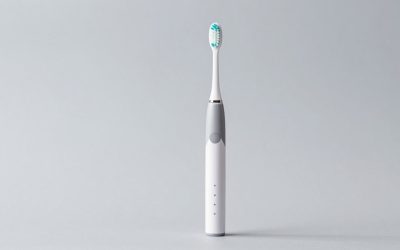
Oral-B Rechargeable Electric Toothbrush, iO3 Limited Deep Clean, 3 Cleaning Modes, Visual Pressure Sensor to Protect Gums, 2 Brush Heads, Travel Case, ICY Blue
Included for 'Best Electric Toothbrush for Braces: Ortho-Friendly 2026' because the listing specifies iO3 Limited Deep Clean and 3 Cleaning Modes, details this guide uses to compare options.
View on AmazonWhat to look for with braces
An orthodontic or compact head
Choose a compact head with soft bristles from the same maker as your handle, and ask your orthodontist which style they prefer. Some recommend a V-shaped orthodontic head with bristles that dip around the brackets, while others like a small round head that can be placed on one bracket at a time.
Soft bristles and pressure control
Brackets are glued to teeth, and heavy pressure can loosen them or bend wires. A pressure sensor that stops you before it happens is worth having.
A strong timer
Plan on at least two minutes, and add extra time on days you feel food stuck in the wires. A 30-second quadrant prompt makes it hard to rush.
Water flosser compatibility
A toothbrush alone does not clean beneath wires. Many orthodontists pair a brush with a water flosser or small interdental brushes.
Choices that fit most braces wearers
Oral-B iO Series 3: best round-head option
The round head helps you work one bracket at a time, with a pressure sensor and a gentle mode. A mid-range purchase.
Philips Sonicare ProtectiveClean: best sonic option
Sonic bristle movement helps dislodge plaque from tight spots. Choose a compact or orthodontic compatible head and the lower intensity until you adapt.
Philips Sonicare 4100: best simple budget option
Offers sonic action, a timer and a pressure sensor at a lower price. Good for those who want to keep things basic.
Oral-B iO Series 5 or higher: best for tracking coverage
The display helps you confirm that every zone has been cleaned, which is useful when brackets hide leftover food.
Waterpik Aquarius or similar water flosser: best companion tool
Not a toothbrush, but frequently recommended with one. It flushes food from under wires and between teeth.
Cleaning routine, step by step
| Step | What to do | Approximate time |
|---|---|---|
| 1. Rinse | Swish water to loosen food | 20 seconds |
| 2. Angle above brackets | Tilt bristles down toward the gum line along the top of the bracket | 30 seconds per arch half |
| 3. Angle below brackets | Tilt bristles up toward the lower edge | 30 seconds per arch half |
| 4. Chewing surfaces and tongue side | Hold the brush flat on each tooth | 30 seconds |
| 5. Water flosser or interdental brush | Trace along the wire and between teeth | 1 to 2 minutes |
| 6. Final check | Look in the mirror for food around brackets | 30 seconds |
Compare the picks
| Model | Motion | Head shape | Pressure sensor | Price tier |
|---|---|---|---|---|
| Oral-B iO Series 3 | Oscillating-rotating | Round | Yes | Mid-range |
| Sonicare ProtectiveClean | Sonic | Oval, compact options | Yes | Mid-range |
| Sonicare 4100 | Sonic | Oval | Yes | Budget |
| Oral-B iO Series 5+ | Oscillating-rotating | Round | Yes, visual | Upper mid |
Common mistakes with braces
- Brushing only the outside of the teeth and skipping the gap between bracket and gum.
- Using a worn head. Braces wear bristles down faster, so replace heads every two months or sooner.
- Skipping flossing because the wire gets in the way. Threaders and water flossers solve that.
- Eating sticky or hard foods that bend wires, even after brushing.
- Ignoring white marks near the gum line, which can signal early enamel damage. Mention these to your orthodontist.
Frequently asked questions
Can I use an electric toothbrush with braces?
Yes. Most orthodontists approve it, as long as you use light pressure and a suitable head.
Is Oral-B or Sonicare better for braces?
Either can work. Round Oral-B heads suit working bracket by bracket, while Sonicare’s sonic action is a favorite for gentler cleaning.
Do I still need to floss?
Yes. A toothbrush cannot clean under the wire or between the teeth.
Should adults with braces change anything?
Adults often have gum recession or restorations, so a soft head and a pressure sensor matter even more.
Which one should you choose?
Choose the Oral-B iO Series 3 if you prefer a round head, or the Sonicare ProtectiveClean for a sonic feel with extra modes. Pair either one with a water flosser, and confirm the head with your orthodontist at your next adjustment.
Related Reviews & Guides
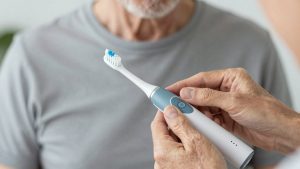
Best Electric Toothbrush for Sensitive Gums in 2026
Dentist-Recommended Electric Toothbrushes: 5 Picks for 2026