Last Updated: September 7, 2026
Introduction
Presbyopia, the gradual loss of near-focus ability that begins in the mid-40s and continues through the senior years, makes reading glasses one of the most universally needed accessories for older adults. With hundreds of options available—from basic drugstore readers to premium anti-reflective lens styles—choosing the right pair means matching magnification strength to your specific vision needs while prioritizing comfort, durability, and style for everyday wear.
Key Features to Look For
- Safety: Proper magnification strength is critical; wearing the wrong strength can cause eye strain, headaches, and further vision fatigue. If you are unsure of your reading prescription, a basic eye exam from an optometrist provides accurate diopter recommendations beyond the approximate self-test available at drugstores.
- Ease of Use: Spring-hinge frames flex to accommodate a wider range of head sizes, reducing pressure behind the ears. Lightweight frames under 1 oz are comfortable during extended reading sessions and are less likely to cause bridge of nose soreness.
- Comfort: Anti-reflective and anti-blue light lens coatings reduce digital eye strain for seniors who use tablets, computers, or e-readers. Rectangular or round lens shapes with full-coverage frames provide a wider reading field than narrow lens designs.
Top Picks for Seniors
Foster Grant Reading Glasses (Multi-Pack)
Foster Grant is one of the most recognized names in reading glasses, offering consistent optical quality at accessible prices. Their multi-pack sets allow seniors to place a pair in every room of the house, eliminating the frustrating search for misplaced glasses. Available in magnification strengths from +1.00 to +4.00, spring-hinge frames, and dozens of classic frame styles. Scratch-resistant lenses and durable frames make each pair long-lasting for the price.
As an Amazon Associate we earn from qualifying purchases at no extra cost to you.


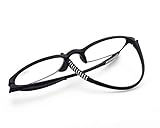


Peepers by PeeperSpecs Blue Light Glasses
Peepers by PeeperSpecs offers stylish, high-quality reading glasses with built-in blue light filtering for seniors who spend significant time reading on digital screens. The fashion-forward frames are available in a wide range of magnification strengths and frame colors, making them one of the most stylish options in the reading glasses category. Lightweight polycarbonate frames and scratch-resistant lenses provide durability with a fashionable look that seniors can feel good wearing in public.
ICU Eyewear Magnivision Large Frame Reading Glasses
ICU Eyewear's Magnivision collection features extra-large lens areas ideal for seniors who need a wider field of view during reading. The oversized lens coverage reduces the need to look over the frame bottom during tasks that combine reading and looking up, such as cooking from a recipe or reviewing a bill. Spring-hinge temples accommodate larger head sizes comfortably, and the wide selection of magnification strengths from +1.00 to +3.50 covers most presbyopia needs.
What to Look for in Reading Glasses for Seniors
The right pair of reading glasses makes books, labels, and screens comfortable to read again, so getting a few details right goes a long way. Magnification strength, often shown as a plus number, should match the person’s reading needs, and using a strength that is too strong or too weak causes eye strain and headaches. For those new to readers, trying a few strengths to see which keeps text sharp at a comfortable distance helps, though an eye exam is the most reliable way to find the right power. Clear, distortion-free lenses keep print crisp across the whole field of view.
Comfort and durability decide whether the glasses get worn. A lightweight frame that fits well, without pinching the nose or sliding down, is more pleasant for all-day reading, and adjustable or spring hinges add comfort and resilience. Larger lenses give a wider reading area, while a sturdy, well-made frame holds up to daily handling. Anti-reflective or scratch-resistant lens coatings can reduce glare and prolong the lenses’ life. Keeping a couple of pairs in often-used spots, like beside a favorite chair and in the kitchen, means a senior is never hunting for readers. Matching the strength, fit, and lens quality to the individual makes reading far more enjoyable.
Using Reading Glasses Comfortably and When to See an Eye Doctor
Reading glasses work best in the right conditions and with a little care. Use them in good, even lighting that avoids glare, and hold reading material at a comfortable distance, adjusting it until the text is sharp rather than squinting. Take breaks during long reading sessions to rest the eyes, which reduces fatigue. Keep the lenses clean with a soft cloth, since smudges blur the view and tempt a person to choose a stronger magnification than they actually need, and store the glasses in a case to protect them from scratches.
It is important to remember that over-the-counter reading glasses are a convenience aid, not a substitute for professional eye care. They provide the same magnification across the whole lens and are not tailored to each eye or to conditions like astigmatism, so they do not suit everyone. If reading is becoming harder, vision changes, or there is blur, glare, distortion, double vision, headaches, or loss of clarity, an eye doctor should examine the eyes, since these can signal conditions that need treatment. Regular eye exams ensure the right prescription, catch problems like cataracts or glaucoma early, and let an eye care professional recommend the best glasses or low-vision aids for the individual.
Related Guides
- Downsizing for Seniors: A Step-by-Step Decluttering Guide
- Best Easy-Grip Kitchen Tools for Elderly & Arthritic Hands
- Best Orthofeet Shoes for Seniors with Wide Feet
- Quick Picks: Best Large Display Digital Alarm Clocks for…
Frequently Asked Questions
How do I choose the right strength of reading glasses?
Magnification is shown as a plus number, and the right strength keeps text sharp at a comfortable distance without strain or headaches. Trying a few strengths helps, but an eye exam is the most reliable way to find the correct power.
Are over-the-counter reading glasses as good as prescription ones?
Over-the-counter readers offer the same magnification across the lens and are not tailored to each eye or to conditions like astigmatism, so they do not suit everyone. Prescription glasses can correct more complex vision needs.
How many pairs of reading glasses should I keep?
Many people keep a couple of pairs in frequently used spots, such as beside a favorite chair and in the kitchen, so readers are always within reach. It is a simple way to avoid constantly searching for them.
When should I see an eye doctor instead of using readers?
If reading gets harder, or you notice blur, glare, distortion, double vision, headaches, or loss of clarity, see an eye doctor. Regular exams ensure the right prescription and catch conditions like cataracts or glaucoma early.
Final Thoughts
Reading glasses are a simple, effective solution for age-related near vision changes, but they should complement—not replace—regular comprehensive eye exams. Seniors should have their eyes examined by an optometrist or ophthalmologist at least every one to two years to monitor for conditions such as glaucoma, macular degeneration, and cataracts that require professional treatment beyond reading glasses.
Related Reviews & Guides




Senior Reach Extender Grabber 36 Inch

10 Best Hearing Aids for Seniors: Top OTC & Prescription Picks