Last Updated: November 14, 2026
- Start With the Daily Routine, Not the Catalog
- Bathroom Safety Products
- Mobility, Stairs, and Entry Solutions
- Lighting, Visibility, and Floors
- Kitchen, Bedroom, and Daily Living Aids
- Safety Monitoring and Smart Home Tools
- Involving Family and Professionals
- Common Buying Mistakes
- Budget Tiers and Final Checklist
- Related guides
- Frequently Asked Questions
The best aging in place products are the ones that solve a specific, observed problem in the home, such as a slippery tub, a dim hallway, or a staircase that has become tiring. Buying a long list of gadgets rarely works. Choosing a small number of well-matched items, installed correctly, does far more to keep an older adult safe, independent, and comfortable in a familiar house.
This guide explains how to identify which problems deserve attention first, the main product categories and who each serves, the specifications that matter, and the mistakes that waste money. It offers general information and is not medical advice. An occupational therapist or physician can give personalized guidance for specific health conditions.
Start With the Daily Routine, Not the Catalog
Safe homes are built around how a person actually moves through a day. Walk the route from bed to bathroom, bathroom to kitchen, kitchen to the front door, and note where balance, strength, vision, or reach cause trouble. Falls often happen at night, on stairs, in bathrooms, and on thresholds, so these zones usually earn priority.
Questions Worth Asking
- Which tasks cause hesitation, fatigue, or a need to hold onto furniture?
- Where have near-misses or slips already happened?
- Is vision, grip strength, or memory changing, and how will that evolve?
- Will a caregiver or family member share the space?
Plan for Change
Needs shift over time. Products that adapt, such as adjustable-height seating or grab bars installed with solid backing, serve a person longer than items that fit only the current moment. Considering the next several years helps avoid repeat purchases.
Bathroom Safety Products
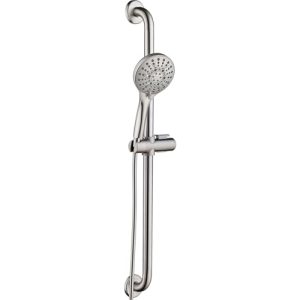
Bathrooms combine hard surfaces, water, and awkward movements, which makes them the highest-risk room for many older adults. Common solutions include grab bars, shower chairs or benches, handheld shower heads, raised toilet seats, and non-slip surfaces.
Grab Bars
True grab bars are anchored into wall studs or solid blocking and designed to hold body weight. Typical bar diameter falls between about 1.25 and 1.5 inches, which most hands can grip comfortably. Common guidance places horizontal bars roughly 33 to 36 inches above the floor. Suction-cup bars are not a substitute for anchored bars when real support is needed. Textured or knurled surfaces improve grip when wet.
Seating and Mats
Shower chairs and transfer benches let a person sit while bathing. Look for adjustable legs, rubber tips, a stable seat that drains water, and a weight capacity that exceeds the user’s weight with room to spare. Non-slip strips or mats should be backed by a grippy base and cleaned regularly so mildew does not make them slick.
Mobility, Stairs, and Entry Solutions
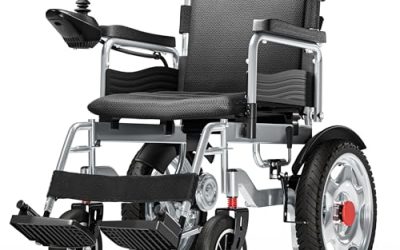
Entering and leaving the home safely matters for independence. Options include sturdy handrails on both sides of stairs, ramps, stair lifts, and threshold ramps for small steps.
Handrails and Ramps
Continuous handrails that extend slightly past the top and bottom steps give extra stability. For ramps, a gentle slope is vital: a common accessibility guideline is one inch of rise for every twelve inches of run. Steeper ramps are difficult for wheelchair users and walkers alike. Surfaces should be slip-resistant even when wet, and landings should be large enough to rest or turn.
Stair Lifts and Alternatives
Stair lifts carry a seated rider along a rail. They suit straight or curved staircases and can be installed professionally in many homes. Key points include weight capacity, battery backup for power outages, swivel seats, and folding rails to keep stairs usable by others. For homes where stairs are used only occasionally, relocating a bedroom to the main floor may be a more economical choice.
Doorways and Hardware
Lever-style door handles are easier than round knobs for stiff or arthritic hands. A clear door opening of about 32 inches helps walkers and wheelchairs pass, and offset hinges can add a few inches without rebuilding the frame.
Lighting, Visibility, and Floors
Vision changes with age, and shadows or glare can hide hazards. Adding light is one of the most affordable improvements. Motion-activated night lights along the path from bed to bathroom reduce risky stumbles. Bright, even lighting on stairs and at entrances helps, and light switches with large, easy-to-find rockers or glow indicators are helpful.
Flooring deserves similar care. Loose rugs are a leading trip hazard and are best removed or secured with non-slip backing. Smooth transitions between rooms reduce toe-catching. Where flooring must be replaced, textured or slip-resistant finishes are preferable to glossy surfaces. Contrasting color strips on stair edges help depth perception.
Kitchen, Bedroom, and Daily Living Aids
In the kitchen, frequently used items belong between waist and shoulder height so reaching and bending are minimized. Pull-out shelves, lazy susans, and lightweight cookware reduce strain. Reachers, jar openers, and easy-grip utensils help with limited hand strength. Stove safety devices that shut off power if a burner is left on can protect memory-challenged residents.
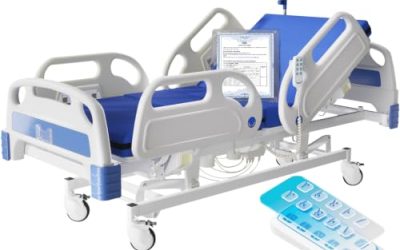
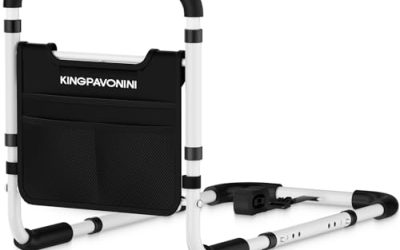
In the bedroom, bed rails or assist handles can make getting up easier, provided they are designed for that purpose and fitted correctly to avoid entrapment. Adjustable beds, supportive chairs with firm seats and armrests, and lift-assist cushions help when standing is difficult. A phone or alert button within reach of the bed matters for emergencies.
Safety Monitoring and Smart Home Tools
Personal emergency response systems use a wearable button, and some include fall detection and a speaker that connects to a monitoring service. Verify battery life, range within and outside the house, and whether a monthly subscription is required. Smart plugs, video doorbells, and voice assistants can add convenience and reassurance, but they work best when the person using them finds them simple. A device that is confusing is a device that will be ignored.
For those with cognitive changes, door sensors, medication reminders, and automatic lighting can ease routines. Involving the person in choosing and learning the device improves acceptance.
Involving Family and Professionals
Home changes go more smoothly when the older adult, family members, and professionals share the planning. An occupational therapist can observe real movements and suggest equipment that matches strength and balance. A contractor experienced in accessibility work can judge wall structure, stair geometry, and electrical needs. Family members can help with installation, learning new devices, and checking on how well products are used in practice.
Respecting preferences matters. A product that feels clinical or intrusive may be ignored, so choose styles that blend into the home, such as grab bars with attractive finishes or lighting that looks like ordinary fixtures. The goal is to support independence and dignity, not to turn a home into a care facility.
Common Buying Mistakes
- Installing grab bars into drywall without anchors or studs.
- Buying equipment without measuring doorways, tubs, or stairs.
- Choosing items the person dislikes or considers stigmatizing, then leaving them unused.
- Skipping professional installation on ramps, lifts, or electrical work.
- Ignoring weight ratings, which must exceed the user’s weight with margin.
- Treating one product as a cure-all rather than layering several simple fixes.
Budget Tiers and Final Checklist
Budget items such as night lights, non-slip strips, and lever handles carry a modest cost and deliver quick benefit. Mid-range investments include properly installed grab bars, quality shower seating, and better lighting. Premium projects such as stair lifts, curbless showers, and widened doorways cost more and typically require contractors, but they can extend years of independent living. Some programs, insurers, or local agencies offer assistance, so asking about available support is worthwhile.
- Walk the home and list real trouble spots.
- Prioritize bathrooms, stairs, entries, and lighting.
- Confirm weight capacities, dimensions, and installation needs.
- Involve the person who will use the products.
- Consider an occupational therapist’s home assessment for complex needs.
Related guides
Frequently Asked Questions
What is the most important first step in aging in place?
A walk-through of the home to spot hazards in the bathroom, stairs, entries, and bedroom is the best starting point. Simple changes such as better lighting, removing loose rugs, and adding secure grab bars often make the biggest difference. A professional assessment can add detail for specific health needs.
Are suction-cup grab bars safe?
They can offer a little steadiness for balance but are not designed to bear body weight, and they can release without warning. Bars anchored into studs or solid blocking are the dependable choice for real support. Suction models should be checked often and never used as a pulling handle.
Do aging in place products replace professional care?
No. Products reduce hazards and make daily tasks easier, but they do not substitute for medical care, therapy, or caregiving when those are needed. They work best as part of a broader plan that includes health check-ups and family support.
How can costs be kept manageable?
Start with low-cost changes in the highest-risk areas and add larger projects over time. Ask local aging agencies, insurers, or community groups about assistance programs, and compare professional installation quotes for bigger items. Buying durable, adjustable products also avoids repeat purchases as needs change.
Related Reviews & Guides

Best Exercise Bikes for Seniors 2026: 7 Top Picks
7 Best All Terrain Wheelchairs (November 2026)