Last Updated: November 14, 2026
A bath safety kit bundles several items that reduce slips and make bathing easier, but the value of a bundle depends entirely on whether its contents match the person and the bathroom. A kit built for a standing shower does little for someone using a deep tub, and a shower seat that is the wrong height creates a new hazard. Matching the pieces to the fixture, the user’s strength, and the available space is the key to a good purchase.
This guide explains what typically comes in a kit, how to judge each component, and which mistakes cause the most regret. It offers general information, not medical advice. A physician or occupational therapist can advise on specific needs after an assessment.
What a Bath Safety Kit Usually Includes
Kits range from a few basic pieces to a full set that covers the tub, shower, and toilet. Typical contents include a seat or bench, a grab bar or tub rail, a non-slip mat or strips, a handheld shower head, and a long-handled sponge. Larger sets may add a raised toilet seat, a toilet safety frame, and a shower caddy that keeps supplies within reach.
Why Bundles Can Help
Buying a kit can simplify shopping, ensure parts work together, and sometimes cost less than buying every piece separately. It also helps caregivers build a complete plan instead of tackling one problem at a time.
When Individual Pieces Are Better
If only one hazard exists, such as a slippery tub floor, a single targeted product may be smarter than a bundle with items that go unused. Check contents carefully rather than assuming more pieces mean more value.
Start With the Bathroom Layout
Before comparing kits, measure and observe. Is the bathing area a tub with a high wall, a walk-in shower, or a combined tub and shower? What is the interior width of the tub, the thickness of the tub wall, and the clearance around the toilet? Where are the wall studs, and what material covers the walls?
Tub Users
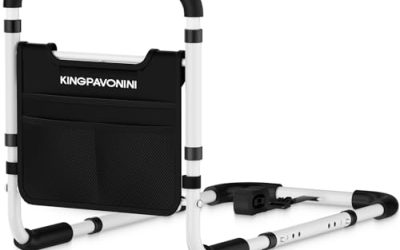
People who step over a tub wall face the greatest challenge. A tub transfer bench extends across the tub wall so the user sits outside, slides across, and bathes seated. A clamp-on tub rail gives something to hold while stepping in and out. Measure the tub wall thickness since clamps are designed for a limited range.
Shower Users
For a walk-in or curbless shower, a shower chair or fold-down bench, a wall-mounted grab bar, and a handheld shower head form the core. Space limits often decide between a freestanding chair and a wall-mounted fold-up seat.
Evaluating Key Components
Seats and Benches
Look for a stable base with rubber-capped legs, a drainage pattern in the seat, and a design that does not tip when leaning. Adjustable legs allow the seat height to be set so that feet rest flat and knees sit near a right angle. Backrests and armrests add support but take up room. Standard models carry weights that typically range in the hundreds of pounds, while bariatric designs are rated for more. Always choose a rating comfortably above the user’s weight.
Grab Bars and Tub Rails
Wall-mounted bars anchored into studs or solid backing provide the most reliable support. Clamp-on tub rails attach to the tub wall and help with entry and exit. Suction-cup bars are meant for light balance assistance only and should not be trusted for pulling or bearing weight. Check the diameter for comfortable gripping, a textured surface for wet hands, and corrosion-resistant materials such as stainless steel or coated metal.
Non-Slip Surfaces
Mats should have strong suction cups or a gripping underside and drainage holes so water and soap do not trap beneath them. Adhesive strips work well on smooth tub floors but need proper surface prep. All non-slip items require regular cleaning to prevent mildew and soap film, which reduces traction.
Handheld Showers and Reach Tools
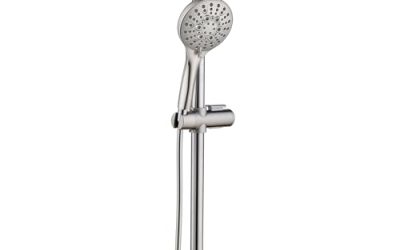
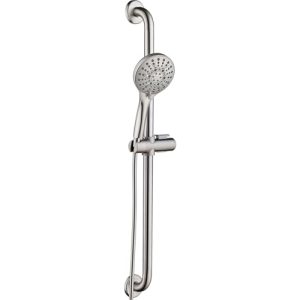
A handheld shower head on a slide bar lets a seated person direct water without twisting. Long-handled sponges and reachers reduce bending. A shower caddy mounted within easy reach keeps soap and shampoo from becoming a reason to stand and stretch.
Specifications Worth Comparing
- Weight capacity: Choose a rating well above the user’s weight, and confirm it applies to the exact configuration being purchased.
- Adjustability: Height, width, and angle settings help the kit fit different users and fixtures.
- Material and corrosion resistance: Aluminum with a durable finish, stainless steel, or high-quality plastics resist moisture better than untreated metal.
- Assembly: Tool-free assembly is convenient, but each connection must lock firmly, and the final product should be checked for wobble before use.
- Cleanability: Smooth surfaces and removable parts are easier to keep free of mildew.
- Size and storage: Foldable or compact designs fit small bathrooms and can be stored when guests visit.
Installation and Safe Use
Even the best product fails if installed carelessly. Grab bars must go into studs or proper anchors designed for the wall type, which is especially important with tile. If studs cannot be reached, a professional may add blocking or choose a different anchoring system. Seats and benches should be placed on a flat, dry area and checked for stability by gently pushing on it before the first use, with a helper nearby.
Bathing routines benefit from a short rehearsal. Practice sitting, standing, and reaching for each item while dry, so any awkward angle or out-of-reach shelf shows up before water and soap are involved. Adjust seat height, the handheld shower holder, and the caddy until every motion feels natural and requires no stretching or twisting. Caregivers who assist should also practice, since a comfortable position for the helper reduces strain for both people.
Water temperature also deserves attention. A seated person who cannot quickly step away from hot water faces a burn risk, so setting the water heater to a safe temperature and using anti-scald devices can add protection. Adequate lighting, a nearby towel within reach, and a phone or alert button in or near the bathroom round out the setup.
Common Mistakes
- Choosing a kit without measuring the tub width or wall thickness.
- Relying on suction-cup devices for weight-bearing support.
- Ignoring weight ratings or assuming all pieces have the same capacity.
- Skipping a trial run with a caregiver before the first real bath.
- Leaving loose bath rugs outside the tub that create their own trip hazard.
- Failing to clean non-slip surfaces, which reduces their grip over time.
Budget Tiers and Final Checklist
Budget kits focus on basic seating, mats, and simple rails. Mid-range kits improve materials, adjustability, and comfort, often with better backrests and sturdier clamps. Premium sets may include heavy-duty construction, wall-mounted fold-down seats, higher weight capacities, and professionally installed hardware. Spending more makes the most sense on the components that bear weight.
- Measure the tub or shower and note wall type and stud positions.
- Choose seating style based on whether the user steps over a tub wall.
- Check weight capacity, adjustability, and non-slip features.
- Confirm installation requirements and whether a professional is needed.
- Test everything with a helper present before real use.
Related guides
Frequently Asked Questions
What should a basic bath safety kit include?
A practical starter kit includes a stable seat or bench, a secure grab bar or tub rail, and a non-slip mat or strips. A handheld shower head and long-handled sponge add comfort and reduce bending. Individual needs can call for more pieces, such as a raised toilet seat.
Is a shower chair or a transfer bench better for a tub?
A transfer bench is usually safer for deep tubs because it lets the user sit outside the tub and slide over the wall. A shower chair sits entirely inside the tub, which requires stepping over the wall first. The right choice depends on balance, strength, and tub design.
Can grab bars be installed on tile?
Yes, but they must be anchored into studs or solid backing, using the right drill bit and sealant to protect against moisture. Drilling into tile without proper technique can crack it. A professional installer can handle this safely when unsure.
How often should bath safety equipment be checked?
A quick inspection every few weeks helps catch loose fittings, worn rubber tips, cracks, or rust. Tighten hardware as needed and replace any worn parts promptly. Equipment showing structural damage should be retired rather than repaired.
Related Reviews & Guides



Best Trekking Poles for Seniors 2026: 7 Top Picks
8 Best Adjustable Shower Heads for Seniors (November 2026)