Last Updated: October 22, 2026
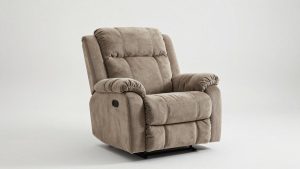
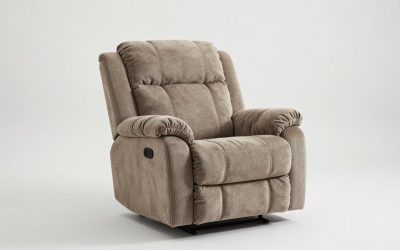
The best armchairs for back support have a seat height of about 18 to 20 inches, a firm seat, a backrest at least 35 inches tall, and a gentle curve at the lower back, and good starting points are the mopio Arthur recliner for a tall back, the CANMOV manual recliner for deep recline, the CHITA Elvin swivel recliner for a double-layer back, and the Watson and Whitely power recliner for adjustable neck and lumbar support. For older adults, easy rising matters as much as comfort, so firm cushions and sturdy arms beat plush, sink-in seats.
Measurements That Decide Back Comfort
Most “back pain” in an armchair comes from three mismatches: a seat that is too deep, a seat that is too low, and a backrest that does not reach the lumbar curve. Use these figures as a checklist.

Lumbar Support Pillow for Office Chair, Office Home Essentials,Gifts for Mom,Dad, Back Support Pillow for Car, Chair Cushions,Back Pain Relief Improve Posture,Mesh Cover Double Adjustable Straps
Included for 'Best Armchairs for Back Support: 5 Picks for 2026' because the listing specifies Office Home Essentials and Gifts for Mom, details this guide uses to compare options.
View on Amazon
SAIREIDER Seat Cushion and Lumbar Support Pillow for Office Chair, Memory Foam Car Seat Cushions Back Support Pillows, Help Relieve Pain of Back, Lumbar, Tailbone and Sciatic Nerve(Black)
Included for 'Best Armchairs for Back Support: 5 Picks for 2026' because the listing specifies Memory Foam Car Seat Cushions Back Support Pillows and Help Relieve Pain of Back, details this guide uses to compare options.
View on Amazon
TANYOO Recliner Lumbar Support Pillow Adjustable Head Lumbar Support Pillow | 3-Piece Back Support Pillow for Recliners, Couches, Armchairs & Office Chairs, Offering Personalized Comfort for Elderly
Included for 'Best Armchairs for Back Support: 5 Picks for 2026' because the listing specifies 3-Piece Back Support Pillow for Recliners and Couches, details this guide uses to compare options.
View on Amazon
CloudBliss Lumbar Support Pillow, Memory Foam for Office Chair, Black | Ergonomic Premium Memory Foam, Adjustable Straps, Washable Mesh Cover, Lower Back Support for Office, Gaming & Car
Included for 'Best Armchairs for Back Support: 5 Picks for 2026' because the listing specifies Memory Foam for Office Chair and Black, details this guide uses to compare options.
View on Amazon| Measurement | Target range | Why it matters |
|---|---|---|
| Seat height (floor to seat top) | 18 to 20 inches | Lets knees sit near 90 degrees and makes standing easier |
| Seat depth | 19 to 21 inches | A shorter person needs a shallower seat to keep their back against the rest |
| Backrest height | 35 to 42 inches | Supports the spine and shoulders |
| Armrest height above seat | 7 to 10 inches | Gives a firm push-off point |
| Lumbar curve position | About 6 to 9 inches above the seat | Fits the natural curve of the lower back |
| Weight capacity | At least 300 lb, higher if needed | Signals frame strength |
If you are under 5 feet 6 inches, a fixed lumbar bump can sit too high. Try a pillow or a chair with an adjustable back.
Five Picks for Different Backs
mopio Arthur Recliner: Best for a Tall, Supportive Back
A recliner with a backrest of about 41.7 inches that supports the spine up to the neck, and three fixed positions at about 105, 120 and 140 degrees. A tall back suits taller sitters and those who rest their head while reading or watching television. The fixed positions are simple, though they offer less fine-tuning than a power model.
CANMOV Manual Recliner: Best for Deep Recline
This manual recliner reaches about 145 degrees, among the deepest in its class. A deeper angle takes some load off the lower back and suits afternoon rests. Manual levers need some arm strength, which may be tiring for arthritis in the hands.
CHITA Elvin Swivel Recliner: Best for Firm, Structured Support
A mid-century look with a double-layer foam back that combines a firm base with a softer layer on top. The swivel helps you turn without twisting your spine, which is easier on the back than rotating in a fixed seat. Check the swivel base for stability if you have balance concerns.
Watson and Whitely Power Recliner: Best for Adjustable Support
A power recliner with a dual-motor headrest and backrest, giving independent control over neck and lumbar positioning. This is the best option for those who need to fine-tune the angle through the day. Power models need an outlet nearby and a cord path that does not cross a walkway.
Weture Mid-Century Accent Chair: Best Non-Recliner Choice
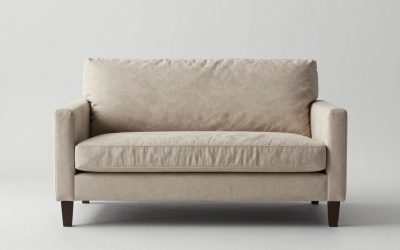
A fixed-back accent armchair rated for up to 350 pounds. It suits those who want a neat, upright seat for reading and conversation rather than a reclining mechanism. The upright position keeps the hips and knees near 90 degrees, but you give up the footrest.
Recliner or Upright Armchair?
| Type | Back benefit | Trade-off | Best if |
|---|---|---|---|
| Manual recliner | Variable angle, no electricity | Needs lever strength | Hands are strong |
| Power recliner | Fine adjustment, easy button use | Needs an outlet, higher price tier | Arthritis or weak arms |
| Swivel recliner | Easy turns without twisting | Base can feel less planted | Limited neck mobility |
| Upright accent chair | Keeps a neutral spine | No leg support or recline | You sit for short periods |
Cushion and Frame Details
Foam density decides how well a seat holds up. A density of about 1.8 pounds per cubic foot or higher is a common sign of better foam, though many listings do not publish it. Firm seats keep the hips from sinking below the knees, which strains the lower back. Frames made of kiln-dried hardwood or plywood last longer than particleboard. Check that the manufacturer lists the frame material and warranty.
Fit in the Room
A standard recliner can need 18 to 22 inches of space behind it to open fully, while wall-hugger models need much less. A chair about 30 to 36 inches wide fits beside a side table in a 10 by 12 foot room, leaving a 30-inch walking path. Also measure doorways: many chairs ship in a box 30 to 36 inches wide and weigh 70 to 110 pounds, so plan for two people to move them.
Features to Look For
- Firm seat edge. Easier to push off from.
- Smooth, rounded arms. Better for pressing up with your hands.
- Removable lumbar or headrest pillow. Lets you adjust for your height.
- Non-slip feet. Prevents the chair from shifting when you stand.
- Easy-clean upholstery. Performance fabric or faux leather helps in homes with pets.
Frequently Asked Questions
Is a recliner good for lower back pain?
It can be, since a reclined angle reduces spinal load. Choose a model with lumbar contour and avoid sinking deeply.
How long should I sit in one position?
Aim to change position or stand about every 30 to 45 minutes.
What if the chair is too deep for me?
Add a firm back cushion so your hips sit back against the rest and your knees clear the seat edge.
Bottom Line
Choose the mopio Arthur if you want a tall back, the Watson and Whitely if you need adjustable lumbar and neck support, and the CHITA Elvin for a swivel with firm layers. Measure seat height and depth before you buy, and prefer firm over plush.
Related Reviews & Guides
Best End-of-Bed Storage Benches: 6 Picks for 2026
Best Non-Slip Covers for Leather Recliners: 5 Picks 2026