Our Short List of 3
All 3 Picks at a Glance
| Product | Specs | Action |
|---|---|---|
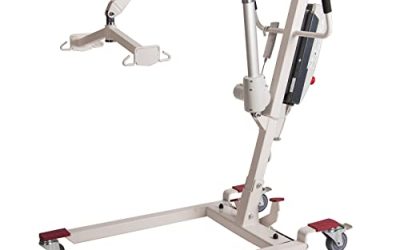
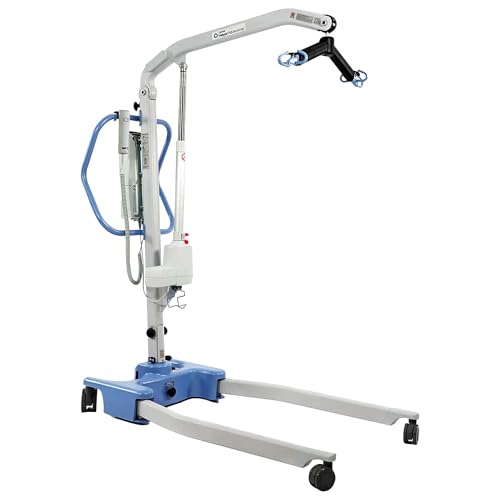 1. Joerns Hoyer Advance Portable Patient Lift, Electric Power | Check price on Amazon | |
 2. Invacare Reliant 450 Battery-Powered Patient Lift | Check price on Amazon | |
 3. VOCIC Electric Patient Lift for Home, AY05 | Check price on Amazon |
Last Updated: November 23, 2026
A care room with limited floor space makes every transfer harder. A bed, a chair, a commode, and a small table can leave only a narrow path for a caregiver and a lift. A large floor lift with a wide base may not fit between the bed and the wall, or it may block the doorway when it is parked. The best portable patient lifts for limited floor space care rooms are designed to fold, to narrow their base, and to slide under a bed or a chair without taking over the room.
Portable in this context means more than light weight. It means a lift that can be folded for storage, moved from one room to another, and set up quickly for a transfer. It also means a base that opens wide for stability during a lift and closes narrow for moving through a doorway. Electric controls help, because a caregiver can raise and lower the person with a handset rather than pumping a hydraulic handle in a tight space.
This guide covers what to check when floor space is limited, three portable lifts that suit small care rooms in different ways, and a comparison to help you match a lift to the room, the user, and the caregiver team. Always have the care team assess the person, the sling size, and the transfer technique before using a lift, and follow the maker instructions for assembly, charging, and maintenance.
What to Look For
- Folded size and storage: Check the folded dimensions and whether the lift folds without tools. A lift that folds flat can be stored against a wall, in a closet, or in a vehicle, which frees floor space for daily care.
- Base width, open and closed: Check the base width when the legs are closed for moving through a doorway and when they are open for a stable lift. A low base height helps the lift slide under a bed or a chair.
- Lift weight and maneuverability: A lighter lift is easier to move between rooms, but it must still feel stable during a transfer. Check the total weight, the caster size, and whether one caregiver can move the lift safely.
- Weight capacity and lift range: Check the stated weight capacity against the user, and check the lift range from floor level to bed height. A lift that can raise a person from the floor is useful for fall recovery, while a lift with a high maximum height suits a high bed.
- Power source and controls: Electric lifts use a battery and a handset, which is easier in a small room than a hydraulic pump. Check battery life, charging, and whether there is a manual lowering option if the battery runs out.
- Sling compatibility: Check which slings fit the spreader bar, and whether a sling is included. The sling must be sized for the person, with the right support for the head, back, and legs, and it must be easy to fit in a small space.
- Assembly and setup: Check how long setup takes and whether tools are needed. A lift that can be set up by one person in a few minutes is more useful in a busy care room than a lift that needs two people and a long assembly.
Top Picks
1. Joerns Hoyer Advance Portable Patient Lift, Electric Power
The Joerns Hoyer Advance Portable Patient Lift is a folding electric lift designed for home and facility care. It weighs about 70 lb, which is light for a full-body electric lift, and it folds without tools for storage and transport. The safe working load is 340 lb, and the lift range covers floor level to a high bed, which suits a range of transfers in a small care room.
The Advance has swan-neck style legs that allow the lift to get close to a wheelchair or a commode, and the base opens wide for stability and closes narrow for moving through a doorway. The base needs only a small clearance to slide under furniture, and the lift height reaches high enough for a bed transfer. The electric handset controls raising and lowering, and the battery is rechargeable with an onboard charger. An emergency stop and a manual lowering option add safety if the battery runs out
2. Invacare Reliant 450 Battery-Powered Patient Lift
The Invacare Reliant 450 is a battery-powered patient lift with a 450 lb weight capacity and a low base design. The low base helps the lift slide under a bed or a chair in a small room, and the power-opening base in some versions lets the caregiver widen the legs with a control rather than by foot. The lift includes two batteries and a wall charger in many listings, so one battery can charge while the other is in use.
The Reliant 450 has a padded six-point swivel bar, which spreads the load across the sling and allows the person to turn without side-to-side sway. The control box has a battery indicator and an emergency stop, and the lift can move a person from the floor to a high bed. The frame is designed for daily use in a care setting, with casters that roll smoothly on indoor floors
3. VOCIC Electric Patient Lift for Home, AY05
The VOCIC Electric Patient Lift, model AY05, is a foldable electric lift designed for home use and for rooms with limited floor space. It has a 330 lb weight capacity and includes a full-body mesh sling, so the caregiver can start with a complete transfer setup. The lift folds for storage, and the wireless lithium handset gives the caregiver freedom to move around the lift while raising and lowering the person.
The AY05 is designed for floor-to-bed transfers, which suits a small bedroom where the person needs help getting from the floor after a fall or from a low bed to a chair. The adjustable base helps the lift fit around furniture, and the manual emergency lowering option gives a backup if the battery runs out. The mesh sling is breathable and suited to longer transfers, and the foldable frame helps the lift fit in a closet or against a wall when it is not in use
Comparison at a Glance
| Product | Weight Capacity | Lift Type and Power | Base and Folding Notes | Best Use in a Small Room |
|---|---|---|---|---|
| Joerns Hoyer Advance Portable Patient Lift, Electric Power | 340 lb | Electric, battery powered, folding frame | Swan-neck legs, base opens to about 45 inches and closes narrow, low clearance | Folding storage, bed-to-chair and floor transfers |
| Invacare Reliant 450 Battery-Powered Patient Lift | 450 lb | Electric, battery powered, low base | Low base for under-bed access, power-opening base in some versions | Higher capacity, low bed, daily use in one room |
| VOCIC Electric Patient Lift for Home, AY05 | 330 lb | Electric, wireless handset, foldable frame | Adjustable base, folds for closet storage, mesh sling included | Home care, floor-to-bed transfers, compact storage |
Frequently Asked Questions
How much floor space does a portable patient lift need?
A portable lift needs enough space for the base when the legs are open, plus room for the caregiver to stand beside the lift and guide the transfer. Measure the room with the bed, chair, and commode in place, and check the base width when open and closed. A folding lift can be stored in a smaller space when it is not in use.
Can a portable patient lift raise a person from the floor?
Some portable lifts can raise a person from the floor, which is useful for fall recovery. Check the minimum lift height and the lift range before choosing. A lift that starts at floor level needs a low base and a sling that can be fitted while the person is on the floor, with guidance from the care team.
What is the difference between an electric lift and a hydraulic lift?
An electric lift uses a battery and a handset to raise and lower the person, which is easier for the caregiver and smoother for the person. A hydraulic lift uses a hand pump, which needs more effort and more space to operate. Electric lifts need charging, while hydraulic lifts do not need a battery.
How do I choose the right sling for a portable lift?
Sling size depends on height, weight, body shape, and the type of transfer. A full-body mesh sling suits a person who needs full support, while a different sling may suit a person who can help with sitting. Check the sling against the spreader bar, the hook points, and the lift capacity, and have the care team fit the sling before the first lift.
Conclusion
The best portable patient lift for a limited floor space care room is one that folds, narrows, and fits the transfer route without blocking the room. The Joerns Hoyer Advance suits a care team that needs a light, folding electric lift for bed-to-chair and floor transfers. The Invacare Reliant 450 suits a room where a higher weight capacity and a low base are needed for daily use. The VOCIC AY05 suits a home care room where a compact, foldable electric lift with a handset control and an included sling is the priority.
Before choosing, measure the room, the doorway, and the bed height, and check the lift capacity, the base width, and the sling size against the person who will use the lift. A short trial in the actual room, with the bed and chair in place, will show whether the lift turns, parks, and stores well. With the right fit and training, a portable lift can make transfers in a small room calmer and safer for the resident and the caregiver.
Disclosure: As an Amazon Associate, seniorinfo4u.com earns from qualifying purchases.
Related Reviews & Guides




Best Continuous Glucose Monitor for Seniors
6 Best Medical Alert Bracelets For Elderly 2026