Last Updated: October 4, 2026
Quick Picks: Best Upper Arm Blood Pressure Monitors for Seniors at a Glance
Why Trust Our Blood Pressure Monitor Reviews
Hypertension affects nearly 70% of adults over 65, making a reliable home blood pressure monitor one of the most important health tools a senior can own. Our team evaluates monitors against clinical validation standards (validated by the American Heart Association protocol or equivalent), ease of use for seniors with arthritis or vision impairment, cuff size compatibility, and memory features that support doctor-visit tracking.
Buying Guide: Choosing a Blood Pressure Monitor for Seniors
Upper arm vs. wrist: Upper arm monitors are consistently more accurate for seniors. Wrist monitors are sensitive to positioning errors — a particular concern for seniors with limited shoulder mobility or arthritis who may struggle to hold the wrist at heart level.
As an Amazon Associate we earn from qualifying purchases at no extra cost to you.



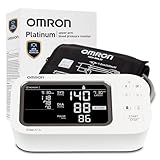
Cuff size: Using the wrong cuff size is a leading cause of inaccurate readings. Measure the upper arm circumference and match it to the manufacturer’s cuff range. Large-arm cuffs (fitting up to 20–22 inches) are available for most major brands.
Clinical validation: Look for monitors validated by recognized protocols (AHA, ESH, or BHS). Validated models have passed independent accuracy testing. The term “clinically tested” is vague — “clinically validated” is the meaningful standard.
Memory and data sharing: Seniors tracking BP for a physician benefit from at least 60-reading memory. Bluetooth models that export readings to an app make sharing data at appointments significantly easier.
Frequently Asked Questions
What is a normal blood pressure reading for seniors?
The American Heart Association defines normal blood pressure as below 120/80 mmHg for all adults. Many seniors are treated to a target below 130/80 mmHg. Individual targets vary based on other health conditions — always follow your physician’s specific guidance rather than general charts.
How often should seniors check their blood pressure at home?
Most cardiologists recommend measuring BP twice in the morning and twice in the evening for a week before any doctor appointment, then averaging the readings. For ongoing monitoring, once daily at the same time is a common recommendation. Never make medication changes based solely on home readings without consulting your doctor.
Does body position affect blood pressure readings?
Yes, significantly. Always sit with your back supported, feet flat on the floor, and the cuffed arm resting at heart level on a flat surface. Avoid talking, crossing your legs, or taking readings within 30 minutes of caffeine, exercise, or smoking for the most accurate results.
Can home blood pressure monitors replace doctor visits?
No. Home monitors are tools to supplement, not replace, clinical care. They help seniors track trends and detect potential problems between appointments. Any reading consistently above 140/90 mmHg, or a sudden spike above 180/120 mmHg, warrants immediate medical consultation.
How long do home blood pressure monitors last?
Quality upper arm monitors from brands like Omron typically last 5–7 years with regular use. Most manufacturers recommend recalibrating or replacing the device after 3–5 years to ensure accuracy. Some local pharmacies offer free validation services to check your monitor’s accuracy against their calibrated equipment.
Final Verdict
The Omron Platinum is the gold standard for seniors who monitor BP daily and need clinically validated accuracy with caregiver-friendly app sharing. The Withings BPM Connect is ideal for tech-comfortable seniors who appreciate color-coded feedback and USB charging. For straightforward, affordable monitoring without app connectivity, the Greater Goods is a reliable, no-fuss choice.
Related Guides
- Best Remote Monitoring Systems for Aging Parents Living Alone
- Quick Picks: Best Portable Nebulizers for Home Use
- Best Wrist Blood Pressure Monitors for Seniors 2026
- Quick Picks: Best Senior Lap Desks with Pillow
- Portable Nebulizer Inhaler Senior Review
Related Reviews & Guides




8 Best Medication Reminder Apps for Seniors and Caregivers

10 Best Travel CPAP Machines for Seniors