Last Updated: October 9, 2026
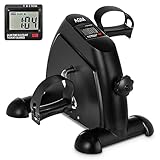
- Top Pick: RYGEO Folding Pedal Exerciser Mini Exercise Bike Under Desk Bike for Arms and Legs Workout, Portable Desk Bike Peddler Machine for Sedentary Officer & Seniors
- Best Value: FITKS360 Under Desk Elliptical & Mini Exercise Bike – Seated Electric Leg Exerciser & Magnetic Pedal Machine for Seniors Arms & Legs Workout with Remote, LCD Display & 5 Adjustable Resistance/Speeds
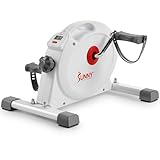
- Premium Choice: Sunny Health & Fitness Under Desk Smart Mini Pedal Exerciser, Dual Function Exercise Cycle Bike with Low Profile Design – SF-B023005DGY
Introduction
Regular cardiovascular exercise is one of the most powerful tools seniors have for maintaining heart health, managing weight, improving mood, and reducing the risk of chronic disease. An exercise bike offers low-impact cardio that is easy on arthritic knees and hips, making it one of the safest and most effective fitness options for older adults. Here's what to look for and the best models available.
Key Features to Look For
- Recumbent vs. Upright: Recumbent bikes feature a seat with back support and pedals out in front, reducing spinal strain and making them ideal for seniors with back pain or poor balance; upright bikes are more compact and better for those with good core strength.
- Step-Through Frame: A low or step-through frame design eliminates the need to swing a leg over a high center bar, which is a safety concern for seniors with limited hip mobility.
- Resistance Levels: At least 8 resistance levels allow gradual progression; magnetic resistance systems operate more quietly and with less mechanical wear than friction-based systems.
- Display Readability: A large, backlit display showing time, distance, speed, calories, and heart rate is important for seniors who want to track their workout without squinting.
- Stability: A heavy, wide base with non-slip foot caps prevents wobbling during use, which is critical for senior safety.
Top Picks for Seniors
Schwinn 270 Recumbent Exercise Bike
Schwinn is a legendary fitness brand, and the 270 recumbent bike is one of the most popular models for seniors. It features 25 resistance levels, a dual-track LCD display, heart rate monitoring via hand grips or a compatible chest strap, 29 onboard workout programs, and Bluetooth connectivity to fitness apps. The ventilated seat with lumbar support keeps seniors comfortable during longer sessions.
As an Amazon Associate we earn from qualifying purchases at no extra cost to you.



Marcy Recumbent Exercise Bike ME-709
For seniors on a budget, Marcy's ME-709 offers solid performance at a fraction of the cost of premium models. It features 8 resistance levels, a step-through frame, an easy-to-read LCD display, and a padded seat with back support. The compact footprint fits in small living spaces, and assembly is manageable without professional help. Weight capacity is 300 lbs.
Exerpeutic 400XL Folding Recumbent Bike
Exerpeutic's 400XL folds for easy storage, making it ideal for seniors with limited space. It features 8 resistance levels, a large easy-read display, a wide seat with back support, and a 300-lb weight capacity. The extra-large pedals with straps keep feet secure during pedaling, and the semi-recumbent seat position is easy to get into and out of for seniors with limited flexibility.
How to Choose the Right Exercise Bike
An exercise bike offers low-impact cardio that is gentle on the joints, making it a popular choice for older adults, and the right style depends on the user’s needs. Recumbent bikes, with a reclined seat and back support, are especially comfortable and easy to mount, suiting those with balance or back concerns. Upright bikes take less space and engage the core more, while seated mini pedal exercisers offer a very gentle option for those who prefer to pedal from a chair. A step-through frame and a comfortable, adjustable seat make getting on and off easier.
Comfort and usability features make a bike one the user will actually use. Look for an adjustable seat and handlebars to fit the user’s height, a smooth and quiet resistance system with easy-to-change levels, and a clear, simple display showing time and other basics. Stable, non-slip feet keep the bike steady, and adjustable foot straps add security while pedaling. Because exercise needs vary, anyone with heart conditions, joint replacements, or balance issues should check with a doctor or physical therapist before starting a new cycling routine.
Tips for Safe Daily Use
Starting gradually is the safest approach. Short sessions of a few minutes at a light resistance, repeated a few times a week, let the body adapt before duration and intensity increase. Adjusting the seat so the legs extend comfortably, with a slight bend at the bottom of the pedal stroke, protects the knees, and a brief warm-up and cool-down ease the body in and out of activity. Pedaling at a pace where conversation is still possible is a simple way to keep the effort safe.
Listening to the body is essential. Mild warmth in the legs and slightly quicker breathing are normal, but sharp pain, dizziness, chest discomfort, or unusual shortness of breath are signals to stop and rest. Keeping water nearby and the bike on a level, clear floor adds comfort and safety. Wiping down the bike after use and periodically checking that bolts are tight and the resistance feels consistent keeps it reliable. For tailored guidance, a physical therapist can suggest a safe starting point and proper bike setup.
Related Guides
- Best WiFi Digital Photo Frames for Grandparents
- How to Start a Walking Program for Seniors
- Best Large Print Keyboards for Seniors: Easy to See & Use
- Best Bathing Suits for Older Women: Comfort, Support and Coverage
Frequently Asked Questions
Is a recumbent or upright bike better for seniors?
Recumbent bikes offer back support and are easy to mount, suiting those with balance or back concerns. Upright bikes save space and engage the core more. The best choice depends on the user’s comfort and needs.
How long should a senior ride an exercise bike?
Many people start with just a few minutes at light resistance, a few times a week, and build up gradually. Pedaling at a pace where you can still talk is a simple way to keep the effort comfortable.
Are exercise bikes safe for bad knees?
Cycling is low-impact and generally gentle on the joints, and setting the seat so the legs extend with a slight bend protects the knees. Anyone with knee or joint concerns should check with a doctor or physical therapist first.
What is a mini pedal exerciser?
It is a compact device with pedals that can be used while seated in a regular chair, offering a very gentle way to keep the legs moving for those who prefer not to use a full bike.
How do I set the seat height correctly?
Adjust the seat so your legs extend comfortably with a slight bend at the bottom of the pedal stroke, avoiding a fully locked or overly cramped knee. Proper height makes pedaling smoother and safer.
Final Thoughts
An exercise bike is an excellent long-term investment in a senior's cardiovascular health, joint function, and overall well-being. Starting with short sessions at low resistance and gradually increasing duration and intensity is the safest approach. Always consult with a physician before beginning a new exercise program, especially for seniors with heart conditions, uncontrolled blood pressure, or recent joint surgery.
Related Reviews & Guides




Senior Weighted Gloves Tremor Parkinson Review

Teaching Seniors to Use a Tablet: A Patient Step-by-Step Guide