Last Updated: October 4, 2026
- Top Pick: Pickleball Trainer, Pickleball Rebounder for Solo Training Anywhere, Durable, Portable, Easy Set Up
- Best Value: Check Out My Six Pack Funny Pickleball Player T-Shirt
- Premium Choice: Get Well Soon! Funny Pickleball Activity Book for Adults: Variety of Relaxing and Fun Puzzles – Word Search, Crossword, Cryptogram, Trivia, Logic, Sudoku, Mazes and More!
🛒 Best Price Today on Amazon
Prime members get fast, free shipping on everything above, plus member-only deals. New members get a 30-day free trial — cancel anytime.
Top Pickleball Seniors Get Started Safely Picks for 2026
Here are our current top pickleball seniors get started safely picks, compared on real Amazon owner reviews, price, and features. Live prices update below.
As an Amazon Associate we earn from qualifying purchases at no extra cost to you.


If you have walked past a community court lately and heard the distinctive pop of paddles, you already know that pickleball for seniors has become a genuine phenomenon. The sport routinely tops lists of the fastest-growing activities in America, and older adults are a huge part of that boom. The appeal is easy to understand: pickleball is easier on the joints than tennis, the small court limits running, the rules take minutes to learn, and the doubles format makes every game a social event. This guide explains what pickleball is, why it suits older bodies, the gear that matters, and most importantly, how to start playing safely.
What Pickleball Is and Why Seniors Love It
Pickleball blends elements of tennis, badminton, and ping-pong. It is played on a badminton-sized court, about one quarter the area of a tennis court, with a low net, solid paddles, and a perforated plastic ball that travels slower than a tennis ball. Games go to 11 points and usually last 10 to 15 minutes, with natural rest between games.
Several design features make the sport unusually senior-friendly. The small court means a few steps in any direction cover your zone, especially in doubles where you defend only half the width. The underhand serve removes the shoulder-punishing overhead motion of tennis. The slower ball gives reaction time back to players who have not swung a racquet in decades. And the culture is famously welcoming: open play sessions mix strangers into games by design, which is why so many retirees describe pickleball as the easiest place they have ever made new friends. That social side matters as much as the exercise, since staying connected is one of the best things older adults can do for long-term health, as we cover in our guide to mood and depression in seniors.
Health Benefits You Can Expect
- Cardiovascular exercise. Rallies raise your heart rate in repeated moderate bursts, a pattern well suited to building aerobic fitness.
- Balance and agility. The constant small steps, lunges, and direction changes train exactly the reactive balance skills that help prevent falls, complementing dedicated balance exercises.
- Hand-eye coordination and quick thinking. Tracking the ball, choosing shots, and calling the score keep the brain engaged alongside the body.
- Leg, core, and grip strength. Regular play builds functional strength, and pairing it with light at-home strength training makes you steadier on the court.
- Motivation that sticks. Because games are fun and partners expect you, attendance stays high; consistency is where exercise benefits actually come from.
Check With Your Doctor, Then Start Smart
Before your first session, talk with your doctor, especially if you have heart disease, joint replacements, osteoporosis, balance problems, or have been inactive for a long while. Pickleball is lower impact than tennis, but it is not no-impact: it involves quick lateral movements, and emergency departments do see pickleball-related sprains, falls, and the occasional fracture among older players, most often in people who jumped in too fast. A doctor or physical therapist can tell you what to modify, and a PT can suggest warm-up routines for your specific knees, hips, or shoulders.
Then make your debut gentle:
- Take a beginner clinic. Most recreation departments and YMCAs run introductory sessions where instructors teach scoring, positioning, and safety.
- Warm up every time. Five to ten minutes of brisk walking and dynamic movement before play, and gentle stretching after, meaningfully reduce strain.
- Play doubles. Half the court, half the running, all the fun. Nearly all senior open play is doubles.
- Let balls go. The points that injure beginners are the ones they chase backward or sideways at full stretch. Champions let unreachable balls bounce away; so should you.
- Never backpedal. Falling backward is the classic pickleball injury mechanism. Turn and step instead, or let the lob go.
- Build up gradually. Start with one or two sessions a week and add play as your body adapts. Soreness that lasts days is a signal to slow down.
- Hydrate and respect heat. Outdoor courts in summer call for water breaks, shade, and morning play times.
Gear: What Matters and What Does Not
Pickleball is refreshingly cheap to try. Many programs lend paddles, so borrow before you buy. When you do buy, a mid-weight paddle with a comfortable grip suits most beginners; lighter paddles ease tennis elbow and arthritic wrists, while heavier ones add power at the cost of arm fatigue. Players with hand arthritis often find a slightly larger grip circumference more comfortable, and some wear compression gloves during play.
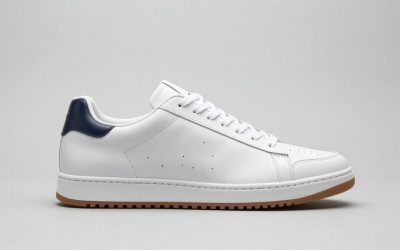
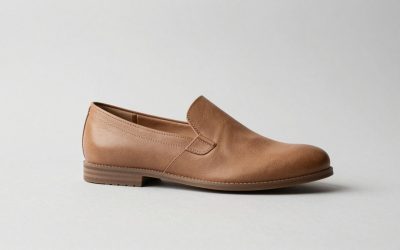
Shoes are the one purchase that genuinely matters for safety. Running shoes are designed for forward motion and can roll an ankle during side steps; choose court shoes designed for lateral movement, with the fit guidance from our roundup of supportive shoes for seniors. Players with cranky knees often add a supportive knee brace, and compression socks can help legs feel fresher during longer sessions. Protective eyewear is increasingly recommended, since the ball moves fast at the net. If you are recovering from a foot or ankle issue, clear your return with your doctor first and consider gentler conditioning like chair exercises in the meantime.
Finding Places to Play
Courts have multiplied rapidly: check city recreation departments, YMCAs, senior centers, tennis clubs with converted courts, and community centers. USA Pickleball’s online court finder lists thousands of locations, and local Facebook groups coordinate open play times. Look specifically for sessions labeled beginner, novice, or 55+, where the pace is friendly and rotation guarantees you get games. Many communities also run free demo days with loaner equipment, which is the perfect zero-commitment first taste.
Frequently Asked Questions
Is pickleball safe for seniors?
For most reasonably healthy older adults, yes, especially played as doubles with proper court shoes, a warm-up, and a gradual buildup. The main risks are falls from backpedaling and overuse strains from playing too much too soon. Clear it with your doctor first if you have heart, joint, or balance concerns, and adopt the no-backpedal rule from day one.
Is pickleball easier on the knees than tennis?
Generally yes. The court is about a quarter the size, the ball is slower, and doubles play cuts movement further, so there is less hard running and stopping than tennis demands. It is still a real sport with lateral movement, so knee-friendly does not mean knee-proof; supportive shoes and sensible volume matter.
Can I play pickleball if I have never played a racquet sport?
Absolutely, and many of the happiest players never touched a racquet before retirement. The underhand serve, short court, and slow ball make basic rallies achievable in your first session. A beginner clinic teaches the quirky scoring faster than figuring it out mid-game.
How often should a senior play pickleball?
Start with one or two sessions per week and let your body vote. Many seasoned senior players settle around three sessions weekly with rest days between. Persistent joint soreness, swelling, or fatigue that lingers into the next day are signals to scale back or check in with your doctor.
What should I wear to my first pickleball session?
Court shoes with lateral support, comfortable athletic clothing, and a hat and sunscreen for outdoor play. Bring water, and borrow a paddle from the program if available. Protective eyewear is a smart addition, particularly for net play.
Related Reviews & Guides


11 Best Dressing Aid Tools for Elderly: Get Dressed Easily

Family Caregiver Support Groups: Finding Help and Community