Last Updated: October 4, 2026
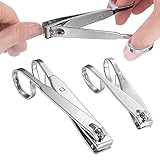
- Top Pick: EZPIK Thick Toe Nail Clippers for Seniors with Nail File Set, Ergonomic Nail Cutter with 4.8” Long Handle, Angled Head & Stainless Steel Blades, Comfortable Toenail Clippers for Weak & Arthritic Hands
- Best Value: DRMODE Toenail Clippers for Thick Toenails for Seniors Long Handled
- Premium Choice: Toenail Clippers for Seniors, Long Handled Curved Head Nail Clippers with Catcher, Ultra-Sharp Heavy Duty for Thick Nails, Ergonomic Design for Men & Women, 18-Month Replacement Warranty
Toenail clippers for seniors solve a problem most younger people never think about: reaching and cutting your own toenails requires flexible hips, a strong grip, decent eyesight, and nails thin enough for standard clippers to bite through. Age works against all four. Toenails thicken over the decades, arthritis steals hand strength, and bending to the floor becomes somewhere between uncomfortable and unsafe. The result is overgrown nails that snag socks, press painfully in shoes, and alter the way you walk — a quiet contributor to balance problems. The right tool changes everything: long handles that eliminate bending, wide-opening jaws for thick nails, and ergonomic grips that work with weak or arthritic hands. One medical caveat first: if you have diabetes, peripheral neuropathy, or poor circulation, foot care should go through your doctor or a podiatrist, because even minor nicks can become serious. For everyone else, these are the senior-friendly toenail clippers worth buying.
As an Amazon Associate we earn from qualifying purchases at no extra cost to you.




🛒 Best Price Today on Amazon
Prime members get fast, free shipping on everything above, plus member-only deals. New members get a 30-day free trial — cancel anytime.
Top Picks: Best Toenail Clippers for Seniors
VELKOMIN Long-Handled Toenail Clippers with Catcher
The VELKOMIN pairs an extended, widened non-slip handle with an ultra-sharp curved blade that powers through thick nails with modest hand pressure. The built-in catcher keeps clippings from flying across the bathroom — a small dignity that anyone who has crawled after nail fragments will appreciate. An 18-month replacement warranty signals real confidence in the blade.
BEZOX Long-Handled Curved-Head Toenail Clippers
BEZOX has built a loyal senior following, and this upgraded model shows why: a long ergonomic handle with grippy texture, a wide jaw opening for genuinely thick nails, and rust-resistant steel that stays sharp. The curved head follows the natural arc of a toenail, reducing the corner-digging that leads to ingrown nails. It is our pick for arthritic hands.
FERYES 360° Rotating Nail Clippers
The FERYES solves an angle problem the others cannot: its cutting head rotates a full 360 degrees, so you can keep your wrist neutral and turn the blade instead of contorting your hand or hip. For seniors with limited wrist mobility or anyone clipping a partner’s nails as a caregiver, the rotating head is remarkably practical. The lever-style grip multiplies force, asking very little of weak fingers.
Swissker by Swissklip Heavy Duty Toenail Clippers
This is the brute-strength option: a professional-grade, wide-opening clipper engineered for the thickest, toughest nails, with an ergonomic body that keeps the force where it belongs. Seniors who have bent or broken drugstore clippers on hardened big-toe nails will find this tool simply works. It is compact rather than long-handled, so pair it with a footstool if reach is an issue.
Extended 18-Inch Long-Handle Toenail Clipper
For seniors who cannot reach their feet at all — after hip surgery, with severe arthritis, or with balance concerns — this clipper on an extended handle with a foam grip restores genuine independence. The wide jaw handles thick nails, and the squeeze action happens at hand level, not floor level. It takes a session or two to master aiming, but for many users it is the difference between self-care and waiting for help.
How to Choose Toenail Clippers for Aging Hands and Feet
Match the tool to the actual limitation. If the problem is thick nails but reach is fine, prioritize jaw opening and blade hardness (the Swissker or BEZOX). If the problem is bending, go long-handled or extended (the VELKOMIN or the 18-inch model). If wrists and grip are the weak point, the rotating-head FERYES or any lever-action design multiplies your force. Many seniors do best with two tools: a heavy-duty clipper for the big toes and a lighter one for the rest. A grippy handle matters more than it sounds — wet bathrooms and lotioned hands make slick chrome clippers genuinely hazardous. The same reach-saving logic applies elsewhere in daily life; see our guide to reacher grabber tools and dressing aids.
Safe Toenail Trimming Technique for Seniors
Trim after a bath or shower when nails are softest, in good light, seated with your foot supported — never balancing on one leg. Cut straight across rather than rounding deep into the corners, which invites ingrown nails, and smooth edges with a file. Take several small cuts instead of one big one on thick nails; forcing a full-width cut can split the nail. If you notice color changes, thickening that worsens, pain, or any broken skin, stop and have your doctor or a podiatrist take a look rather than treating it yourself. Seniors with diabetes should have routine professional foot care — this is one task not to improvise. Good lighting and a stable seat are part of overall bathroom safety, covered in our senior bathroom safety checklist.
Aftercare counts too. Moisturize feet to prevent cracking, and treat your feet kindly between trims — a foot massager improves comfort and circulation awareness, hot and cold packs calm arthritic hand joints after gripping tools, and ankle support braces help wobbly ankles during the seated reach.
Toenail Clipper Comparison
| Model | Handle Style | Best Solves | Catcher | Best For |
|---|---|---|---|---|
| VELKOMIN | Long, non-slip | Thick nails + mess | Yes | All-around senior pick |
| BEZOX Curved Head | Long, ergonomic | Thick nails, ingrown-prone | No | Arthritic hands |
| FERYES 360° | Rotating head, lever grip | Awkward angles, weak wrists | No | Limited wrist mobility, caregivers |
| Swissker Heavy Duty | Compact, ergonomic | Very thick, hard nails | No | Maximum cutting power |
| 18″ Extended Handle | Extra-long foam grip | Cannot reach feet | No | Post-surgery, limited flexibility |
Frequently Asked Questions
Why do toenails get so thick with age?
Decades of micro-trauma from shoes, slower nail growth, reduced circulation, and frequently fungal infection all thicken nails over time. Thick nails are common and manageable with the right clippers, but a sudden change in one nail, discoloration, or pain is worth showing to your doctor or podiatrist.
Should seniors with diabetes cut their own toenails?
Generally no — not without explicit approval from their care team. Diabetes can dull sensation and slow healing, so a small cut can escalate quietly. Medicare often covers routine podiatry foot care for qualifying diabetic patients; ask your doctor for a referral.
How often should elderly adults trim their toenails?
Roughly every six to eight weeks for most seniors, since nail growth slows with age. The practical test: if nails reach the end of the toe or you feel pressure in shoes, it is time. Regular small trims are far easier on thick nails than rare big ones.
What is the best way to soften thick toenails before cutting?
Soak feet in warm water for ten minutes or trim right after a shower. A urea-based foot cream applied for several days beforehand also softens very hard nails. Never force a clipper through a nail that resists — take thinner cuts or upgrade to a wider-jaw tool.
Can a family caregiver use these tools to trim someone else’s nails?
Yes — the rotating-head and long-handled models are particularly caregiver-friendly because they keep your wrist neutral at unusual angles. Work in bright light, support the foot on a towel on your lap, and follow the same straight-across technique. When in doubt, book a podiatry visit instead.
Related Reviews & Guides





Senior Cordless Water Flosser Gum Health Review

Quick Picks: Best Compression Socks for Elderly Circulation