Last Updated: October 4, 2026


Introduction
Hot and cold therapy is one of the oldest and most effective non-pharmacological approaches to managing arthritis pain and joint inflammation. Heat therapy relaxes muscles and increases blood flow to stiff joints, while cold therapy reduces inflammation and numbs sharp pain after flare-ups. Having a reliable, easy-to-use hot/cold pack at home gives seniors an accessible, drug-free tool for daily pain management.
Key Features to Look For
- Safety: Look for packs with a fabric cover to prevent direct skin contact that could cause burns or frostbite. Gel-based packs that conform to joints are preferred over ice packs that press unevenly against curved body parts.
- Ease of Use: Microwaveable gel packs heat in 60–90 seconds and are much easier to use than stovetop heating methods. Reusable packs with velcro straps or elastic bands allow hands-free application, particularly helpful for knee and shoulder arthritis.
- Comfort: Flexible gel packs mold to the contours of the knee, elbow, wrist, or back, maximizing surface contact. Oversized packs (at least 12 x 12 inches) cover larger areas like the lower back or hip.
Top Picks for Seniors
TheraPearl Sports Pack (Hot and Cold)
TheraPearl packs use pearl-shaped gel beads that stay pliable when frozen and retain heat effectively when microwaved. The versatile packs can be used hot or cold, and the included compression strap fits securely around knees, elbows, and other joints. They maintain therapeutic temperature for approximately 20 minutes, and the non-toxic gel beads are safe even if the pack is punctured. Available in various sizes for different body areas.
As an Amazon Associate we earn from qualifying purchases at no extra cost to you.


Chattanooga ColPac Reusable Cold Pack
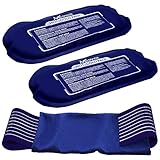
The Chattanooga ColPac is a professional-grade cold pack used in clinical settings and widely recommended for home arthritis management. The blue vinyl cover stays pliable even when frozen solid, and the pack holds a therapeutic cold temperature for up to 30 minutes. Available in multiple sizes from small (hand/wrist) to large (back/hip), it is an excellent choice for seniors with multiple affected joints. Pair with a thin towel to protect sensitive skin.
Sunbeam King Size Heating Pad
For consistent heat therapy, the Sunbeam King Size Heating Pad offers three heat settings, a six-foot cord for comfortable use from a chair or bed, and auto-shutoff after two hours for safety. The soft flannel-like surface feels comfortable against aging skin, and the machine-washable cover is hygienic. The large 12 x 24-inch pad covers the entire lower back, hip, or both knees simultaneously—a significant advantage for widespread arthritis.
Choosing Hot and Cold Packs for Arthritis Relief
Hot and cold packs are a simple, drug-free way many seniors find comforting for stiff or achy joints, so choosing packs that are easy and safe to handle matters most. A pack that is microwavable for heat and freezer-safe for cold, or a reusable gel pack that works both ways, offers flexibility for different needs. Size and shape should match the area being treated, with wrap-style packs and adjustable straps that hold a pack comfortably against a knee, shoulder, wrist, or back so the hands are free. A soft, skin-friendly cover protects against direct contact with extreme temperatures and adds comfort.
Ease of use and durability complete the picture. Packs that stay flexible when cold mold better around a joint, and lightweight designs are easier for arthritic hands to position. Look for leak-resistant, well-made packs that hold their temperature for a reasonable time and are simple to clean. Having both a heat option and a cold option on hand lets a person choose what feels best for a given day, since some find warmth soothing for stiffness while others prefer cold for a swollen, tender joint. Choosing packs suited to the person’s joints and comfort makes this gentle form of relief easy to use regularly.
Using Hot and Cold Therapy Safely
Safe use of hot and cold packs comes down to protecting the skin and listening to the body. Always place a cloth or the pack’s cover between the pack and bare skin rather than applying it directly, since both heat and cold can injure skin, and limit each session to a short period, commonly around fifteen to twenty minutes, with a break before reapplying. Check the temperature first so a heated pack is comfortably warm, not hot, which is especially important for seniors whose skin may be more fragile or who have reduced sensation and might not feel a burn coming on.
Check the skin during and after use, and stop if there is increasing redness, pain, blistering, numbness, or any sign of irritation. People with diabetes, poor circulation, neuropathy, or reduced skin sensation should be particularly cautious and check with a doctor before using heat or cold, since they may not sense damage as it occurs. Hot and cold packs can ease discomfort but do not treat the underlying arthritis. Anyone with worsening joint pain, swelling, warmth, or stiffness should talk with a doctor, who can recommend an overall plan; a doctor or physical therapist can also advise whether heat, cold, or a combination is most appropriate for the individual.
Related Guides
- Motion Sensor Night Light for Elderly Adults
- Why Seniors Struggle to Sleep: Causes and Solutions
- Weighted Blanket for Seniors and Anxiety
- Bed Rail for Elderly
Frequently Asked Questions
Should I use heat or cold for arthritis?
Many people find warmth soothing for stiffness and cold helpful for a swollen, tender joint, but the best choice varies by person and day. Having both on hand lets you choose, and a doctor or physical therapist can advise what suits your situation.
How long should I leave a hot or cold pack on?
A common guideline is a short session of around fifteen to twenty minutes with a break before reapplying. Always place a cloth between the pack and bare skin, and stop sooner if irritation develops.
Are hot and cold packs safe for everyone?
Not entirely. People with diabetes, poor circulation, neuropathy, or reduced skin sensation should be cautious and check with a doctor first, since they may not feel skin damage as it happens. Always protect the skin with a cover or cloth.
Do hot and cold packs treat arthritis?
No. They can ease discomfort but do not treat the underlying condition. Worsening joint pain, swelling, warmth, or stiffness should be discussed with a doctor, who can recommend a fuller plan.
Final Thoughts
Hot and cold therapy packs are affordable, versatile tools that complement a well-rounded arthritis management plan. As a general guide, use cold therapy within the first 48 hours of a flare-up and heat therapy for chronic stiffness and muscle relaxation. Always consult your rheumatologist or physical therapist to determine the best protocol for your specific type of arthritis.
Related Reviews & Guides


Best Lift Chair Recliners for Mobility: Fit and Controls

Quick Picks: Best Motion Sensor Night Lights for Senior…