Last Updated: October 9, 2026
- Top Pick: Heating Pad,Electric Heating Pads,Heating Pad for Back,Silvergray,24x12In
- Best Value: Electric Heating pad with 6 Heat Settings, Auto Shut Off, Dry Electric Heating for Back Neck Knee Arms Legs Shoulder Heat Pads for Christmas Birthday Father Mother's Day 24"X12", Gray Green
- Premium Choice: Comfytemp Heating Pad for Neck Shoulders Back, 2.6 Ib Weighted Heating Pad
Introduction
Heat therapy is one of the most widely recommended non-pharmacological treatments for arthritis pain, stiffness, and muscle tension. An electric heating pad delivers consistent, controllable warmth to aching joints without the risk of burns associated with traditional hot water bottles. Seniors with arthritis can benefit enormously from the right heating pad — here's what to look for and the best options available.
Key Features to Look For
- Auto Shut-Off: Safety auto shut-off is essential for seniors who may fall asleep during heat therapy; look for models that turn off automatically after 2 hours or less.
- Moist Heat Option: Moist heat penetrates deeper into tissues than dry heat and is more effective for arthritis relief; look for pads with a moist heat setting or a removable moist cover.
- Temperature Settings: At least 3 heat levels allow seniors to start low and adjust as needed; some arthritis patients find medium heat more effective than high for prolonged sessions.
- Size: A larger pad (12×15 inches or bigger) covers more area, which is important for back, hip, or shoulder arthritis; smaller pads suit knees and wrists.
- Washable Cover: A removable, machine-washable cover maintains hygiene and extends the life of the pad.
Top Picks for Seniors
Sunbeam Heating Pad with XpressHeat Technology
Sunbeam is a household name in heating pads, and their XpressHeat model reaches full warmth in just 30 seconds — faster than most competitors. It features 6 heat settings, an illuminated controller that's easy to read, a 2-hour auto shut-off, and both dry and moist heat modes. The 12×15-inch pad has a machine-washable cover and a 9-foot cord for flexible positioning from a chair or bed.
As an Amazon Associate we earn from qualifying purchases at no extra cost to you.



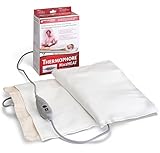
Thermophore Classic Deep-Heat Therapy Pack
The Thermophore Classic is a medical-grade moist heating pad widely recommended by physical therapists and occupational therapists. It uses a moisture-extracting pad to generate deep penetrating moist heat without the need to add water. It features a hold-to-heat design that automatically turns off when released — a key safety feature for seniors. Available in multiple sizes to cover different joints.
Pure Enrichment PureRelief XL Heating Pad
Pure Enrichment's PureRelief XL is a 12×24-inch pad ideal for covering the full back or bilateral knee pain. It features 6 heat settings, a soft microplush surface, a 2-hour auto shut-off, a removable washable cover, and a long 6-foot cord. The easy-to-use LCD controller is large enough for seniors with limited visual acuity to navigate comfortably.
What to Look for in an Electric Heating Pad for Arthritis
An electric heating pad can soothe stiff, achy joints by warming the area and helping muscles relax, which many people with arthritis find comforting. Key features include multiple heat settings so the user can choose a gentle, comfortable level, and an auto shut-off timer that turns the pad off after a set period for safety and peace of mind. The size and shape matter too: larger pads cover the back or hips, while contoured wraps fit around knees, shoulders, or wrists.
Comfort and safety features make daily use better. A soft, machine-washable cover feels pleasant against the skin and stays hygienic, and moist-heat options can feel especially soothing for some users. Look for a long enough cord to use the pad comfortably from a favorite chair, and easy controls with clear settings. Because heat therapy affects everyone differently, and is not suitable for every condition, it is wise to ask a doctor whether and how to use heat for arthritis.
Using a Heating Pad Safely for Soothing Relief
Safe heat therapy comes down to moderation and attention. Use a low or medium setting rather than the highest heat, place a thin layer of cloth between the pad and bare skin if needed, and limit each session to a reasonable length, often around 15 to 20 minutes, to avoid burns. Never lie directly on a heating pad or fall asleep with it on, since prolonged contact can damage the skin, especially for those with reduced sensation.
A few precautions keep heat therapy comfortable and safe. Check the skin during and after use for excessive redness, and stop if there is any pain, blistering, or discomfort. People with diabetes, circulation problems, or reduced sensation should be especially cautious and consult a doctor first, since they may not feel a burn developing. Heat can ease arthritis stiffness as part of a broader plan, but it does not treat the underlying condition, so discuss ongoing joint pain with a healthcare provider.
Who Benefits Most From Heat Therapy
Heat therapy with an electric pad can bring comfort to seniors dealing with the stiffness and aching of arthritis, sore muscles, or general joint discomfort. Warmth helps relax tight muscles and may ease the morning stiffness many older adults feel, making gentle movement more comfortable afterward. It is most helpful for chronic, dull aches rather than fresh injuries, where cold is sometimes more appropriate. Heat is not suitable for everyone, however; people with diabetes, poor circulation, or reduced skin sensation must be cautious because they may not feel a burn developing. The same caution applies to areas of broken or irritated skin. Because the right approach depends on the specific condition, it is wise to ask a doctor whether heat, cold, or another therapy is best for managing your joint pain.
Frequently Asked Questions
Is heat good for arthritis pain?
Many people find that heat relaxes stiff muscles and eases aching joints. Whether heat is right for your condition is best confirmed with a doctor, since some situations call for cold instead.
How long should I use a heating pad?
Sessions are often kept to about 15 to 20 minutes on a low or medium setting to avoid burns. Never sleep with a heating pad on or lie directly on it.
Are heating pads safe for everyone?
Not always. People with diabetes, poor circulation, or reduced skin sensation should be cautious and consult a doctor, since they may not notice a burn developing.
What heat setting should I use?
Use a gentle, comfortable low or medium setting rather than the highest heat, and place a thin cloth between the pad and skin if it feels too warm.
Does a heating pad treat arthritis?
Heat can soothe stiffness and discomfort but does not address the underlying joint condition. Use it as one comfort measure and discuss ongoing pain with a doctor.
Final Thoughts
An electric heating pad with auto shut-off and moist heat capability is one of the most accessible and effective tools for managing daily arthritis pain at home. Use heat therapy consistently as part of a broader pain management plan rather than as a sole treatment. Always consult with a rheumatologist or physical therapist for guidance on heat therapy frequency and duration appropriate for your specific form of arthritis.
Related Reviews & Guides




4 Best Leg Compression Massagers for Circulation
Weighted Blanket for Seniors and Anxiety