Last Updated: October 4, 2026
TL;DR: A leg compression massager improves circulation, reduces swelling, and relieves aching legs in seniors with chronic venous insufficiency, lymphedema, or post-surgical edema. This guide covers how compression therapy works, what specs matter clinically, and answers the key questions OTs and vascular nurses get most often.
Best Leg Compression Massager for Circulation: Evidence-Based Guide for Seniors
Poor leg circulation affects an estimated 40% of adults over 65. Venous insufficiency — where leg veins struggle to return blood toward the heart — causes swelling, heaviness, fatigue, and in severe cases, deep vein thrombosis (DVT). A leg compression massager for circulation applies sequential pneumatic pressure to the calves, ankles, and feet, mechanically mimicking the pumping action of the calf muscles during walking. The result is measurably improved venous return, reduced edema, and relief from the aching heaviness that makes evenings difficult for millions of older adults.
As an Amazon Associate we earn from qualifying purchases at no extra cost to you.




This guide explains the clinical mechanism, key selection criteria, and the questions caregivers and patients most frequently ask before purchase.
🛒 Best Price Today on Amazon
Prime members get fast, free shipping on everything above, plus member-only deals. New members get a 30-day free trial — cancel anytime.
How Leg Compression Massage Works
Sequential pneumatic compression (SPC) devices inflate a series of air chambers from the ankle upward toward the thigh in a coordinated wave. This gradient compression — highest at the ankle, decreasing toward the knee — pushes blood and lymphatic fluid proximally, counteracting the pooling that gravity causes in seated or sedentary individuals. Clinical research published in the Journal of Vascular Surgery demonstrates that regular SPC use reduces lower-limb edema volume by 20–40% in patients with chronic venous insufficiency over a 4-week protocol.
Home-use devices differ from hospital-grade compression pumps primarily in pressure range and chamber count. Consumer models typically deliver 30–120 mmHg with 3–6 chambers per sleeve. Medical-grade devices used post-surgically can reach 200+ mmHg with up to 12 chambers. For daily home use in seniors without active DVT or arterial insufficiency, the consumer range is appropriate and safe without physician supervision for most users.
Top Picks: Leg Compression Massagers
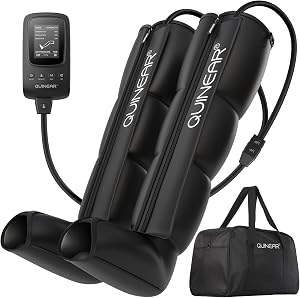
These three models represent the best balance of pressure range, ease of use for arthritic hands, and coverage area for seniors with edema, restless leg syndrome, or post-surgical recovery needs.

8


As an Amazon Associate we earn from qualifying purchases. Product prices and availability are accurate as of the date/time indicated.

9


As an Amazon Associate we earn from qualifying purchases. Product prices and availability are accurate as of the date/time indicated.

9
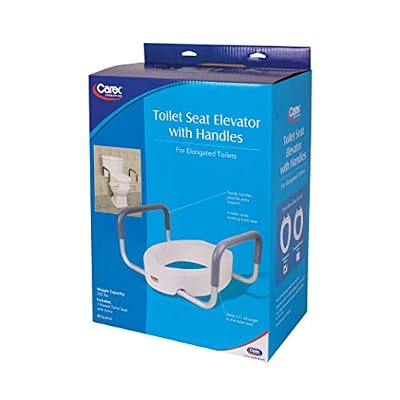
Carex 3.5 Inch Raised Toilet Seat with Arms, Elongated Toilet Seat Riser, Up to 250 lbs Capacity, Elevating & Raising Seat for Elderly & Handicap, Universal, Slip-Resistant with Padded Handles, White
Out of Stock


As an Amazon Associate we earn from qualifying purchases. Product prices and availability are accurate as of the date/time indicated.
Key Specifications Comparison
| Spec | Basic Model | Mid-Range | Advanced |
|---|---|---|---|
| Pressure Range (mmHg) | 30–80 | 30–120 | 30–180 |
| Air Chambers | 2–3 | 4–5 | 6+ |
| Coverage | Foot + calf | Foot + calf + knee | Foot to thigh |
| Massage Modes | 1 (sequential) | 3–4 | 6–8 |
| Session Timer | Fixed 15 min | 10/20/30 min | 5–60 min adjustable |
| Heat Function | No | Optional | Yes, adjustable |
| Sleeve Sizes | One size | S/M/L | S/M/L/XL |
| Control Type | Unit buttons | Wired remote | Wireless remote + app |
Clinical Selection Criteria
Pressure Range and Gradient Design
For general circulation improvement and mild edema, 30–80 mmHg is sufficient. For diagnosed chronic venous insufficiency (CVI) or lymphedema management, 80–120 mmHg provides therapeutic effect. Anything above 130 mmHg should be discussed with a physician — excessive pressure in patients with peripheral arterial disease (PAD) can restrict arterial inflow and cause ischemic injury. If the user has been told by a doctor to avoid compression stockings, the same contraindication applies to pneumatic compression devices.
Chamber Count and Sequence Pattern
More chambers produce a smoother, more physiologically accurate wave. A 3-chamber device creates a noticeable “jump” between inflation zones; a 6-chamber device produces a continuous peristaltic wave that better mimics calf-muscle pump action. For lymphedema specifically, a minimum of 4 chambers is recommended by lymphedema therapists. For general circulation comfort, 3 chambers is adequate.
Sleeve Fit and Sizing
Ill-fitting sleeves are the most common reason users report poor results. A sleeve that is too loose cannot generate effective pressure; one that is too tight creates pressure points. Measure calf circumference at the widest point and ankle circumference before purchasing. Seniors with significant edema should measure in the morning before swelling accumulates. Many brands offer XL or bariatric sleeves — verify availability before purchasing if calf circumference exceeds 18 inches.
Ease of Use for Limited Dexterity
Velcro closures are universal but require adequate hand strength to secure snugly. Look for wide Velcro straps with large, easy-grip pull tabs. Zipper-closure sleeves are faster to don but can be difficult for arthritic fingers. Wireless remote controls allow users to adjust settings without bending forward to reach the unit — important for seniors with spinal stenosis or hip precautions. Auto-shutoff timers are a safety essential to prevent falls from attempting to stand while still connected.
Heat Therapy Integration
Combining infrared heat (typically 104–113°F) with compression enhances vasodilation and amplifies the circulation benefit. Heat therapy is particularly valued by users with restless leg syndrome and chronic muscle cramping. However, seniors with diabetic neuropathy have reduced sensation in their feet and lower legs — they may not detect excessive heat. For this population, either avoid heat features or set them to the lowest setting and check skin temperature manually.
Related Guides
- Best Seat Cushions for Elderly: Comfort for Chair & Car
- Best Low Impact Treadmill for Seniors
- Quick Picks: Best Arthritis Compression Gloves
Frequently Asked Questions
How often should a senior use a leg compression massager?
Most clinical protocols recommend one to two 20–30 minute sessions per day for chronic venous insufficiency or lymphedema management. For general comfort and circulation support, once daily in the evening — when leg swelling is typically highest — is effective for most users. There is no evidence benefit from sessions longer than 30–45 minutes; more time does not equal more therapeutic effect once tissue fluid has been mobilized.
Is a leg compression massager safe after hip or knee replacement?
Sequential pneumatic compression is frequently used post-surgically in hospital settings to prevent DVT — but the timing and pressure must be approved by the surgeon. Most orthopedic surgeons approve home compression devices 2–4 weeks post-surgery once wound healing is confirmed. Always get explicit surgical team clearance before beginning use following any joint replacement. Do not apply sleeves directly over incision sites or fresh sutures.
Can a leg compression massager cause DVT?
In healthy individuals without existing blood clots, sequential compression actually reduces DVT risk. However, if a DVT is already present, compression can dislodge the clot and cause pulmonary embolism — a life-threatening emergency. This is the primary contraindication. Anyone with known or suspected DVT, active skin infection, open wounds, or severe peripheral arterial disease must not use compression devices without physician clearance.
What is the difference between a compression massager and compression socks?
Compression socks provide static, graduated pressure that supports venous return continuously throughout the day. Compression massagers provide dynamic, sequential pneumatic pressure in active therapy sessions. The two are complementary: socks manage edema during upright activity; massagers actively clear accumulated fluid during rest periods. For moderate to severe CVI or lymphedema, many vascular specialists recommend using both.
What pressure level should I start with on a leg compression massager?
Always begin at the lowest available pressure setting — typically 30–40 mmHg — for the first two to three sessions. This allows the body to adapt and lets the user identify any areas of discomfort before increasing intensity. Gradually increase by one level per session until you reach the pressure that produces a firm, comfortable squeeze without numbness, tingling, or pain. If any discomfort persists at low settings, consult a physician before continuing.
Related Senior Health and Comfort Guides
- Best Compression Socks for Elderly Leg Swelling
- Foot Massagers Safe for Seniors with Diabetic Neuropathy
- Anti-Embolism Stocking Guide: TED Hose vs. Compression Socks
- Best Rollator Walkers for Seniors Who Stand Frequently
- Heated Blanket Guide for Seniors with Circulation Issues
Bottom Line
A leg compression massager is one of the most evidence-supported non-pharmaceutical interventions for senior leg circulation. Clinical data confirm measurable reductions in edema and symptom relief for CVI and lymphedema patients. Select a model with the appropriate pressure range for the medical context, adequate chamber count for smooth sequential compression, and controls designed for limited dexterity. Always observe contraindications — particularly existing DVT and severe PAD — and confirm post-surgical use with the treating physician.
For a complete lower-limb care approach, pair this with our guides on compression socks for edema and safe foot massagers for diabetic neuropathy.
Related Reviews & Guides



11 Best Back Support Pillows for Chair: Senior Comfort 2026
4 Best White Noise Machines for Senior Sleep