Last Updated: October 4, 2026
- Top Pick: HomeTop Premium Classic Rubber Hot Water Bottle (Red)
- Best Value: DICEVER Hot Water Bottle with Soft Cover, 2L Hot Water Bag for Menstrual Cramps, Neck and Shoulder Pain Relief, Hot and Cold Therapies, Hand Feet Warmer, Blue
- Premium Choice: samply 2L Hot Water Bottle with Knitted Cover, Hot Water Bag, Purple
TL;DR: A rubber hot water bottle remains one of the most cost-effective, drug-free pain management tools available to seniors. The right hot water bottle senior users can safely rely on combines a thick thermoplastic rubber shell, a leak-proof stopper, a protective cover, and a size appropriate for the target body area. This guide covers clinical use cases, safety protocols, and product selection criteria.
Hot Water Bottle for Seniors: Safe Heat Therapy for Arthritis, Back Pain, and Cramps
Before electric heating pads and infrared therapy devices, the humble rubber hot water bottle was the primary household tool for pain relief and warmth. It remains clinically relevant and practically superior for many use cases — it requires no electricity, maintains consistent radiant heat for 2–4 hours, and delivers moist-heat-adjacent warmth that penetrates soft tissue more effectively than dry electric heat alone.
As an Amazon Associate we earn from qualifying purchases.


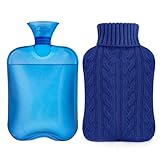
For older adults, a quality hot water bottle provides targeted relief for arthritis, back pain, abdominal cramps, and cold extremities. With the correct safety protocol, it is safe for home use even for seniors with moderate mobility limitations.
🛒 Best Price Today on Amazon
Prime members get fast, free shipping on everything above, plus member-only deals. New members get a 30-day free trial — cancel anytime.
The Clinical Case for Heat Therapy in Older Adults
Thermotherapy — the therapeutic application of heat — is supported by clinical evidence across multiple conditions common in elderly populations:
- Osteoarthritis pain: Heat reduces joint stiffness and pain intensity by increasing synovial fluid mobility, relaxing periarticular musculature, and elevating the pain threshold in nociceptive nerve fibers. The Arthritis Foundation includes heat therapy in its standard management recommendations.
- Chronic low back pain: A Cochrane review found that heat wrap therapy provided short-term relief for non-specific low back pain comparable to over-the-counter analgesics, with fewer systemic side effects.
- Muscle spasm: Heat reduces the gamma motor neuron activity responsible for sustained muscle spasm, breaking the pain-spasm cycle without pharmacological intervention.
- Menstrual and abdominal cramping: Even in older women, abdominal cramping related to gastrointestinal conditions responds well to localized heat application.
- Cold-related discomfort: Seniors who cannot maintain comfortable core temperature benefit from the sustained radiant warmth a filled hot water bottle delivers to the chest, abdomen, or bed environment.
Rubber vs. Other Materials: Why Rubber Still Wins
Modern hot water bottles come in thermoplastic rubber (TPR), natural rubber, PVC, and stainless steel. For senior users, the material choice has direct safety implications:
| Material | Heat Retention | Safety for Seniors | Notes |
|---|---|---|---|
| Thermoplastic rubber (TPR) | 2–4 hours | High — flexible, won’t shatter | BS 1970:2012 standard indicates quality |
| Natural rubber | 2–3 hours | High — soft and pliable | Check for latex allergy |
| PVC / hard plastic | 1–2 hours | Lower — rigid, can crack | Avoid for elderly users |
| Stainless steel | 4–6 hours | Lower — surface can burn | Requires insulating cover at all times |
For most senior applications, a thick-walled thermoplastic rubber bottle (conforming to BS 1970:2012 or equivalent) with a flannel or knitted cover is the safest and most practical choice. The cover is not optional for elderly users — it serves as the thermal barrier between the hot surface and thin, easily burned skin.
Recommended Hot Water Bottle for Senior Users
The product below provides the thick-wall rubber construction, secure stopper design, and soft cover finish that senior safety protocols require.

9


As an Amazon Associate we earn from qualifying purchases. Product prices and availability are accurate as of the date/time indicated.
9
As an Amazon Associate we earn from qualifying purchases. Product prices and availability are accurate as of the date/time indicated.
9
As an Amazon Associate we earn from qualifying purchases. Product prices and availability are accurate as of the date/time indicated.
Safe Filling and Use Protocol for Seniors
Burns from hot water bottles are preventable with consistent protocol. Caregivers and seniors should follow these steps every use:
- Use hot, not boiling water. Water temperature should not exceed 60°C (140°F). Boiling water creates steam pressure inside the bottle that can force the stopper out or weaken the rubber over time. Fill from a kettle that has stood for 3–5 minutes after boiling.
- Fill to two-thirds capacity only. Overfilling prevents expulsion of air from the bottle, increases internal pressure, and makes the bottle harder to seal securely.
- Expel air before sealing. Lay the bottle flat, press out air until water reaches the opening, then insert and tighten the stopper firmly.
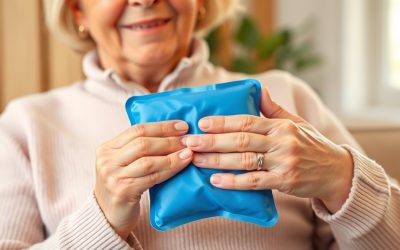
- Always use the cover. Never apply a rubber hot water bottle directly to skin. The cover should always be in place, and for seniors with thin skin or neuropathy, an additional layer of clothing between cover and skin is advisable.
- Never sit or lie on the bottle. Body weight creates pressure that can force the stopper out and cause scalding.
- Set a timer. Limit application to 20 minutes per session on any single body area. Allow skin to cool and inspect before reapplying.
- Inspect the bottle before each use. Look for cracking, discoloration, or stiffening in the rubber — any of these indicates the bottle should be replaced. Most manufacturers recommend replacement every 2–3 years regardless of visible condition.
Best Application Sites for Senior Pain Management
- Lower back: Place against the lumbar region while seated or lying on the side. Use the classic standard-size bottle (2L) for maximum coverage.
- Knees and hips: Smaller mini bottles (0.8–1L) conform better to joint contours and are easier for arthritic hands to fill and handle.
- Feet and lower legs: Placing a covered bottle at the foot of the bed or between the feet warms the extremities and improves sleep onset. Do not trap under heavy blankets.
- Abdomen: Effective for gastrointestinal cramping, gas pain, and constipation discomfort. The warmth relaxes intestinal musculature and can improve motility.
- Neck and shoulders: A long or specialty-shaped bottle covers the cervical and shoulder region. Particularly useful for seniors with cervical osteoarthritis.
Seniors managing multiple pain sites often find that rotating a single hot water bottle across different areas throughout the day is more practical than maintaining multiple heated devices. For broader pain management support, see our arthritis aids for seniors review, which covers complementary tools including paraffin wax baths and transcutaneous nerve stimulators. For cold-related comfort concerns at night, pairing heat therapy with the guidance in our electric blanket elderly guide provides a layered approach. Our best mattress for seniors article also discusses how sleep surface choice affects nighttime temperature regulation.
Frequently Asked Questions
Is a hot water bottle safe for elderly people with thin or fragile skin?
Yes, with appropriate precautions. The critical safeguards are: always use a fabric cover, limit session duration to 20 minutes, use water no hotter than 60°C, and inspect the skin after each application. Seniors with diabetic neuropathy or other conditions that reduce temperature sensation should have a caregiver monitor skin condition during and after use. The bottle should never be applied to broken skin or active wounds.
How long does a rubber hot water bottle stay warm?
A standard 2-liter thermoplastic rubber bottle filled with hot water at 60°C typically maintains therapeutic warmth for 2–4 hours, depending on ambient temperature and the insulating quality of the cover. Thick wool or fleece covers retain heat significantly longer than thin cotton covers. The bottle is still warm to touch after 4 hours but typically below therapeutic temperature (40°C) after 3–4 hours.
Can I use a hot water bottle for senior back pain every day?
Daily use is generally safe for chronic musculoskeletal pain provided the protocol above is followed — 20-minute sessions with skin inspection between applications. Prolonged daily use should be discussed with the treating physician if pain is severe or worsening, as persistent back pain can have underlying causes requiring diagnosis rather than symptom management alone.
What size hot water bottle is best for elderly users with arthritis?
For arthritis sufferers with grip weakness, a smaller bottle (0.8–1L) is easier to fill, carry, and position. It reduces the weight that arthritic wrists and hands must manage when placing the bottle. For back pain coverage, the standard 2L size provides broader surface area. A long-format cervical bottle (approximately 35×20 cm) suits neck and shoulder coverage without manual positioning effort.
How do I know when to replace a rubber hot water bottle for an elderly person?
Replace the bottle immediately if you observe any of these: surface cracking or crazing in the rubber, unusual stiffness or brittleness, discoloration (yellowing or browning indicates rubber degradation), stopper that does not seal securely, or any smell of chemical off-gassing. As a precaution, replace any hot water bottle that is more than 2–3 years old, even without visible defects, as rubber degrades over time with heat cycling.
Related Reviews & Guides



11 Best Posture Correctors for Seniors: Support Spine Health and Reduce Pain

8 Best Power Lift Recliners for Elderly 2026