Last Updated: October 4, 2026
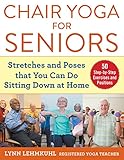
- Top Pick: Chair Yoga for Seniors: Stretches and Poses that You Can Do Sitting Down at Home
- Best Value: Chair Yoga for Weight Loss & Longevity Made Easy: Complete Guide to Feel 15 Years Younger in Just 10 Minutes a Day – Exercise Book for Seniors over 60 (Defy Aging at Home)
- Premium Choice: Chair Yoga for Seniors: Seated Stretches and Poses You Can Do Anywhere to Increase Flexibility, Mobility, Balance, and Strength (Workouts for Men and Women Over 60)
Top Chair Yoga Seniors Gentle Poses Picks for 2026
Here are our current top chair yoga seniors gentle poses picks, compared on real Amazon owner reviews, price, and features. Live prices update below.
As an Amazon Associate we earn from qualifying purchases at no extra cost to you.


Chair yoga for seniors is one of the gentlest and most rewarding ways to stay active as you age. By using a sturdy chair for support, you can enjoy the flexibility, circulation, and stress-relief benefits of yoga without getting down on the floor or worrying about losing your balance. Whether you are recovering from an injury, living with arthritis, or simply want a safe way to move more, chair yoga meets you exactly where you are. This guide walks you through the benefits, the safety basics, and eight beginner-friendly poses you can practice at home today.
Why Chair Yoga Is Ideal for Older Adults
Traditional yoga classes often involve floor work, quick transitions, and standing balance poses that can feel intimidating or risky for older adults. Chair yoga removes those barriers while keeping the heart of the practice intact: slow, mindful movement paired with deep breathing.
Regular practice can help loosen stiff joints, improve posture, support better sleep, and ease the everyday tension that builds up in the neck, shoulders, and lower back. Many seniors also find that the breathing exercises calm anxiety and improve focus. Because the chair provides constant support, chair yoga is also a confidence builder for anyone who has become hesitant to exercise after a fall. If balance is a concern for you, pairing chair yoga with the right footwear matters too — see our guide to the best shoes for seniors for comfort and fall prevention.
Safety First: Before You Begin
Chair yoga is gentle, but it is still exercise. Keep these guidelines in mind:
- Talk to your doctor first. Always check with your physician before starting any new exercise routine, especially if you have heart problems, osteoporosis, recent surgery, or uncontrolled blood pressure.
- Choose a stable chair. Use a firm chair without wheels, placed on a non-slip surface. Avoid soft recliners — though a supportive seat matters for daily comfort too, as we cover in our seat cushion guide for elderly adults.
- Wear comfortable clothing that lets you move freely, and keep your feet flat on the floor.
- Move slowly and never force a stretch. Mild tension is fine; pain is a signal to stop.
- Breathe steadily. Holding your breath raises blood pressure. Exhale as you move into each stretch.
8 Gentle Chair Yoga Poses to Try at Home
1. Seated Mountain Pose
Sit tall with your feet hip-width apart and flat on the floor. Rest your hands on your thighs. Lengthen your spine as if a string were pulling the crown of your head upward. Take five slow breaths. This pose builds posture awareness and is the starting position for every other movement.
2. Seated Neck Rolls
From mountain pose, slowly lower your right ear toward your right shoulder. Hold for two breaths, then gently roll your chin down toward your chest and over to the left side. Repeat three times in each direction to release neck tension.
3. Seated Cat-Cow Stretch
Place your hands on your knees. As you inhale, arch your back gently and lift your chest (cow). As you exhale, round your spine and tuck your chin (cat). Flow between the two positions for six to eight breaths to keep the spine mobile.
4. Seated Side Stretch
Hold the side of the chair with your left hand. Inhale and reach your right arm overhead, then lean gently to the left until you feel a stretch along your right side. Hold for three breaths, return to center, and switch sides.
5. Seated Forward Fold
With feet flat and hands sliding down your shins, hinge forward from the hips as far as is comfortable. Let your head and neck relax. Hold for three breaths, then press into your thighs to rise slowly. Skip this pose if you have been told to avoid forward bending due to osteoporosis.
6. Seated Knee Lifts
Holding the sides of the chair, exhale and lift your right knee a few inches, keeping your back tall. Lower it with control and switch legs. Do six lifts per side to gently strengthen the hips and thighs.
7. Seated Spinal Twist
Sit sideways-friendly and tall, place your right hand on your left knee and your left hand on the chair behind you. Inhale to lengthen, exhale to rotate gently to the left. Hold for three breaths, then repeat on the other side. Twist from the mid-back, not the neck.
8. Seated Ankle Circles
Extend one leg slightly and circle the ankle five times in each direction, then switch. Strong, mobile ankles support balance — if yours feel weak, an ankle support brace for elderly adults can add stability during daily activities.
How to Progress Safely
Start with ten minutes, two or three days a week, and add a few minutes each week as your body adapts. Once seated poses feel easy, you can try standing poses while holding the chair back for support. Light props can add variety as well — our guide to resistance bands for elderly users shows how to add gentle strengthening to your routine, and the best exercise equipment for seniors roundup covers other low-impact options. Consistency matters far more than intensity: a short daily practice will do more for your flexibility than one long weekly session.
When to Stop and Seek Advice
Stop immediately and rest if you experience chest pain or pressure, dizziness, sudden shortness of breath, or sharp joint pain. If symptoms persist, contact your doctor. If you live alone and worry about exercising solo, a fall detection device can provide reassurance that help is one button press away. And remember that soreness lasting a day after exercise is normal, but pain during a movement is your cue to back off.
Frequently Asked Questions
Is chair yoga effective, or is it “yoga lite”?
Chair yoga is real yoga adapted for accessibility. It stretches and strengthens the same muscle groups as mat-based practice and delivers genuine benefits for flexibility, circulation, and stress relief — especially for people who would otherwise not exercise at all.
How often should seniors do chair yoga?
Most older adults do well with two to four short sessions per week. Daily gentle practice is also safe for most people once your doctor has cleared you, as long as you stay within a comfortable range of motion.
Do I need any special equipment?
Just a sturdy, armless chair on a non-slip floor and comfortable clothing. Optional extras include a yoga strap, a small cushion for support, and light resistance bands as you advance.
Can chair yoga help with arthritis pain?
Many people with arthritis find that gentle, regular movement reduces stiffness and improves joint comfort. Move within a pain-free range and ask your doctor or physical therapist which poses suit your specific joints.
Is chair yoga safe after a hip or knee replacement?
Often yes, but only after your surgeon clears you, and certain movements (such as deep twists or crossed legs after hip surgery) may need to be avoided. Follow your rehabilitation team’s specific precautions.
Related Reviews & Guides



Reading Glasses Strength Seniors Review

Strength Training for Seniors: A Safe At-Home Guide