Last Updated: October 9, 2026
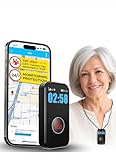
- Top Pick: SecuLife Medical Alert Pendant for Seniors — Alerts Go Direct to Family, No Call Center | Auto Fall Detection, GPS Tracking, 2-Way Calling, No Contract, Waterproof Necklace
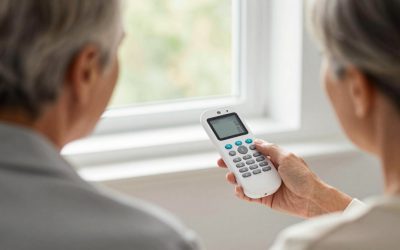
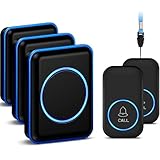
- Best Value: FullHouse Caregiver Pager Wireless Emergency Call Button for Elderly
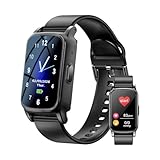
- Premium Choice: Fajocru Fall Detection Smart Watch for Seniors with GPS Tracking, SOS Alert, Waterproof Fitness Tracker for Dementia/Alzheimer’s, 4G Safety
Introduction
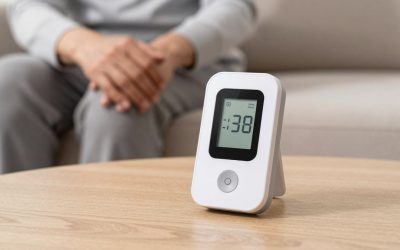
Falls are the leading cause of injury-related deaths among adults over 65, and the ability to get help quickly after a fall can make the difference between a full recovery and a life-threatening complication. Automatic fall detection devices sense a fall and alert emergency contacts or 911 without requiring the senior to press a button. Here's what to know when choosing one.
Key Features to Look For
- Automatic Detection: True automatic fall detection uses accelerometers and algorithms to identify a fall and trigger an alert without user action — critical if the senior is unconscious or disoriented.
- 24/7 Monitoring Center: Systems connected to a live monitoring center can dispatch help faster than relying solely on notifying family members.
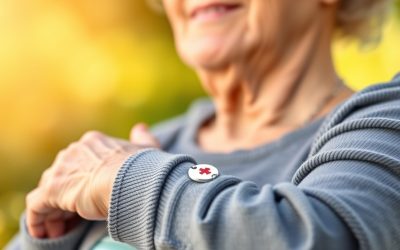
- Wearable Design: The device should be lightweight and comfortable enough to wear all day as a pendant, wristband, or clip, since a device left on the nightstand provides no protection.
- GPS Tracking: For seniors who go outdoors, GPS-enabled devices extend protection beyond the home and allow family to locate them in real time.
- Battery Life: Look for devices with at least 24-hour battery life, ideally longer, with low-battery alerts to prevent lapses in coverage.
Top Picks for Seniors
Medical Guardian MGMini Fall Detection Pendant
Medical Guardian is a leading medical alert brand, and their MGMini is a compact, lightweight cellular pendant with built-in automatic fall detection and GPS. It connects directly to their 24/7 monitoring center via 4G LTE without requiring a home base station. The rechargeable battery lasts up to 5 days, and the device is water-resistant for bathroom use — where many falls occur.
As an Amazon Associate we earn from qualifying purchases at no extra cost to you.



Bay Alarm Medical SOS Smartwatch
Bay Alarm Medical's SOS Smartwatch combines fall detection with a watch format seniors are comfortable wearing daily. It includes automatic fall detection, a help button, GPS tracking, and a 24/7 monitoring center connection. The watch face displays time and date, making it feel more like a personal accessory than a medical device — increasing the likelihood it will actually be worn.
Philips Lifeline GoSafe 2 Fall Detection System
Philips Lifeline is one of the most established names in medical alert systems. The GoSafe 2 uses six fall detection sensors and GPS positioning to provide highly accurate fall detection both at home and on the go. The pendant design is lightweight and water-resistant, and the monitoring center is available around the clock. Monthly subscription fees apply for monitoring services.
How Fall Detection Works
Fall detection devices use built-in sensors, typically accelerometers and motion detectors, to recognize the sudden change in movement that often signals a fall. When the device senses a likely fall, it automatically contacts a monitoring center or designated contacts even if the wearer cannot press the help button. This automatic response is the central benefit for people who live alone or are at higher risk of being unable to call for help after a fall, since timely assistance can make a meaningful difference.
It helps to understand both the strengths and limits of this technology. No system catches every fall; slow slides to the floor or falls from a seated position may not register, and certain everyday movements can occasionally cause a false alert. Well-designed devices minimize false alarms and provide a brief window to cancel an alert if the wearer is unharmed. Wearing the device consistently, including in the bathroom where many falls happen, is what allows fall detection to do its job in real life.
Choosing and Using the Right Device
When comparing devices, decide whether an in-home or mobile option fits the user’s lifestyle. In-home units work within range of a base station and suit people who are mostly at home, while mobile devices with cellular and GPS connectivity provide protection on walks, errands, and travel. Battery life, water resistance for shower use, comfortable wearability, and the reputation of the monitoring service all matter, along with any equipment and monthly monitoring costs.
Setting up and wearing the device properly is what makes it effective. Test it when it arrives, confirm emergency contacts and any medical details are entered correctly, and make sure the wearer understands the help and cancel features. Because the device only protects when worn, choosing a comfortable pendant or wristband that the user will keep on at all times is important. Families often do a monthly test together, and it is wise to pair the device with broader fall-prevention steps and a conversation with the user’s doctor about their specific risks.
Frequently Asked Questions
Does a fall detection device catch every fall?
No device detects all falls. It reliably flags many hard falls, but slow slides or falls from a seated position may not register. It works best alongside the manual help button, which can be pressed anytime.
What happens when a fall is detected?
The device automatically alerts a monitoring center or your chosen contacts, usually after a short pause that lets you cancel if unhurt. An operator then speaks with you and arranges help as needed.
Should the device be worn in the shower?
Since many falls happen in the bathroom, a water-resistant device meant for shower use should be worn there. Always confirm the specific model’s water-resistance rating first.
What is the difference between in-home and mobile devices?
In-home devices work within range of a base station and suit people mostly at home, while mobile devices use cellular and GPS to protect the wearer on walks, errands, and trips.
How can I make sure the device works?
Test it when it arrives and roughly once a month, keep it charged, confirm contact details are correct, and wear it consistently. Regular testing keeps the device and connection dependable.
Final Thoughts
A fall detection device is one of the most important safety investments a family can make for an elderly loved one who lives alone or is at elevated fall risk. Prioritize devices with proven automatic detection accuracy, 24/7 monitoring, and comfortable wearability. Consult with the senior's physician to identify their specific fall risk level and choose a monitoring plan accordingly.
Related Reviews & Guides



8 Best Weekly Pill Organizers for Seniors: Never Miss a Dose

Quick Picks: Best Pulse Oximeters for Home Monitoring at…