Last Updated: October 26, 2026
- Top Picks at a Glance
- Health Monitors and Wellness Aids Compared
- 1. OMRON Bronze Upper Arm Blood Pressure Monitor: Best Overall Monitor
- 2. Alcedo Blood Pressure Monitor: Best for Low Vision
- 3. CONTEC CMS50M Pulse Oximeter: Best Spot-Check Tool
- 4. AUVON Weekly Pill Organizer: Best Medication Helper
- 5. Carex Day-Light Classic Plus: Best Bright-Light Lamp
- 6. Modvel Compression Knee Sleeve (2 Pack): Best Joint Support Sleeve
- 7. Chirp Wheel+ 4 Inch Foam Roller: Best Neck and Back Comfort Tool
- Also Consider
- How We Chose
- Buying Guide: Choosing Monitors and Wellness Aids for Older Adults
- A Simple Daily Routine
- Which Tool Fits Which Situation?
- Setting Up the Home So the Tools Actually Get Used
- Frequently Asked Questions
- Which One Should You Buy?
- Sources
The best health monitors and wellness aids for seniors are the ones that are easy to read, easy to use every day, and honest about what they can and cannot do. For monitoring, the OMRON Bronze upper arm blood pressure monitor is our first pick for most households, with the Alcedo talking monitor as the better choice if screen size or vision is a concern, and the CONTEC fingertip pulse oximeter is the simplest spot-check tool. For daily wellness, the AUVON arthritis-friendly pill organizer and the Carex Day-Light lamp address two common needs: keeping track of medications and getting more bright light in short winter days. None of these devices diagnose or treat any condition, so use them to track trends and bring numbers to your doctor.
This guide is research-based. We did not personally use these products. We compared listing details, maker descriptions and guidance from health organizations, and wrote “not listed” wherever a detail was missing. Nothing here is medical advice. Ask a doctor, pharmacist or other qualified clinician before you act on readings or start any new routine, especially if you have a heart, lung or eye condition.

Rechargeable Hearing Aids for Seniors with Charging Case, Small in the Ear Hearing Assist Earbuds Noise Cancelling, Battery Status Display, Two-tone Design
Included for 'Home Health Monitors and Daily Wellness Aids for Seniors: Seven Picks' as a representative home product in this roundup; selection reflects the product set returned for this topic.
View on Amazon
Secure Safety Solutions Bed Exit Alarm for Elderly Adults - 12x30 Long-Term Weight Sensing Pad, 80-120 dB Monitor - Fall Prevention for Seniors, Dementia Patients, Alerts Caregiver When They Get Up
Included for 'Home Health Monitors and Daily Wellness Aids for Seniors: Seven Picks' as a representative home product in this roundup; selection reflects the product set returned for this topic.
View on Amazon
Vive Wireless Call Button - Emergency Alert System for Patients - Smart Portable Medical Panic Button - Notifies Nurse or Caretaker When Elderly Senior Needs Help - Perfect for Home Wander Prevention
Included for 'Home Health Monitors and Daily Wellness Aids for Seniors: Seven Picks' as a representative home product in this roundup; selection reflects the product set returned for this topic.
View on AmazonTop Picks at a Glance
- Best Overall Monitor: OMRON Bronze Upper Arm Blood Pressure Monitor.
- Best for Low Vision: Alcedo Blood Pressure Monitor with large LCD and talking function.
- Best Spot-Check Tool: CONTEC CMS50M Fingertip Pulse Oximeter.
- Best Medication Helper: AUVON Weekly Pill Organizer, arthritis friendly.
- Best Bright-Light Lamp: Carex Day-Light Classic Plus, 10,000 lux at 12 inches.
- Best Joint Support Sleeve: Modvel Compression Knee Sleeve, 2 pack.
- Best Neck and Back Comfort Tool: Chirp Wheel+ 4 inch Foam Roller.
Health Monitors and Wellness Aids Compared
| Product | Best for | Key specs | Watch for | Price tier |
|---|---|---|---|---|
| OMRON Bronze BP Monitor | Daily home blood pressure tracking | Upper arm cuff, listed as clinically validated, app connection listed | Cuff size must match the arm | Mid-range |
| Alcedo BP Monitor | Readers with low vision or hearing preference | Large LCD, talking function, 2×120 memory, cuff 8.7 to 16.5 in | Validation claims not listed in the title | Budget |
| CONTEC CMS50M Oximeter | Occasional SpO2 and pulse checks | LED fingertip, SpO2 and pulse rate, lanyard | Cold fingers and nail polish can affect readings | Budget |
| AUVON Weekly Pill Organizer | Daily medication routines | 7 day, spring open design, large compartments, BPA free | Not a substitute for pharmacy packaging advice | Budget |
| Carex Day-Light Classic Plus | Bright light on short days | 10,000 lux at 12 in, adjustable height and brightness, LED | Ask a doctor first if you have eye conditions | Premium |
| Modvel Knee Sleeve (2 pack) | Mild support during activity | 2 compression sleeves, size per maker chart | Not a medical brace; check the size chart | Budget |
| Chirp Wheel+ 4 in | Gentle neck and upper back massage | 4 inch foam roller wheel, mint | Start gently; stop if you feel pain | Mid-range |
1. OMRON Bronze Upper Arm Blood Pressure Monitor: Best Overall Monitor
- Type: upper arm cuff, automatic
- Listed as: clinically validated, with app connection
- Cuff range, memory and display size: not listed here
Best for: Keeping a regular log of blood pressure readings to share with a doctor. Skip if: Your arm does not fit the standard cuff range and a large cuff is needed.
Upper arm monitors are generally preferred over wrist monitors because the cuff sits at heart level more reliably. The American Heart Association recommends validated upper arm devices for home use. Omron is a long-established maker of home blood pressure monitors, and this model is listed as clinically validated, which matters more than any feature list.
Technique matters as much as the device. Sit with your back supported and feet flat on the floor, rest for about five minutes, keep your arm at heart level resting on a table, and avoid coffee, smoking or exercise for 30 minutes beforehand. Take two readings a minute apart in the morning and evening, and write them down or use the app if you want help with logging. Bring the monitor to your next appointment so your doctor can compare it with the clinic device.
Pros: Trusted brand; validated; logging help through the app; upper arm design. Cons: Cuff size must be checked; app connection is optional; spec details not listed in the title.
2. Alcedo Blood Pressure Monitor: Best for Low Vision
- Display: large LCD
- Voice: talking function
- Memory: 2 x 120 readings
- Cuff: large, 8.7 to 16.5 inches
- Power: batteries and USB cable included
Best for: Anyone who struggles to read small numbers or prefers to hear the result. Skip if: You need a model with a published clinical validation listed in the title.
The talking function reads the result aloud, which is helpful for people with low vision. The two memory banks of 120 readings each let two people in a household keep separate logs. The cuff range of 8.7 to 16.5 inches suits many adult arms; measure the midpoint of your upper arm with a soft tape before you buy, and if you are near the edge of the range, choose a different size.
Since the title does not state validation, it is reasonable to compare readings with your doctor’s device at the next visit. Many clinics are willing to check a home monitor against theirs.
Pros: Talking function; large screen; memory for two users; power options. Cons: Validation not stated in the title; voice volume details not listed; lesser-known brand.
3. CONTEC CMS50M Pulse Oximeter: Best Spot-Check Tool
- Type: LED fingertip pulse oximeter
- Measures: SpO2 and pulse rate
- Included: lanyard
- Battery type and display details: not listed here
Best for: A simple spot-check when a clinician has advised you to monitor oxygen saturation at home. Skip if: You expect it to diagnose or rule out a medical problem.
A fingertip oximeter is small, one-button, and portable. The device shows your SpO2, which is the estimated percentage of oxygen carried by your blood, and your pulse rate. Readings can be affected by cold hands, movement, nail polish, and poor circulation. The U.S. Food and Drug Administration has also noted that pulse oximeters can be less accurate in people with darker skin, so a single reading should never be used alone to make decisions.
For best results, rest and warm your hands, remove nail polish from the finger you use, keep your hand still at heart level, and wait for the number to settle. Contact a doctor for any concerns about breathing, and call emergency services for severe symptoms. Do not rely on the device to decide whether to seek care.
Pros: Compact and simple; lanyard; low learning curve; useful for tracking. Cons: Readings can vary; not diagnostic; display specs not listed.

CONTEC Pulse Oximeter, SpO2 & PR Value Blood Oxygen Monitor w/Lanyard | CMS50M LED Fingertip Pulse Oximeter, SpO2, PR & Blood Oxygen Saturation Monitor for Home, Sports & Travel White & Light Blue
Included for 'Home Health Monitors and Daily Wellness Aids for Seniors: Seven Picks' as a representative home product in this roundup; selection reflects the product set returned for this topic.
View on Amazon4. AUVON Weekly Pill Organizer: Best Medication Helper
- Design: 7 day weekly organizer, BPA free
- Opening: spring open design for easier access
- Compartments: large, listed to hold vitamins, supplements and medication
- Exact compartment size: not listed here
Best for: People with stiff hands who need a simple weekly sorting system. Skip if: You use medications that must be kept in original packaging or need special storage; ask your pharmacist.
A weekly organizer removes the daily question of whether you have taken your pills. The spring open design is meant to make lids easier to pop open, which can help people with arthritis. Fill the organizer once a week at a regular time, such as Sunday evening, and keep the original bottles in a safe place.
Ask your pharmacist whether any of your medicines should not be stored in a pill box, as some are sensitive to moisture or light. Keep the organizer away from children and pets, and discard any pills that look different from what you expect. A pharmacist can also offer blister packaging as an alternative.
Pros: Easy to open; large compartments; BPA free; low cost. Cons: Some medicines should stay in original bottles; weekly refilling needed; only one daily time slot in this version.
5. Carex Day-Light Classic Plus: Best Bright-Light Lamp
- Brightness: 10,000 lux at 12 inches
- Light: LED bright white, adjustable height and brightness levels
- Listed purpose: mood support through bright light
- UV filtering and size: not listed here
Best for: A living room or kitchen corner where you spend time in the morning during darker months. Skip if: You have an eye condition, bipolar disorder, or take medications that increase light sensitivity, unless your doctor approves it.
Light therapy lamps are commonly used in the morning for a set time, often about 20 to 30 minutes, positioned at the distance stated by the maker. This one is listed as 10,000 lux at 12 inches, which is a standard strength for such lamps. Do not look directly into the light; place it slightly to the side at eye level while you read or eat breakfast.
Mood and sleep concerns can have many causes, and a lamp is not a treatment for any condition. Talk with a doctor if you feel persistently low or have trouble sleeping. If the doctor recommends light therapy, this type of lamp is a common option and the adjustable brightness helps tailor the setup.
Pros: Standard 10,000 lux rating at a stated distance; adjustable height; adjustable brightness. Cons: Higher cost; takes up desk space; not suitable for everyone.

Carex Day-Light Classic Plus Sunlight Therapy Lamp - 10000 LUX Therapy Lamp at 12 Inches, LED Bright White Light with Adjustable Height and Brightness Levels for Mood, White
Included for 'Home Health Monitors and Daily Wellness Aids for Seniors: Seven Picks' because the listing lists an explicit depth/thickness, which is the attribute this article compares.
View on Amazon6. Modvel Compression Knee Sleeve (2 Pack): Best Joint Support Sleeve
- Quantity: 2 sleeves
- Type: compression knee sleeve for men and women
- Sizing: per the maker’s size chart
- Material and compression level: not listed here
Best for: Light support and warmth during walks, gardening or exercise. Skip if: You have swelling, a recent injury or circulation problems; speak with a doctor first.
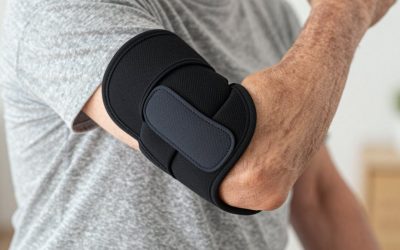
A compression sleeve provides gentle pressure and warmth around the knee. It is not a medical brace and does not treat or heal injuries. For older adults, a sleeve can be a simple, low-cost way to feel more supported during daily activities. A two-pack lets you rotate sleeves so one can be washed.
Sizing is the key. Measure around the knee at the point your maker’s size chart specifies, and choose the size that fits snugly but not tightly. If the sleeve leaves deep marks, causes numbness, tingling or discoloration, remove it and speak with a doctor.
Pros: Two sleeves per pack; easy to put on; washable; low cost. Cons: Not a medical device; sizing must be checked; compression level not listed.

Modvel Compression Knee Brace for Women & Men - 2 Pack Knee Brace for Running Knee Pain, Knee Support Compression Sleeve, Workout Sports Knee Braces for Meniscus Tear ACL & Arthritis Pain Relief
Included for 'Home Health Monitors and Daily Wellness Aids for Seniors: Seven Picks' as a representative home product in this roundup; selection reflects the product set returned for this topic.
View on Amazon7. Chirp Wheel+ 4 Inch Foam Roller: Best Neck and Back Comfort Tool
- Size: 4 inch wheel, mint
- Type: foam roller wheel for neck and back massage
- Weight limit and foam density: not listed here
Best for: A gentle self-massage tool for tight neck and upper back muscles. Skip if: You have osteoporosis, a spine condition, or recent injury, unless your doctor or physical therapist approves.
The 4 inch size is the smallest in the Chirp family and is intended for the neck and upper back. Lie on your back with the wheel under your upper back, support your head with a pillow or hands, and make small rolling movements. Keep sessions short and gentle, and stop if you feel sharp pain, numbness or dizziness.
Roller tools may help with comfort for some people, but they are not treatments. Ask a physical therapist to show you a safe routine if you have neck or back concerns. Place the roller on a firm surface, such as a mat on the floor, and get up slowly afterward.
Pros: Compact; reusable; simple; useful for gentle massage. Cons: Learning curve for positioning; floor work can be difficult for some people; not suitable for every condition.
Also Consider
- iHealth Track Smart Upper Arm Blood Pressure Monitor: A Bluetooth monitor with a wide-range cuff and phone app, good for people who prefer tracking on a phone.
- Zacurate 500 Series Fingertip Pulse Oximeter: A fingertip oximeter with silicone cover, batteries and lanyard, an alternative to the CONTEC model.
- Vicks SpeedRead Digital Thermometer: A color-coded digital thermometer that reads in about 8 seconds and works for oral, rectal or underarm use.
- Goodbaby No-Touch Thermometer: A non-contact forehead thermometer with a 35-reading memory and silent mode.
How We Chose
We began with the products on our list and kept those that fit the topic: simple home health monitors and daily wellness aids for older adults. We read each listing, noted the stated features, and compared them against guidance from the American Heart Association on home blood pressure monitoring, the U.S. Food and Drug Administration on pulse oximeters, and the Mayo Clinic on light therapy lamps. We did not personally use these products. One item from our original list, a two-pack extra large weekly pill organizer, could not be matched to a current listing, so we used the AUVON model instead, and the Chirp Wheel XR 4 inch could not be loaded, so we used the Chirp Wheel+ 4 inch. We marked all missing details as “not listed.”
Buying Guide: Choosing Monitors and Wellness Aids for Older Adults
Readability and sound
Look for large digits, high contrast and, where useful, a voice function. Buttons should be large enough for stiff fingers, and one-button operation reduces mistakes. A display that sits at a comfortable angle on a table is easier than one on a cuff.
Fit and sizing
Blood pressure cuffs, knee sleeves and fingertip sensors all depend on fit. Measure your upper arm circumference and compare it with the cuff range, which is commonly 8.7 to 16.5 inches for a large standard cuff. A cuff that is too small can read high, and one that is too large can read low.
Validation and honesty about limits
For blood pressure monitors, look for clinical validation listings and bring the device to your doctor to compare with their reading. Pulse oximeters are spot-check tools. Light lamps and compression sleeves are comfort products. None should replace medical advice.
Power and upkeep
Choose devices that use common batteries or an AC adapter, keep spare batteries on hand, and store devices in a dry place. Clean pill organizers weekly and wipe oximeter sensors with a soft cloth.
Where to start
Begin with the tools that match a specific need from your doctor, such as home blood pressure tracking. Add comfort and routine aids later, one at a time, so you can see what is actually used.
A Simple Daily Routine
- Morning: rest for five minutes, take two blood pressure readings, and note them in a log.
- With breakfast: sit near the light lamp for the time your doctor suggests, if advised.
- Take medications from the organizer at the planned time.
- Midday: take a short walk, and wear the knee sleeve if it helps.
- Evening: repeat blood pressure readings, and use the roller gently if your clinician agrees.
- Weekly: refill the organizer and bring your log to a doctor visit as scheduled.
Which Tool Fits Which Situation?
| Situation | Start with | Why | Ask a professional about |
|---|---|---|---|
| Doctor asked you to track blood pressure at home | OMRON Bronze | Validated upper arm device with optional logging | Target ranges and how often to measure |
| Small display is hard to read | Alcedo talking monitor | Large LCD and spoken results | Comparing readings with the clinic device |
| Breathing check recommended by a clinician | CONTEC CMS50M | Simple spot-check device | What numbers should prompt a call |
| Missed doses or confusion about pills | AUVON organizer | Weekly sorting with easy-open lids | Which medicines can go in a pill box |
| Short winter days, indoor routine | Carex Day-Light | Bright light with adjustable distance | Eye health, medications, mood concerns |
| Stiff knees during walks or gardening | Modvel sleeves | Light compression and warmth | Swelling, pain or injury |
| Tight neck after reading or screen time | Chirp Wheel+ 4 in | Gentle self-massage | Spine, bone density, or nerve concerns |
Setting Up the Home So the Tools Actually Get Used
The most common reason health tools go unused is that they live in a drawer. Give each item a fixed home near where it is used. Keep the blood pressure monitor on a small table next to a chair with back support, with the cuff already placed on top so the first step is easy. Place the pill organizer beside the kettle, coffee maker or breakfast spot, because pairing it with an existing habit makes it far more likely to be used. Keep the oximeter in a small case with a card that lists your doctor’s guidance on when to use it, and keep a notebook or large-print log sheet within reach to write readings. Put the lamp at a table where you already spend the morning, and use a plug timer if you tend to forget to switch it off.
Lighting and floor space matter too. Good overhead light helps you read displays and labels, and clear walkways reduce the risk of tripping on cords. Use a power strip with a switch for items that need mains power and tuck cables along the wall. Label each device with large print instructions for the household, and share the log with a family member or caregiver who can help spot changes. If vision or hand strength changes, revisit the choice of tools; a talking monitor or larger-button device may become more useful over time.
Finally, keep a short list of questions for each doctor’s visit and bring the devices if the clinic offers to check them. A five-minute comparison between your monitor and the clinic’s equipment is one of the best ways to build trust in your readings. Replace batteries on a schedule, such as when you change smoke detector batteries, and recycle old devices according to local guidelines.
Frequently Asked Questions
What home health monitors do seniors need most?
A validated upper arm blood pressure monitor is the most common recommendation. A thermometer and, if advised by a clinician, a pulse oximeter are useful additions.
Are wrist blood pressure monitors accurate?
They can be, but they are more sensitive to arm position. Many clinicians prefer upper arm monitors for home use.
Can a pulse oximeter diagnose a problem?
No. It gives an estimate that can be affected by many factors. Talk to a doctor about any breathing concern, and get emergency help for severe symptoms.
How do I choose the right cuff size?
Measure around the middle of your upper arm and compare it with the cuff range printed on the product page. If you are between sizes, ask your pharmacist or doctor.
Is a light therapy lamp safe for everyone?
Not necessarily. People with eye conditions or certain medical conditions or medications should ask a doctor first.
How often should I check my blood pressure at home?
Follow your doctor’s advice. A common approach is two readings in the morning and two in the evening for a week before an appointment.
Are pill organizers safe for all medications?
Not always. Some medications must stay in original packaging, so ask your pharmacist.
Which One Should You Buy?
If you buy only one item, choose the OMRON Bronze monitor for tracking blood pressure, or the Alcedo if a talking function would help. Add the AUVON pill organizer to keep medications on schedule. Choose the CONTEC oximeter only if a clinician has recommended spot checks. The Carex lamp, Modvel sleeves and Chirp wheel are comfort aids that suit specific needs, so buy them only after talking with a doctor if you have a related condition.
Sources
- American Heart Association, guidance on home blood pressure monitoring
- U.S. Food and Drug Administration, pulse oximeter safety communication
- Mayo Clinic, light therapy information
- OMRON Healthcare and Carex product information pages
- Product listing details for Alcedo, CONTEC, AUVON, Modvel and Chirp
Last updated: October 2026
Related Reviews & Guides



10 Best Travel CPAP Machines for Seniors

4 Best Pill Organizers for Blood Thinner and Warfarin Users