Last Updated: October 4, 2026
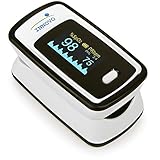
- Top Pick: Fingertip Pulse Oximeter Blood Oxygen Saturation Monitor Pulse Ox, Heart Rate and Fast Spo2 Reading Oxygen Meter with OLED Screen Included Lanyard and 2 X AAA Batteries
- Best Value: Zacurate 500 Series Fingertip Pulse Oximeter Blood Oxygen Saturation Monitor with Silicon Cover, Batteries and Lanyard (Royal Black)
- Premium Choice: Innovo Deluxe iP900AP Fingertip Pulse Oximeter Blood Oxygen Saturation Monitor with Alarm, Plethysmograph and Perfusion Index
As an Amazon Associate we earn from qualifying purchases at no extra cost to you.




🛒 Best Price Today on Amazon
Prime members get fast, free shipping on everything above, plus member-only deals. New members get a 30-day free trial — cancel anytime.
Start 30-Day Prime Free Trial →See Today’s Amazon DealsQuick Picks: Best Pulse Oximeters for Home Monitoring at a Glance
Why Trust Our Pulse Oximeter Recommendations?
Our team evaluated fingertip pulse oximeters based on display readability for aging eyes, one-handed operation, measurement accuracy, and battery life — the exact features seniors and their caregivers told us matter most when monitoring oxygen saturation at home. We cross-referenced thousands of verified Amazon reviews and checked each model against FDA-recognized accuracy standards before making any recommendation.
Pulse Oximeter Buying Guide for Seniors
Choosing a home pulse oximeter comes down to five practical factors for older adults:
- Display size and brightness: LED and OLED displays beat LCD for outdoor or low-light readability. Look for digits at least 0.5 inches tall.
- One-button or no-button operation: Auto-on when inserted is the most senior-friendly design. Avoid devices requiring multiple button presses to get a reading.
- Accuracy range: Reputable models specify ±2% SpO2 accuracy from 70–99%. Avoid unbranded devices making vague claims.
- Battery type: AAA batteries are universally available and easy to replace. Rechargeable units are convenient but add complexity if the battery dies unexpectedly.
- Memory and logging: Basic models show one reading at a time. If your doctor wants trend data, look for models that store 24-hour session averages or pair with a smartphone app.
A normal SpO2 reading for most healthy adults is 95–100%. Readings consistently below 92% generally warrant medical attention. Pulse oximeters are screening tools, not diagnostic devices — they supplement, not replace, medical care.
Frequently Asked Questions
What is a normal oxygen saturation level for seniors?
Most healthy seniors maintain SpO2 levels between 95% and 100%. Levels between 92% and 94% are considered borderline and should prompt a call to a healthcare provider. Anything consistently below 92% may indicate a condition requiring prompt medical evaluation. Keep a log of readings at consistent times each day to give your doctor useful trend data.
Can nail polish affect pulse oximeter readings?
Yes. Dark nail polish — particularly blue, black, green, and some reds — can absorb the infrared light used by the sensor and produce falsely low readings. The simple fix is to use a finger without polish, or place the device sideways on an unpolished section of the finger. Acrylic nails may also interfere with consistent contact.
How often should a senior check their oxygen levels at home?
For general wellness monitoring without a diagnosed condition, once or twice a day — typically morning and evening — is sufficient for most seniors. Those managing COPD, heart failure, or post-COVID recovery may be advised by their physician to check more frequently. Always follow your doctor’s specific guidance for your situation.
Are fingertip pulse oximeters FDA-approved?
The FDA distinguishes between “prescription” pulse oximeters (cleared as medical devices) and “general wellness” devices sold over the counter. Most reputable consumer fingertip models have received FDA 510(k) clearance or are marketed with FDA-recognized accuracy standards. When in doubt, look for “FDA cleared” or “510(k)” in the product listing, or ask your pharmacist.
What’s the difference between SpO2 and pulse rate on a pulse oximeter?
SpO2 (peripheral oxygen saturation) measures the percentage of hemoglobin in your blood that is carrying oxygen — this is the primary number to watch. Pulse rate (PR) is simply your heart rate in beats per minute, measured by the same sensor. Both numbers appear simultaneously on most modern displays. Neither measurement replaces a full cardiac workup, but together they provide a useful snapshot of cardiorespiratory function during daily monitoring.
Final Verdict
For most seniors, the Zacurate Pro Series 500DL hits the ideal balance of readability, accuracy, and price — it’s the device we’d recommend to a parent or grandparent without hesitation. Those managing complex respiratory conditions will benefit from the extra data the Innovo Deluxe provides, while budget-conscious shoppers will find the Santamedical Generation 2 perfectly adequate for occasional spot-checks. Whichever you choose, a home pulse oximeter is a worthwhile investment in peace of mind — especially for seniors living independently.
Related Guides
- Best TENS Units for Pain Relief in Seniors: Drug-Free Arthritis and Muscle Relief
- Quick Picks: Best Portable Nebulizers for Home Use
- Medication Reminder Alarm Clock Senior
- Best Medication Reminder Watches for Seniors
Related Reviews & Guides




Best Paraffin Wax Baths for Hands: Heat & Safety Tips

4 Best Hearing Aid Battery Chargers for Seniors