Last Updated: October 4, 2026
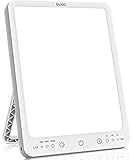
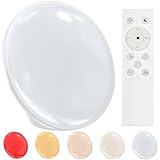
- Top Pick: SUXIO Light Therapy Lamp – 10000 Lux Therapy Light, 3 Timing & Mode Happy Lamp, Touch Control Daylight Lamp with Memory Function, Portable Light Therapy Box for Home/Office Use As Lift Mood
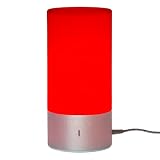
- Best Value: 670nm Red Light Therapy Sleep Device & 10,000 Lux Sun Lamp, Sunlight Lamp
- Premium Choice: Free2Glow 40Hz Therapy Light Bulb – Improve Focus, Memory & Mood for Seniors – Easy to Use | 85–265V Wide Voltage | E26 Base| 6000K Daylight | No Headache | Easy Daily Use
If darker months leave an older adult feeling sluggish, low, or out of sync with their sleep schedule, a light therapy lamp for seniors may help. These devices deliver bright, full-spectrum light that mimics natural daylight, and they are widely used to support mood and a healthy circadian rhythm. In this guide we explain how light therapy works, what to look for when shopping, and round up five popular lamps that are well suited to older adults living at home.
Light therapy is generally considered safe, but it is not a replacement for medical care. If you or a loved one is experiencing persistent low mood, sleep problems, or symptoms of seasonal affective disorder, please talk with a doctor before starting any new routine.
As an Amazon Associate we earn from qualifying purchases at no extra cost to you.




How Light Therapy Lamps Work
A light therapy lamp, sometimes called a SAD lamp, sun lamp, or light box, produces bright light measured in lux. Clinical light therapy typically uses a brightness of about 10,000 lux at a comfortable viewing distance. The light enters the eyes indirectly and signals the brain to adjust the production of hormones tied to mood, alertness, and the sleep-wake cycle.
For many people the timing matters as much as the brightness. Morning sessions of roughly 20 to 30 minutes are most commonly recommended, because morning light helps reinforce a steady internal clock. The person does not stare directly into the lamp; instead it sits off to the side while they read, eat breakfast, or do another quiet activity.
Why Light Therapy Can Matter for Older Adults
Seniors are often more vulnerable to the effects of reduced light exposure. Mobility limitations, shorter winter days, and more time spent indoors can all reduce the amount of natural daylight a person receives. Age-related changes in the eyes can also mean that less light reaches the retina, so a bright, dedicated lamp can help bridge that gap.
Older adults who use a light therapy lamp often report that it helps them feel more awake during the day and more settled at night. Supporting a consistent daily rhythm can also be helpful for people living with memory changes, who may experience restlessness or confusion in the late afternoon and evening.
What to Look For When Choosing a Lamp
Brightness and Distance
Look for a lamp that can deliver around 10,000 lux at a stated distance. The closer you sit, the more intense the light, so check the manufacturer’s guidance on how far away to place it for the recommended brightness.
UV Protection
Choose a UV-free lamp. The therapeutic benefit comes from visible light, not ultraviolet rays, and a UV-free design protects the skin and eyes.
Ease of Use
For seniors, simple controls make a real difference. Large buttons, an adjustable stand, a built-in timer, and adjustable brightness levels all help make the daily routine comfortable and consistent. A stable base and a screen that is easy to position are also worth prioritizing.
Size and Placement
A larger illuminated surface area generally makes it easier to benefit from the light without sitting in one exact spot. Consider where the lamp will live, whether that is a kitchen table, a favorite reading chair, or a desk.
Five Light Therapy Lamps Worth Considering
The lamps in the box above were chosen because they are widely available, easy to operate, and offer the bright, UV-free light most people look for. They range from trusted long-established brands to compact, budget-friendly options.
Verilux HappyLight Lumi Plus
Verilux is one of the most established names in light therapy. The HappyLight Lumi Plus offers 10,000 lux of UV-free light with adjustable brightness, a countdown timer, and a detachable stand, making it a flexible all-around pick.
Carex Day-Light Classic Plus
The Carex Day-Light Classic Plus is a larger lamp designed to deliver clinical-strength light at a comfortable distance, with an adjustable height and tilt that many users find easy to position.
Carex Day-Light Elite
The Day-Light Elite is a refined version in the same family, offering a generous light surface and adjustable settings for those who want a fuller-featured lamp.
Carex Day-Light Sky
The Day-Light Sky is another option from Carex built around a broad illumination area, which can make daily sessions feel more comfortable.
SUXIO Light Therapy Lamp
For a more compact and portable choice, the SUXIO lamp offers touch controls, multiple brightness modes, a timer, and a memory function. Its smaller footprint makes it easy to move from room to room.
How to Use a Light Therapy Lamp Safely
Start with shorter sessions and build up gradually. Place the lamp at the distance the manufacturer recommends, off to one side rather than directly in front of the eyes. Morning use tends to work best, and keeping the timing consistent each day helps the body settle into a rhythm.
Some people are advised to be cautious with bright light therapy, including those with certain eye conditions, skin sensitivities, or bipolar disorder. This is why it is important to check with a doctor first. If any new eye discomfort, headaches, or agitation appear, stop and seek medical advice.
Frequently Asked Questions
How long should a senior use a light therapy lamp each day?
A common recommendation is about 20 to 30 minutes per day, usually in the morning. Follow the guidance that comes with your specific lamp, and ask a doctor what makes sense for your situation.
Are light therapy lamps safe for the eyes?
Quality UV-free lamps are designed to be used safely without staring directly into the light. Anyone with an existing eye condition should check with an eye doctor before starting.
Can a light therapy lamp help with sleep?
Bright morning light can help reinforce a healthy sleep-wake cycle, which may support better sleep at night for some people. Results vary from person to person.
Do light therapy lamps replace medication or therapy?
No. A light therapy lamp is a supportive tool, not a treatment for depression or any medical condition. Always follow your doctor’s advice and never stop prescribed treatment without medical guidance.
What brightness should I look for?
Look for a lamp rated at about 10,000 lux at a specified distance, which is the level most commonly used for light therapy.
Final Thoughts
A well-chosen light therapy lamp can be a simple, low-effort way to bring more brightness into an older adult’s day, especially during darker seasons. Focus on a UV-free design, around 10,000 lux, and senior-friendly controls. For related comfort and wellness ideas around the home, you may also find these guides helpful:
- Weighted Blanket for Seniors and Anxiety
- Best Memory Care Games for Seniors
- Best Night Light Sensor for Seniors
- Senior Vitamin D3 Supplement Guide
- Best Exercise Bike for Seniors
- Best Foot Massagers for the Elderly
- Best Hospital Beds for Home Use
This article is for general information only and is not medical advice. Consult your doctor before beginning light therapy.
Related Reviews & Guides



Quick Picks: Best Adjustable Bed Wedge Pillows for…
11 Best Digital Thermometers for Elderly: Fast & Accurate