Last Updated: September 7, 2026
Why Home Blood Pressure Monitoring Matters for Seniors
High blood pressure is one of the most common health conditions among older adults, and monitoring it regularly at home can be a life-saving habit. Home blood pressure monitors allow seniors to track their readings between doctor visits, catch dangerous spikes early, and share accurate data with their healthcare providers. Today's home monitors are accurate, easy to use, and no longer require a trip to the pharmacy or clinic.
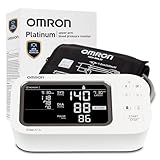
1. Omron Platinum Blood Pressure Monitor (Upper Arm)
The Omron Platinum is widely regarded as the gold standard for home blood pressure monitoring. It stores up to 200 readings per user (for two users), detects irregular heartbeats, and uses Omron's proprietary TruRead technology to take three consecutive readings and display the average — the clinical standard. It syncs with the Omron Connect app for trend tracking. Validated and recommended by hypertension associations worldwide.
As an Amazon Associate we earn from qualifying purchases at no extra cost to you.




2. Withings BPM Connect Wi-Fi Smart Blood Pressure Monitor
For tech-savvy seniors or those with caregivers monitoring remotely, the Withings BPM Connect is exceptional. It automatically syncs readings via Wi-Fi or Bluetooth to the Health Mate app, where family members or physicians can view trends. The cuff inflates automatically and the large color-coded display makes readings immediately clear. Clinically validated and approved by the European Society of Hypertension.
3. Greater Goods Blood Pressure Monitor Cuff Kit
Greater Goods offers an excellent entry-level monitor that does not sacrifice accuracy. The kit includes a wide-range cuff, a carrying case, and a data sheet for recording readings manually. The large backlit display is easy to read, and the auto-inflate cuff ensures consistent pressure. It stores 60 readings and is battery-operated for portability. A great value for seniors on a fixed budget.
Buying Guide: Selecting the Best Home Blood Pressure Monitor
- Arm vs. wrist: Upper arm monitors are more accurate; wrist monitors are more portable but require correct positioning.
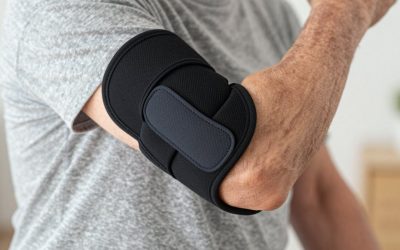
- Cuff size: Measure your arm circumference and choose an appropriately sized cuff — wrong size = wrong readings.
- Memory storage: Look for at least 60 stored readings; dual-user storage is ideal for couples.
- Validation: Choose clinically validated devices — look for validation by the American Medical Association or ESH.
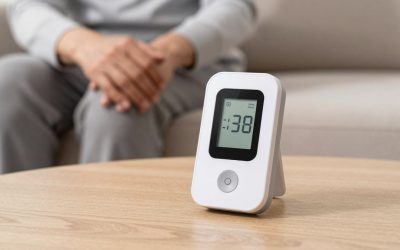
- Display size: Large, high-contrast displays are critical for seniors with vision changes.
- App connectivity: Bluetooth or Wi-Fi sync allows sharing data with doctors between appointments.
What to Look For in a Home Blood Pressure Monitor
The most important quality in a home blood pressure monitor is accuracy, so look for a device that has been clinically validated and uses an upper-arm cuff, which generally gives more reliable readings than wrist models. A properly sized cuff is essential, since one that is too small or too large can distort results; many people benefit from checking their arm circumference against the cuff’s size range before buying. A large, clearly lit display makes readings easy to see for those with vision changes.
Ease of use matters for consistent monitoring. One-button operation, automatic inflation, and simple controls help seniors take readings without frustration. Memory storage that logs past readings, ideally for more than one user, makes it easier to track trends and share results with a doctor. Some monitors connect to a smartphone app or store readings for averaging, which can be convenient, though the core priority remains a validated, well-fitting, easy-to-read device that the user will be comfortable using every day.
Getting Accurate Readings at Home
How you take a reading is just as important as the device itself. For the most reliable results, sit quietly for about five minutes beforehand, with your back supported, feet flat on the floor, and legs uncrossed. Rest the arm on a table so the cuff is at roughly heart level, and avoid caffeine, exercise, or smoking in the half hour before measuring. Staying still and not talking during the reading helps prevent falsely high numbers.
Consistency improves the usefulness of home monitoring. Taking readings at the same times each day, such as morning and evening, and recording them in a log or the device’s memory gives a clearer picture than occasional checks. Taking two readings a minute apart and noting both is a common recommendation. Home monitoring is a helpful tool, but it does not replace professional care: share your log with your doctor, and contact a healthcare provider promptly if readings are unusually high or low, or if you feel unwell. Your provider can confirm proper technique and interpret what your numbers mean for you.
Related Guides
- Best Omron IntelliSense Blood Pressure Monitors Reviewed
- Best Smart Pill Organizer with App for Seniors in 2026
- Best Smart Home Devices for Elderly Parents: Safety and Accessibility
Frequently Asked Questions
Are upper-arm or wrist monitors more accurate?
Upper-arm cuff monitors are generally considered more accurate and are widely recommended for home use. Wrist monitors can work if used precisely at heart level, but they are more sensitive to position, so many people prefer upper-arm models.
Why does cuff size matter?
A cuff that is too small or too large can produce inaccurate readings. Measure your upper-arm circumference and match it to the cuff’s stated size range so the device fits properly and gives reliable numbers.
What time of day should I check my blood pressure?
Many people measure in the morning before medication and again in the evening, taking readings at consistent times. Sit quietly for a few minutes first, and record the results to share with your doctor.
How many readings should I take?
A common approach is to take two readings about a minute apart and note both, ideally at the same times each day. Your doctor can advise how often to measure based on your health.
Does a home monitor replace seeing my doctor?
No. A home monitor helps track trends between visits, but it does not replace professional care. Share your readings with your doctor, and seek medical advice promptly if numbers are unusually high or low or you feel unwell.
Final Thoughts
A reliable blood pressure monitor for home use empowers seniors to take charge of their cardiovascular health. Regular monitoring, combined with lifestyle changes and medication adherence, can significantly reduce the risk of heart attack and stroke. Choose a clinically validated monitor that fits your lifestyle, and make checking your blood pressure a daily habit.
Related Reviews & Guides



Quick Picks: Best Senior Pill Organizer Weekly Dispensers

Senior Fitness Tracker Heart Rate