Last Updated: October 9, 2026
Introduction
GPS trackers for elderly adults give families real-time peace of mind, particularly for seniors with dementia, Alzheimer's, or a habit of wandering. These devices allow caregivers to monitor location at any time, set safe-zone alerts, and receive SOS notifications when the senior needs help. Here are the most important features and the top models available.
Key Features to Look For
- Real-Time Tracking: The best GPS trackers update location every 30 to 60 seconds, providing an accurate and current picture of where the senior is at all times.
- Geofencing: Geofencing allows caregivers to set a virtual boundary; if the senior leaves the defined area, an automatic alert is sent to the caregiver's phone.
- SOS Button: A prominent, easy-to-press emergency button lets the senior call for help with a single press, sending their location to family members immediately.
- Two-Way Communication: Some devices include a speaker and microphone so the senior can speak directly with the caregiver after pressing the SOS button.
- Battery Life: Look for at least 24 to 48 hours of battery life; some devices offer low-power standby modes for extended coverage.
Top Picks for Seniors
AngelSense GPS Tracker for Seniors with Dementia
AngelSense is specifically designed for seniors with cognitive impairments. It offers real-time GPS updates every 10 seconds, geofencing with instant alerts, two-way voice communication, and a tamper-resistant design that prevents removal. The companion app provides a clear timeline of the senior's daily movements, and the monitoring center offers professional support. A monthly subscription is required.
As an Amazon Associate we earn from qualifying purchases at no extra cost to you.


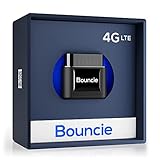


Jiobit GPS Tracker for Elderly
Jiobit offers a compact, lightweight GPS tracker that can be clipped to clothing, attached to a lanyard, or worn in a pocket. It uses multi-network tracking (GPS, WiFi, Bluetooth, and LTE) for accurate indoor and outdoor location. The long battery life of up to 7 days and geofencing alerts make it an excellent everyday option for active seniors who frequently go out independently.
MedicAlert GPS Smartwatch for Seniors
MedicAlert's GPS smartwatch combines location tracking with medical ID information, which is invaluable if first responders find the senior disoriented or unconscious. It includes real-time GPS, geofencing, an SOS button, two-way calling, and heart rate monitoring. The watch design encourages daily wearing, and the monthly plan includes 24/7 monitoring center support.
Choosing a GPS Tracker for an Older Loved One
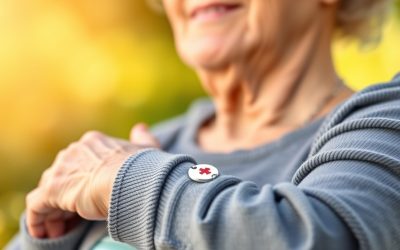
GPS trackers give families reassurance by showing a loved one’s location, which is especially helpful when a senior is prone to wandering or simply lives independently and travels alone. Devices come in several forms, including wearable watches, small clip-on or pendant trackers, and units that tuck into a bag or pocket. When choosing, consider how the device is worn and whether the user will keep it on consistently, since a comfortable, familiar form factor like a watch tends to be used more reliably. Battery life is a major practical concern, as a tracker is only useful when charged, so look for a model whose battery lasts through a typical day and is easy to recharge. Most trackers rely on a cellular connection, so check coverage and any monthly service fee.
Features That Add Peace of Mind
Beyond basic location, several features make trackers genuinely useful for senior care. Geofencing lets families set safe zones and receive an alert if the wearer leaves a defined area, which can provide early warning if someone with memory changes wanders. An SOS or help button allows the user to summon family directly, and two-way calling on some devices lets a caregiver check in by voice. Water resistance protects the device during daily wear, and a simple, snag-free design avoids drawing unwanted attention. Set up and test the alerts together with the user when possible, and have an honest conversation about location sharing, since respecting a loved one’s dignity and consent is an important part of using these tools well.
Setting Up and Testing the Tracker Together
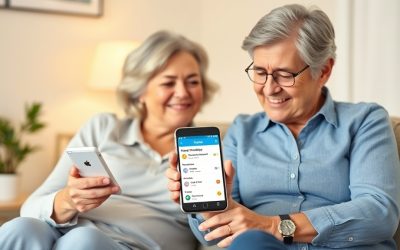
A GPS tracker only delivers peace of mind when it is set up thoughtfully and proven to work. Walk through the setup with the user when possible, charging the device fully, adding family contacts, and defining any safe zones for geofence alerts. Then test it in real conditions: confirm that location updates appear, that an SOS or help button reaches the right people, and that any two-way calling is clear. Decide who in the family receives alerts so notifications are not missed or duplicated. Build charging into a daily routine, such as overnight on a bedside dock, so the tracker is never caught with a dead battery during the day. Revisit the contacts and safe zones periodically as routines change. Approached as a shared tool rather than something imposed, the tracker becomes a source of reassurance for the whole family while respecting the senior’s independence.
Related Guides
- Quick Picks: Best Medical Alert Systems with Fall Detection
- Quick Picks: Best Pill Crushers and Splitters for Seniors
- Omron Blood Pressure Monitor: Top Models Reviewed for Seniors
- Quick Picks: Best Blood Pressure Monitors for Seniors
Frequently Asked Questions
What types of GPS trackers are available for seniors?
Common forms include wearable watches, small clip-on or pendant trackers, and units that tuck into a bag or pocket. A comfortable, familiar form factor like a watch tends to be worn most consistently.
How does geofencing help?
Geofencing lets families set safe zones and receive an alert if the wearer leaves a defined area. This can provide early warning if someone with memory changes wanders beyond a familiar location.
How long do the batteries last?
Battery life varies, and a tracker only helps when charged. Look for a model whose battery lasts through a typical day and is easy to recharge so it stays reliable.
Do GPS trackers need a monthly fee?
Most rely on a cellular connection and may carry a monthly service fee. Check coverage in the areas where the senior travels before choosing a device.
How do I respect my loved one’s privacy?
Have an honest conversation about location sharing and, when possible, set up the device together. Framing it as a tool for safety and independence helps preserve a loved one’s dignity and consent.
Final Thoughts
A GPS tracker for elderly adults is an investment in safety and peace of mind for the entire family. For seniors with dementia or a history of wandering, real-time location updates and geofencing alerts are non-negotiable features. Discuss the use of a GPS device with the senior's physician and, where the senior has capacity, involve them in the decision to maintain dignity and trust.
Related Reviews & Guides


Senior Fall Detection Alert Watch
11 Best Senior Emergency Button Pendants: Safety Alerts That Could Save a Life