Last Updated: October 4, 2026
Monitor Your Heart Health Conveniently at Home
Tracking blood pressure at home is a cornerstone of senior cardiovascular health management. A wrist blood pressure monitor offers a compact, portable alternative to upper-arm models, making it ideal for travel, use at a desk, or for those who find upper-arm cuffs uncomfortable. With clinically validated accuracy in modern models, wrist monitors are now a reliable choice for everyday monitoring.
The key benefit of wrist monitors is their ease of use — no need to remove a shirt sleeve, and readings can be taken anywhere. For seniors managing hypertension or heart conditions, having a device that encourages frequent, consistent monitoring is itself a health benefit.
As an Amazon Associate we earn from qualifying purchases at no extra cost to you.


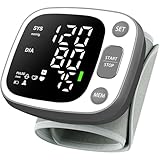


1. Omron Gold Wrist Blood Pressure Monitor
The Omron Gold (BP6000) is one of the most clinically validated wrist monitors available. It stores up to 60 readings with date and time stamps, features Omron’s TruRead technology that automatically takes three consecutive readings one minute apart and reports the average, and connects to the Omron Connect app for trend tracking. Compact and travel-friendly.
2. Greater Goods Wrist Blood Pressure Monitor
Greater Goods offers a user-friendly wrist monitor with a large backlit display that is easy to read for seniors. It stores 60 readings per user and supports two users. The cuff fits wrists 5.3 to 8.5 inches and meets the accuracy validation criteria of the British Hypertension Society. A portion of each sale goes to charitable medical causes.
3. Beurer BC 57 Bluetooth Wrist Blood Pressure Monitor
The Beurer BC 57 pairs via Bluetooth to the Beurer HealthManager app, allowing unlimited reading storage and long-term trend analysis. It features an arrhythmia detection indicator and cuff-positioning sensor to ensure accurate placement. The large display clearly shows systolic, diastolic, and pulse readings simultaneously.
Buying Guide: What to Consider When Buying a Wrist Monitor
- Clinical validation: Look for models validated by AHA, BHS, or ESH standards.
- Cuff fit: Measure your wrist circumference and compare to the device’s listed range.
- Positioning guidance: Correct wrist position is critical — monitors with positioning sensors reduce user error.
- Memory capacity: 60+ readings is ideal for tracking trends over time.
- App connectivity: Bluetooth models allow unlimited digital storage and sharing with doctors.
- Display readability: Large, backlit digits are essential for seniors with vision challenges.
- Irregular heartbeat detection: A valuable feature for catching atrial fibrillation episodes.
What to Look for in a Wrist Blood Pressure Monitor
A wrist blood pressure monitor offers a compact, convenient way to track readings at home, and a few features make one more useful than another. A clear, large display is easier to read, and memory storage that saves past readings helps track trends over time. Look for a comfortable cuff that fits the wrist properly, since fit affects accuracy. Some monitors include an indicator that confirms the arm and wrist are positioned correctly, which is a genuinely helpful feature for consistent results.
Accuracy and ease of use are the priorities for seniors. Choose a model validated for accuracy and simple to operate with one-button measurement, and consider Bluetooth or app connectivity if a family member helps track results. Multi-user memory is handy in shared households. Keep in mind that wrist monitors can be more sensitive to body position than upper-arm models, so the device’s positioning guidance is important for trustworthy readings.
How to Get Accurate Readings at Home
Technique strongly affects blood pressure readings, especially with wrist monitors. Sit quietly for about five minutes before measuring, with your back supported, feet flat on the floor, and legs uncrossed. Rest your arm so the wrist monitor is level with your heart, which often means supporting the elbow on a table and bringing the wrist up to chest height. Stay still and avoid talking during the measurement, since movement and conversation can skew the result.
Consistency makes the numbers meaningful. Take readings at the same times each day, avoid caffeine, exercise, and smoking beforehand, and record the results to share with a doctor. A single high reading is not a diagnosis; patterns over time are what matter. Home monitoring is a helpful tool, but it does not replace professional care, so discuss your readings and any concerns about blood pressure or medication with a healthcare provider rather than making changes on your own.
Why Home Monitoring Matters for Seniors
Tracking blood pressure at home gives seniors and their doctors a fuller picture than occasional office visits alone. Readings taken in a familiar setting avoid the temporary spikes some people experience at the clinic, and a record gathered over days and weeks reveals patterns that a single measurement cannot. This is especially useful for managing a known condition, where consistent numbers help a doctor judge how well a treatment plan is working. A convenient wrist monitor encourages regular checks because it is quick and easy to use. The information is only valuable when shared, so bring your log to appointments and report unusual or persistently high readings. Home monitoring supports care and conversation with your doctor, but it does not replace professional evaluation or any decision about medication.
Frequently Asked Questions
Are wrist blood pressure monitors accurate?
They can give reliable readings when used correctly, but they are more sensitive to position than upper-arm models. Keep the wrist at heart level and stay still for the best results.
How should I position my arm for a wrist monitor?
Rest your elbow on a table and raise the wrist so the monitor is level with your heart. Sit with back supported and feet flat, and avoid moving or talking.
How often should seniors check their blood pressure?
This depends on individual health needs. Many people take readings at consistent times each day. Follow your doctor’s guidance on frequency and recording results.
Why do my readings vary between measurements?
Blood pressure naturally fluctuates with activity, position, stress, and time of day. Trends over many readings matter more than any single number.
Can a home monitor replace doctor visits?
No. Home monitoring is a useful supplement that helps track trends, but it does not replace professional evaluation, diagnosis, or medication decisions by a doctor.
Final Thoughts
A wrist blood pressure monitor gives seniors the freedom to check readings anywhere, anytime. When used consistently and correctly — with wrist at heart level — validated models deliver accurate results comparable to upper-arm units. The three picks above range from app-connected advanced models to straightforward large-display options. Choose based on how tech-comfortable you are and whether you want digital trend tracking.
Related Reviews & Guides




Hearing Amplifier for Seniors: Complete Buyer’s Guide (2026)
10 Best Fall Detection Devices for Seniors: Automatic Alerts That Save Lives