Last Updated: October 9, 2026
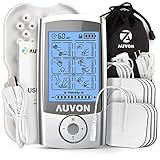
- Top Pick: AUVON 24 Modes TENS Unit Muscle Stimulator for Pain Relief, Premium Pads
- Best Value: TENS 7000 Digital TENS Unit with Accessories – Muscle Stimulator Machine for Back Pain Relief, Sciatica, Neck, Nerve, Shoulder, Hip, Elbow, Muscle Pain Relief
- Premium Choice: AUVON 3-in-1 TENS Unit Muscle Stimulator, 40 Levels for Gradual Pain Relief
Introduction
Transcutaneous Electrical Nerve Stimulation (TENS) units are small, portable devices that use mild electrical impulses to interrupt pain signals and stimulate the release of endorphins. They are widely recommended by physical therapists for managing chronic pain from arthritis, sciatica, knee pain, and lower back conditions without relying on medication. For seniors seeking a drug-free pain management option, a TENS unit can be a valuable daily tool.
Key Features to Look For
- Safety: FDA-cleared units with built-in intensity limits and automatic shut-off timers protect against overuse. Ensure the device is not used near pacemakers or on broken skin without medical guidance.
- Ease of Use: Large buttons, a clear digital display, and pre-programmed pain settings reduce the learning curve for seniors. Units that come with a carrying case and pre-cut electrode pads are ready to use immediately out of the box.
- Comfort: Dual-channel units allow simultaneous treatment of two body areas. Self-adhesive reusable electrode pads that stick firmly yet remove gently are gentler on older, more sensitive skin.
Top Picks for Seniors
TENS 7000 Digital TENS Unit
The TENS 7000 is one of the most recommended OTC TENS devices, offering adjustable intensity across eight modes and four pre-set programs designed for various pain types. The digital display is easy to read, and the device supports dual-channel treatment for larger pain areas. It runs on AAA batteries for convenience and comes with four self-adhesive electrode pads, a lead wire set, and a carry pouch. Its straightforward controls make it very senior-friendly.
As an Amazon Associate we earn from qualifying purchases at no extra cost to you.



iReliev TENS + EMS Combination Unit
The iReliev Combination Unit offers both TENS for pain relief and EMS (Electrical Muscle Stimulation) for muscle conditioning—useful for seniors working to maintain muscle tone. With 14 programs and eight intensity levels, it provides extensive customization. The compact, backlit unit is easy to read in low light, and the included carrying case makes it travel-friendly for active seniors. Replacement pads are affordable and widely available.
Omron ElectroTHERAPY Pain Relief Device
The Omron ElectroTHERAPY unit is a trusted brand name in senior health technology, offering three modes: low-frequency TENS, high-frequency TENS, and a combination mode. The simple panel with clearly labeled buttons makes it accessible for seniors with cognitive changes, and the compact size fits in a purse or pocket. Omron's large self-adhesive pads are comfortable on aging skin and can be reused up to 150 times.
How TENS Units Work and Who They May Help
A TENS unit, short for transcutaneous electrical nerve stimulation, delivers mild electrical pulses through pads placed on the skin, which many people find provides temporary, drug-free relief from certain types of muscle and joint discomfort. For seniors who prefer to limit medication or want an additional option for managing everyday aches, a TENS unit can be a useful tool. When choosing one, look for simple controls with clear, large buttons and an easy-to-read display, since fiddly settings are frustrating for arthritic hands or limited vision. Preset programs take the guesswork out of choosing intensity and pulse patterns, while adjustable intensity lets the user start gently. Rechargeable models and reusable, easy-to-place pads add convenience for regular use.
Using a TENS Unit Safely
Following a few precautions keeps TENS use comfortable and safe. Start at the lowest intensity and increase gradually to a level that feels like a pleasant tingling, never a painful jolt, and place the pads on clean, dry, intact skin according to the instructions, avoiding the front of the neck, the eyes, and broken skin. Importantly, TENS is not appropriate for everyone: people with a pacemaker or other implanted device, certain heart conditions, epilepsy, or who are pregnant should not use one without medical guidance. Because a TENS unit eases symptoms rather than treating their cause, anyone with new, severe, or unexplained pain should see a doctor first. A physician or physical therapist can confirm whether TENS is suitable and advise on correct pad placement.
Getting Comfortable With Settings and Pad Placement
Learning to use a TENS unit well takes a little experimentation within safe limits. The pads are usually placed around or near the area of discomfort, following the diagram or guidance provided, on skin that is clean, dry, and free of cuts or rashes. Pressing the pads down firmly helps them make good contact, and replacing them once they lose their stickiness keeps the sensation even. Begin a session at the lowest intensity, raise it slowly to a comfortable tingling, and choose a preset program if the controls offer one, since these take the guesswork out of pulse patterns. Sessions are typically kept to a moderate length rather than run continuously. If a setting feels sharp or uncomfortable, lower it. For anyone unsure about placement or whether TENS suits their situation, a physical therapist or doctor can offer clear, personalized guidance before regular use.
Related Guides
- Best Digital Thermometers for Elderly: Fast & Accurate
- Quick Picks: Best Senior Pill Organizer Weekly Dispensers
- Best Remote Monitoring Systems for Aging Parents Living Alone
- Best Pill Organizer for Blood Thinner and Warfarin Users
- Best Smart Home Devices for Elderly Parents: Safety and Accessibility
Frequently Asked Questions
How does a TENS unit work?
A TENS unit delivers mild electrical pulses through pads placed on the skin, which many people find provides temporary, drug-free relief from certain types of muscle and joint discomfort.
Is a TENS unit safe for everyone?
No. People with a pacemaker or other implanted device, certain heart conditions, epilepsy, or who are pregnant should not use one without medical guidance. Check with a doctor if you are unsure.
How strong should the setting be?
Start at the lowest intensity and increase gradually to a level that feels like a pleasant tingling, never a painful jolt. Place pads on clean, dry, intact skin per the instructions.
Where should I not place the pads?
Avoid the front of the neck, the eyes, broken skin, and any area your instructions warn against. Correct placement matters, so a physical therapist can advise if you are unsure.
Can a TENS unit treat the cause of pain?
No. It eases symptoms rather than treating their cause. Anyone with new, severe, or unexplained pain should see a doctor before relying on a TENS unit.
Final Thoughts
TENS therapy is a safe and effective complement to traditional pain management strategies for many seniors. However, it is important to consult your physician or physical therapist before starting TENS therapy, particularly if you have a pacemaker, heart condition, or epilepsy, as electrical stimulation devices are contraindicated in certain medical situations.
Related Reviews & Guides





Senior Talking Watch Visually Impaired

4 Best Pill Organizers for Blood Thinner and Warfarin Users