Last Updated: October 4, 2026
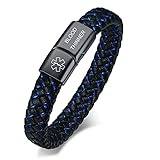
- Top Pick: VNOX Medical Alert ID Blood THINNER Blue&Black Braided Leather Stainless Steel Cuff Bracelet
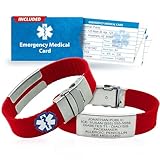
- Best Value: Hdtnhi Personalized Emergency Alert Information ID Bracelets for Seniors,with Waterproof Silicone Wristband Adjustable
- Premium Choice: SISLAF Medical Alert Bracelet – Custom Engraved ID Bracelets for Women & Men, Adjustable Elastic Braided Stretchy Loop Interchangeable Straps, Emergency Medic Alert Wristband for Daily Wear
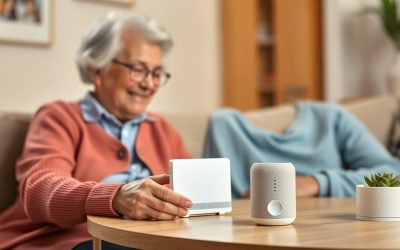
Medical ID bracelets are one of the simplest, most affordable safety tools a senior can wear every day. In an emergency — a fall, a stroke, a diabetic episode, or a moment of confusion — first responders are trained to check the wrist for engraved medical information before making treatment decisions. For older adults managing conditions like diabetes, atrial fibrillation, dementia, drug allergies, or blood thinners, the best medical id bracelets communicate critical details in seconds, even when the wearer cannot speak. Below are our top picks for seniors, chosen for legible engraving, comfortable all-day wear, and clasps that arthritic hands can actually manage. As always, talk with your doctor about exactly what to engrave — they know which details matter most for your conditions.
As an Amazon Associate we earn from qualifying purchases at no extra cost to you.



🛒 Best Price Today on Amazon
Prime members get fast, free shipping on everything above, plus member-only deals. New members get a 30-day free trial — cancel anytime.
Top Picks: Best Medical ID Bracelets for Seniors
American Medical ID Sleek Mesh Medical Alert Bracelet
American Medical ID is one of the most established names in medical jewelry, and this surgical stainless steel mesh band shows why. The adjustable sizing and included clasp adjustment make it practical for wrists that swell during the day, and the four lines of included laser engraving give enough room for a condition, an allergy, and an emergency contact. The mesh design looks like a regular watch band, which matters for seniors who refuse to wear anything that looks “medical.”
FenFang Personalized Emergency Bracelet
This budget-friendly stainless steel option lets you engrave name, conditions, medications, and emergency phone numbers. It is a strong choice for caregivers outfitting a parent for the first time without committing to a premium brand. The engraving is crisp and the band tolerates handwashing, showers, and daily wear without fading.
Custom ID Classic Personalized Medical Alert Bracelet
A traditional curb-style chain with the recognizable red caduceus emblem, this bracelet offers engraving on both the front and back of the plate — useful when one condition and several medications need to be listed. The lobster clasp is sturdy, though seniors with significant arthritis may want a family member’s help putting it on the first few times.
Personalized Dementia and Diabetic Medical ID Bracelet
Designed with memory-loss conditions in mind, this customizable bracelet can carry wording like “Memory Impaired — If Found Alone Call…” along with a phone number. For families caring for a loved one with Alzheimer’s or another dementia, that single engraved line can turn a frightening wandering incident into a quick phone call home.
LazrArt Premium Alzheimer’s and Dementia Identification Bracelet
LazrArt’s dark laser engraving stands out for contrast — the lettering stays readable even in poor light, which is exactly when emergencies tend to happen. The free custom personalization covers caregiver contact details, and the band is built for continuous wear, so it stays on even if the wearer forgets why it is there.
What to Engrave on a Senior’s Medical ID
Space is limited, so prioritize ruthlessly. Most emergency physicians suggest this order: first name, the most critical diagnosis (diabetes, dementia, AFib, epilepsy), life-threatening allergies, critical medications such as blood thinners or insulin, and an “ICE” (in case of emergency) phone number. Words like “Warfarin” or “Eliquis” change how paramedics treat a fall victim, because internal bleeding risk is dramatically higher — if a loved one takes multiple prescriptions, our guide to managing multiple medications safely explains which ones deserve top billing. Avoid filling lines with non-essential history; “knee replacement 2 years ago” rarely changes emergency care, but “pacemaker” always does. Review the engraving with your doctor or pharmacist before ordering, and re-check it once a year as prescriptions change.
How to Choose: Fit, Clasp and Comfort for Older Wrists
A medical ID only works if it is actually worn, so comfort is not a luxury. Look for adjustable bands or order a size slightly larger than the wrist measurement, since many seniors experience swelling in the afternoon. Lobster clasps are secure but fiddly; fold-over and magnetic-assist clasps are easier for stiff fingers — if grip strength is an issue, our roundup of arthritis gloves for seniors and wrist supports may also help with daily dressing tasks. Stainless steel is hypoallergenic for most people and survives daily showers. For wearers with dementia, choose a band that is difficult to remove one-handed, because removing unfamiliar objects is a common behavior. Finally, weight matters: a heavy chain that annoys the wearer ends up in a drawer, which protects no one.
Medical ID Bracelets vs. Medical Alert Systems
These two tools are often confused, and many seniors benefit from both. An engraved ID bracelet is passive — it speaks for you when someone else finds you. A monitored medical alert system is active — pressing a button summons help. The bracelet costs a few dollars once; monitored systems carry monthly fees but add two-way communication. If falls are the main concern, pair an engraved ID with a fall detection device or a senior emergency button pendant. For a full comparison of monitored options, see our guide to the best medical alert systems for seniors. And for loved ones who wander, a discreet GPS tracker for the elderly complements the dementia bracelets above.
| Pick | Best For | Band Style | Engraving |
|---|---|---|---|
| American Medical ID Sleek Mesh | Everyday discreet wear | Stainless mesh, adjustable | 4 lines included |
| FenFang Personalized | Budget first bracelet | Stainless link | Custom front |
| Custom ID Classic | Multiple conditions | Curb chain, lobster clasp | Front and back |
| Personalized Dementia ID | Memory-impaired wearers | Custom band | Caregiver contact wording |
| LazrArt Premium | High-contrast readability | Continuous-wear band | Dark laser engraving |
Frequently Asked Questions
Do paramedics actually look for medical ID bracelets?
Yes. Checking the wrists and neck for medical identification is part of standard first-responder assessment, especially when a patient is unconscious or confused. A clearly engraved bracelet is among the fastest ways your medical information reaches the people treating you.
What should seniors with dementia have engraved?
A first name, a phrase such as “Memory Impaired,” and one or two caregiver phone numbers are the priority. Some families add the home city. Avoid engraving a full home address, which creates a security risk if the bracelet is seen by the wrong person.
Should the bracelet go on the left or right wrist?
Either works — responders check both. Many people wear the medical ID opposite their watch so the two never compete for space. The most important thing is consistent, daily wear.
How often should the engraving be updated?
Review it at least once a year and after any major change: a new diagnosis, a new blood thinner, a changed emergency contact. An outdated bracelet can mislead responders, so treat it like a prescription that needs renewing.
Are medical ID bracelets waterproof?
Stainless steel and silicone styles handle showers, dishwashing, and rain without trouble. That is intentional — the bracelet should never need to come off, because emergencies do not schedule themselves around bath time.
Related Reviews & Guides





9 Best TV Hearing Amplifier and Loops for Seniors with…
11 Best Wrist Blood Pressure Monitors for Seniors 2026