Last Updated: September 12, 2026


Why a Weekly Pill Organizer Is Essential for Senior Health
Medication non-adherence is one of the leading causes of preventable hospitalizations among seniors. A weekly pill organizer makes it dramatically easier to track whether medications have been taken, prevents accidental double-dosing, and simplifies the process of filling prescriptions. For seniors managing multiple medications — which is common among those with hypertension, diabetes, or heart conditions — a well-designed weekly pill organizer is not just convenient; it can be life-saving.
1. MEDELINK Weekly Pill Organizer — 7-Day AM/PM Large Compartments
MEDELINK's organizer is built specifically for seniors who take multiple medications in the morning and evening. It features 14 large compartments (AM and PM for each of 7 days) with easy-open flip lids that require minimal grip strength. Each compartment holds up to 6 standard tablets. The organizer is BPA-free, dishwasher-safe, and comes with a zippered travel pouch for portability.
As an Amazon Associate we earn from qualifying purchases at no extra cost to you.

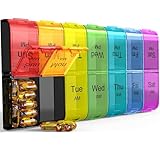


2. Ezy Dose Weekly Pill Organizer with Arthritis-Friendly Lids
Ezy Dose has designed their pill organizer with arthritis sufferers in mind. The large, easy-press lids require significantly less grip strength to open than standard organizers. Each day's compartment is color-coded and clearly labeled, and the compartments are deep enough to hold even large capsules or fish oil softgels. An excellent choice for seniors with reduced hand dexterity.
3. AUVON Weekly Pill Organizer — 4-Times-a-Day Dosing
For seniors with complex medication schedules requiring four daily doses, AUVON's organizer is a standout. It provides morning, noon, evening, and bedtime compartments for each of 7 days — 28 compartments total. The detachable daily cases make it easy to carry just one day's medications in a pocket or purse. Each compartment is clearly labeled with time of day in large print.
Buying Guide: Choosing the Best Weekly Pill Organizer
- Number of doses: Match the organizer to the medication schedule — once daily, twice daily, or four times daily.
- Compartment size: Seniors taking large supplements or multiple pills need spacious compartments with deep wells.
- Lid mechanism: Press-open lids are easiest for arthritic hands. Avoid twist or slide mechanisms.
- Labeling clarity: Large print day and time labels reduce confusion, especially for seniors with vision changes.
- Portability: Detachable daily cases or compact designs make it easy to carry medications when out of the house.
- Material safety: Choose BPA-free plastic that is dishwasher-safe for easy cleaning.
Key Features of an Easy-to-Use Weekly Pill Organizer
The best weekly pill organizer for a senior is one they can open, read, and refill without frustration. Compartment size is a good starting point: roomy slots make it easier to drop in pills with stiff or unsteady fingers and to fish them out again. Lids that open with a gentle push or a simple flip, rather than a tight pinch, help anyone with arthritis or reduced hand strength. For people taking medications more than once a day, an organizer with multiple compartments per day, often labeled morning, noon, evening, and bedtime, keeps doses clearly separated.
Visibility is just as important as access. Large, high-contrast day labels and bold lettering help a senior confirm at a glance whether a dose has been taken, which is especially valuable for those with low vision. Some organizers have pop-out daily trays so one day can be carried in a pocket or bag while the rest stay safely at home. A sturdy, well-made case that closes securely prevents pills from spilling or mixing between compartments. Choosing a design that matches the person’s eyesight, dexterity, and schedule makes daily medication management far smoother.
Daily Tips for Managing Medications With an Organizer
An organizer only helps if it is filled correctly and used consistently. Set aside a calm, well-lit time each week to refill it, working from the original prescription bottles and double-checking each medication and dose against the labels. Filling it at the same time every week builds a reliable habit. Keeping the organizer in a visible, routine spot, such as next to the coffee maker or a toothbrush, ties taking medication to something already done every day, which makes a missed dose easier to notice.
For added safety, never combine an organizer with loose pills from a bottle, since that can lead to confusion or double dosing. If the schedule is complex or changes often, ask a pharmacist to help set up the organizer or to provide pre-filled blister packing. A pill organizer is a memory aid, not medical advice; always follow the exact instructions from the prescribing doctor and pharmacist, and check with them before changing how or when any medication is taken. For someone with significant memory changes, a caregiver or an alarm reminder adds an extra layer of protection.
Frequently Asked Questions
How many compartments per day should a pill organizer have?
It depends on the schedule. Someone taking pills once a day needs only one slot per day, while a person with morning, noon, evening, and bedtime medications benefits from an organizer with four compartments per day to keep doses clearly separated.
Are weekly pill organizers safe for someone with arthritis?
Yes, if you choose one with large compartments and easy-open lids that flip or push rather than requiring a tight pinch. Test the opening mechanism before buying if hand strength is a concern.
How do I avoid mistakes when filling a pill organizer?
Fill it at a calm, well-lit time using the original prescription bottles, check each pill against its label, and avoid mixing in loose pills. A pharmacist can help set it up if the routine is complicated.
What if a senior has trouble remembering doses even with an organizer?
Pair the organizer with a reminder, such as an alarm or a caregiver check-in, and keep it in a visible spot tied to a daily habit. For significant memory changes, talk to the doctor about additional support.
Final Thoughts
A weekly pill organizer is one of the simplest tools a senior can use to manage their health more effectively. By filling the organizer once a week — ideally on the same day — seniors eliminate the daily guesswork of "did I take my pill?" and reduce the risk of missed or doubled doses. Choose the organizer that best matches the complexity of the medication schedule and the user's manual dexterity.
Related Reviews & Guides




Quick Picks: Best Senior Pill Organizer Weekly Dispensers

Medication Reminder Alarm Clock Senior