Last Updated: October 9, 2026
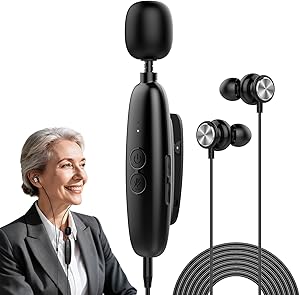
- Top Pick: Rechargeable OTC Hearing Aids for Seniors, Digital Hearing Aids with Noise Cancellation & Feedback Suppression, Discreet Mini In-Ear Design with Simple Button Control, Magnetic Charging Case, 100H Use
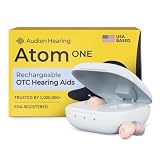
- Best Value: Audien Atom One OTC Hearing Aids
- Premium Choice: Oricle Standard 2.0 Hearing Aids for Seniors – Oricle Hearing Aids for Adults with Advanced Noise Cancellation – Easy Volume Control with Portable Charging Case
Hearing loss affects more than half of adults over age 65, yet the majority of those who could benefit from hearing assistance never seek treatment — primarily because traditional prescription hearing aids can cost thousands of dollars and require multiple specialist visits. The landscape changed dramatically in 2022 when the FDA established a new over-the-counter (OTC) hearing aid category, allowing adults with mild to moderate hearing loss to purchase effective hearing devices directly without a prescription or audiologist fitting. Personal sound amplifiers and OTC hearing aids now offer seniors a genuinely accessible path to better hearing.
It is important to distinguish between true OTC hearing aids — which are regulated medical devices intended to treat mild to moderate hearing loss — and personal sound amplifiers, which are consumer electronics designed to amplify sound in specific listening situations for people with normal hearing. Both have a place in the market, but seniors experiencing meaningful hearing difficulty should prioritize OTC hearing aids over basic amplifiers. If your hearing loss is severe or you have medical ear conditions, a licensed audiologist visit remains essential.
As an Amazon Associate we earn from qualifying purchases at no extra cost to you.




Quick Picks: Best OTC Hearing Aids and Sound Amplifiers for Seniors
Why Trust Our Picks
Our team reviewed OTC hearing aids and personal sound amplifiers by consulting audiologist commentary from peer-reviewed hearing health publications, analyzing FDA clearance status, and evaluating verified senior user feedback across multiple retail and review platforms. We assessed sound quality in quiet and noisy environments, ease of fitting and adjustment without professional help, battery and charging convenience, and the quality of customer support — a particularly important factor for seniors navigating hearing devices for the first time without a clinic to rely on.
Best OTC Hearing Aids for Seniors: Reviews
1. Jabra Enhance Select OTC Hearing Aid
Jabra — best known for its professional-grade audio equipment — brought serious engineering credibility to the OTC hearing aid market with the Enhance Select line. What sets these devices apart from most self-fitting OTC options is the inclusion of access to licensed audiologists who can provide remote support via the companion app, helping seniors fine-tune their settings for specific listening environments without leaving home. The self-fitting process itself uses a smartphone-based hearing assessment to generate a customized amplification profile, and seniors can adjust their settings in real time through an intuitive app interface. The rechargeable case provides multiple full charges, and the devices themselves are slim and discreet in a receiver-in-canal style that is comfortable for extended daily wear. Jabra offers multiple programs for different environments — quiet rooms, noisy restaurants, outdoor settings — which can be toggled easily. For seniors who want hearing aid performance without the prescription price tag and who appreciate having professional backup support available, the Jabra Enhance Select is the clear top pick.
- Pros: Remote audiologist support included, excellent self-fitting app, rechargeable, multiple listening environment programs, discreet design
- Cons: Requires smartphone for full functionality, higher price than basic amplifiers, app learning curve for less tech-savvy seniors
2. Lexie B2 OTC Hearing Aid
The Lexie B2 has earned a strong reputation among first-time OTC hearing aid users for its excellent speech clarity in challenging noise environments — historically one of the most difficult aspects of entry-level hearing amplification to get right. Developed in partnership with hearing healthcare professionals, the B2 uses directional microphones and advanced noise reduction algorithms to prioritize speech sounds over background noise, which makes a meaningful practical difference when dining in a restaurant, watching television, or following conversations in a group setting. The Lexie app walks users through a self-administered hearing assessment and uses the results to configure the devices automatically, with manual fine-tuning available afterward. Lexie offers the B2 as both a one-time purchase and a subscription model, which spreads the cost over time and includes device replacement coverage — an attractive option for seniors on fixed budgets who want to protect their investment. Battery life is solid, and the Lexie support team is available seven days a week.
- Pros: Strong speech-in-noise performance, subscription option available, comprehensive app support, 7-day customer service, good directional microphone quality
- Cons: Subscription model has long-term cost implications, smartphone required for app setup, some users find the fit adjustment process takes time
3. Britzgo BHA-220 Digital Hearing Amplifier
The Britzgo BHA-220 occupies a different category from the OTC hearing aids above — it is a personal sound amplifier rather than a regulated hearing aid — but it earns its place on this list as a genuinely useful, affordable option for seniors with mild hearing difficulties who are not ready to invest in a full OTC hearing aid. The BHA-220 uses a behind-the-ear design that is lightweight and unobtrusive, with a simple volume dial that can be adjusted without any app or technology. It amplifies sound across a broad frequency range and includes a basic noise reduction filter that reduces some background interference. The device runs on standard size 13 hearing aid batteries, which are inexpensive and widely available. For seniors who primarily need amplification in quiet environments — hearing the television more clearly, following one-on-one conversations at home — the BHA-220 provides a practical starting point at a fraction of the cost of true OTC hearing aids. It is not a substitute for a medical-grade hearing device in complex listening situations, but as an affordable entry into hearing assistance, it performs well above its price point.
- Pros: Very affordable entry price, no app or smartphone needed, simple volume dial control, lightweight and discreet, widely available replacement batteries
- Cons: Personal sound amplifier, not an FDA-regulated hearing aid, limited in noisy environments, no directional microphones or custom fitting
Buyer’s Guide: How to Choose Between OTC Hearing Aids and Sound Amplifiers
Understand the regulatory difference. FDA-regulated OTC hearing aids are designed and tested to treat mild to moderate hearing loss and must meet specific performance standards. Personal sound amplifiers are consumer electronics with no such requirements. If you are experiencing genuine hearing loss that affects daily life, an OTC hearing aid is the appropriate choice. Amplifiers are supplemental tools, not treatments.
Consider your primary listening environments. Where hearing is most difficult matters enormously for device selection. Seniors who struggle primarily in noisy restaurants or group settings need a device with strong directional microphones and noise reduction — features found in the Jabra Enhance and Lexie B2 but not in basic amplifiers. Those who mainly want help hearing the TV or a one-on-one conversation may find a simpler device fully adequate.
Factor in your technology comfort level. Premium OTC hearing aids deliver their best performance through smartphone app customization. If navigating a smartphone app is genuinely daunting, consider whether you have a family member who can assist with setup, or look for models that offer telephone-based audiologist support as an alternative to app configuration.
Check return policies before purchasing. Hearing devices are deeply personal, and a device that works well for one person’s hearing profile may not suit another. Look for a minimum 30-day return window — many reputable OTC hearing aid brands offer 45 to 100 days — so you have adequate time to evaluate the device in your real listening environments before committing.
FAQ
Do I need a hearing test before buying an OTC hearing aid? No hearing test is legally required to purchase an OTC hearing aid under the FDA’s 2022 regulations. However, taking an in-app hearing assessment — which most OTC hearing aids include — or getting a baseline audiogram from your physician is strongly recommended. Knowing your specific hearing loss profile helps you select the right device and configure it appropriately.
Can OTC hearing aids damage my remaining hearing? When used properly, OTC hearing aids should not cause further hearing damage. All FDA-regulated OTC devices are required to include output-limiting features that prevent dangerously high amplification levels. Avoid turning any hearing device to maximum volume in quiet environments, and discontinue use if you experience pain, pressure, or sudden changes in hearing.
Are OTC hearing aids as good as prescription hearing aids? For mild to moderate hearing loss, OTC hearing aids from reputable brands now come remarkably close to prescription device performance, particularly in quiet listening environments. For severe or profound hearing loss, complex auditory processing issues, or hearing loss with underlying medical causes, prescription hearing aids fitted by a licensed audiologist remain the superior option.
Final Verdict
Seniors with mild to moderate hearing loss who want a full-featured OTC hearing aid solution with professional support will find the Jabra Enhance Select the best all-around investment. The Lexie B2 is an excellent alternative with standout noise reduction performance and a flexible subscription option for budget-conscious shoppers. And for seniors looking for a simple, no-tech-required entry point to hearing assistance, the Britzgo BHA-220 Digital Hearing Amplifier offers genuine everyday utility at a price that removes any financial barrier to better hearing.
Frequently Asked Questions
What is the difference between an OTC hearing aid and a sound amplifier?
OTC hearing aids are regulated devices intended to help adults with perceived mild to moderate hearing loss, and they can be tuned to a person’s hearing needs. Personal sound amplifiers simply make all nearby sounds louder and are meant for situations like birdwatching, not for treating hearing loss. For ongoing hearing difficulty, an OTC hearing aid is usually the more appropriate choice.
Do I need a hearing test before buying an OTC hearing aid?
A test is not legally required to buy one, but a hearing evaluation helps confirm the type and degree of loss. If hearing trouble is sudden, affects only one ear, or comes with pain, drainage, or dizziness, see a doctor first, since those signs can point to a condition that needs medical care rather than an over-the-counter device.
How long does it take to adjust to wearing them?
Many people need a few weeks to get used to hearing everyday sounds at full volume again. Starting with shorter wearing periods in quiet settings and gradually increasing use often makes the transition smoother. Most OTC apps let you fine-tune the sound as you adapt.
Can I return an OTC hearing aid if it does not help?
Many sellers offer a trial or return window, which is valuable because hearing devices are personal. Check the return policy and trial length before buying so you can switch models if the fit or sound is not right.
How do I care for and clean these devices?
Wipe them with a dry cloth, keep them away from moisture, store them in their case, and replace or recharge batteries as directed. Wax guards and tips need periodic changing. Following the manufacturer’s cleaning routine helps the device last and keeps the sound clear.
Related Reviews & Guides


Quick Picks: Best Portable Nebulizers for Home Use

10 Best Travel CPAP Machines for Seniors