Last Updated: September 7, 2026

Missing a dose can mean a hospital visit. Taking a double dose can be just as dangerous. For seniors managing multiple prescriptions — and many are juggling five or more — a reliable medication reminder alarm clock isn’t a luxury, it’s a safety net. The best models go beyond a simple beep: they display the time in large digits, announce reminders verbally, and some even lock compartments until the correct dosing window opens. Here’s what we found after evaluating the top options.
Quick Picks
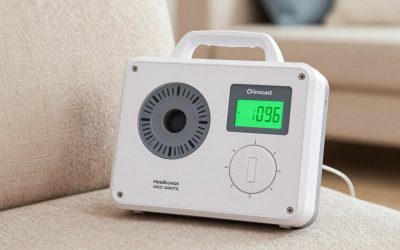
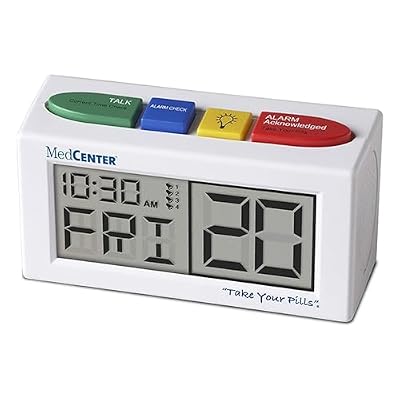
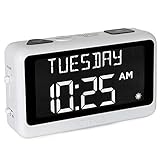
MedCenter Talking Alarm Clock & Medication Reminder
- 6 daily alarms with voice reminders
- Large 1.8″ LCD display
- Loud 85dB alarm tone

Medical Guardian MGMini Medical Alert Device for Seniors | Subscription Required | SOS Button, Emergency Location Assistance, 24/7 Monitoring | Pearl


As an Amazon Associate we earn from qualifying purchases. Product prices and availability are accurate as of the date/time indicated.
e-pill CADEX 12 Alarm Pill Reminder Watch
- Wearable wrist reminder
- 12 programmable alarms
- Discreet vibration mode


As an Amazon Associate we earn from qualifying purchases. Product prices and availability are accurate as of the date/time indicated.
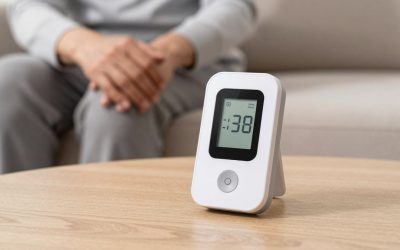
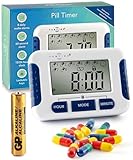
Apex Digital Pill Reminder Clock
- 4 daily alarms
- Easy 3-button programming
- Compact bedside design

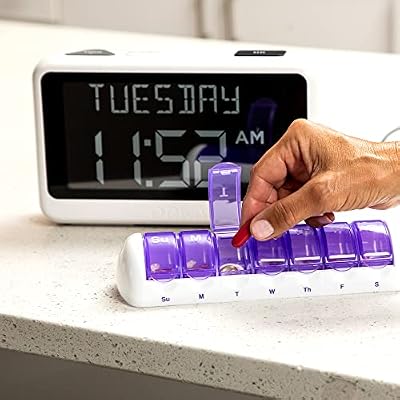
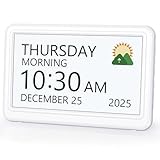
ORKA Talking Clock. Voice Recordable Ex Large Medication Pill Reminder. Talking Alarm Clock for Dementia, Hearing, Visually impaired Seniors-Digital Day Clock with Multiple Customized Alarms White



As an Amazon Associate we earn from qualifying purchases. Product prices and availability are accurate as of the date/time indicated.
Why Trust Our Picks
We cross-referenced recommendations from geriatric care specialists, analyzed feedback from family caregivers on senior care forums, and screened for products with proven alarm audibility — particularly for seniors with hearing loss. Every product on this list has a minimum 4.3-star average across at least 300 verified Amazon reviews.
As an Amazon Associate we earn from qualifying purchases.




Individual Product Reviews
1. MedCenter Talking Alarm Clock — Best Overall
The MedCenter system earns its top spot by doing two jobs simultaneously: it functions as a full-featured bedside clock and a dedicated medication reminder. The spoken announcements — “It’s time to take your morning pills” — cut through the fog of early mornings far more reliably than a generic beep. Six programmable alarms cover most medication schedules, and the 85dB alarm volume ensures it’s heard even in the next room. The extra-large display shows time in 1.8-inch digits, readable across a bedroom without glasses.
- Pros: Voice reminders, very loud alarm, large display, AM/FM radio included
- Cons: Buttons can feel stiff initially; programming takes 15–20 minutes to set up
2. e-pill CADEX 12 Alarm Pill Reminder Watch — Runner-Up
For seniors who are active and away from home during the day, a wrist-worn reminder changes everything. The e-pill CADEX holds up to 12 alarms and offers both audible beeping and a silent vibration mode — handy in social situations or during religious services. It looks like a conventional digital watch, which many users appreciate over more obviously medical devices. Battery life runs about a year on a standard watch battery, and the band is standard 18mm — replaceable at any pharmacy.
- Pros: Wearable, discreet, vibration mode, 12 alarms, no charging needed
- Cons: Small display; seniors with dexterity issues may struggle with the tiny buttons
3. Apex Digital Pill Reminder Clock — Best Budget
Simplicity is the Apex clock’s greatest asset. With just three buttons, even seniors who are unfamiliar with digital devices can program their reminders without a manual. Four daily alarms handle the most common medication schedules (morning, noon, evening, bedtime). The compact design fits on a nightstand without dominating the space, and the battery backup means it won’t lose its programming during a power outage — a thoughtful detail many pricier clocks skip.
- Pros: Very easy to use, battery backup, compact, affordable
- Cons: Only 4 alarms (insufficient for complex schedules), no voice reminders
4. Medline Automatic Pill Dispenser with Alarm
Step up to an automatic dispenser and you get a device that doesn’t just remind — it presents the correct pills at the correct time and locks the other compartments. The Medline dispenser holds up to 28 doses across four daily slots and sounds a persistent alarm (repeating every 30 minutes if ignored) until the tray is acknowledged. Caregivers managing loved ones with memory impairment will find this semi-automated approach far more reliable than reminders alone.
- Pros: Locked compartments prevent accidental double-dosing, persistent alarm, 28-dose capacity
- Cons: Higher price point, bulkier than a simple clock
5. Medi-Alert TabTime Vibe Vibrating Pill Reminder
The TabTime Vibe occupies a useful niche: a portable pocket reminder with strong vibration for those with significant hearing loss. Unlike watch-style reminders, it clips to a belt or sits in a pocket and delivers a powerful, sustained vibration that’s difficult to miss. Up to eight alarms can be set, and the display is clear enough for most users. It’s particularly valued in assisted living settings where loud alarms would disturb neighbors.
- Pros: Strong vibration alert, portable clip design, 8 alarms, quiet for shared spaces
- Cons: Clip mechanism can wear over time; not a clock replacement
Buyer’s Guide: What to Look for in a Medication Reminder Clock
Number of alarms: Count how many daily doses are needed across all medications. A two-alarm clock won’t work for someone taking medications four times daily. Choose a model with at least one or two more alarms than needed — schedules change.
Alarm volume: Many seniors have some degree of hearing loss. Look for models rated at 75dB or higher, and consider placing the device close to where the user typically is when doses are due. A bedroom clock won’t help if the user is in the living room at noon.
Ease of programming: This is often the dealbreaker. Complex multi-button sequences are frustrating for both seniors and caregivers. Prioritize models with large labeled buttons and straightforward setup — ideally something that can be configured in under 10 minutes.
Battery backup: Power outages shouldn’t mean missed doses. Any clock you buy for medication management should have battery backup to retain alarm settings.
Frequently Asked Questions
What’s the difference between a pill reminder and a pill dispenser?
A pill reminder (like a clock or watch) simply alerts the user that it’s time to take medication — the user still retrieves the pills themselves. A pill dispenser stores the medications and physically presents the correct dose at the correct time, often locking other compartments to prevent errors.
How many alarms does a typical senior need?
According to a 2023 AARP health survey, the average senior over 65 takes 4–5 prescription medications. This often means 3–4 daily dosing windows. A clock with at least 4–6 programmable alarms covers most needs, with room for future changes.
Are these clocks useful for seniors with dementia?
Simple reminder alarms may not be sufficient for those with moderate to advanced dementia. In those cases, an automatic locked dispenser — or caregiver-assisted dispensing — is the safer approach. Consult with the patient’s physician or a geriatric care manager for specific recommendations.
Can I use a smartphone app instead?
Apps like Medisafe work well for tech-comfortable seniors and can even notify family members if a dose is skipped. However, they rely on the phone being charged, nearby, and unmuted — conditions that aren’t always met. A dedicated device offers more consistent reliability for those who don’t use smartphones regularly.
Do medication reminder clocks work for eye drops or inhalers?
Yes — the alarm simply signals it’s time for the dose, regardless of what form that dose takes. Many seniors use reminder clocks to track eye drops, inhalers, insulin injections, and other non-pill medications alongside oral prescriptions.
Final Verdict
For most seniors, the MedCenter Talking Alarm Clock is the sweet spot — loud, clear voice reminders, a large display, and up to six alarms handle the vast majority of medication schedules. Active seniors who are frequently out of the house should consider the e-pill CADEX Watch for portable, discreet reminders. And for a no-fuss, low-cost starting point, the Apex Digital Pill Reminder Clock delivers reliable basics without an overwhelming setup process. Whatever you choose, consistency is the key — the best reminder is the one a senior will actually use every day.
Related Reviews & Guides



4 Best Light Therapy Lamps for Seniors: Mood and Sleep Support

Best Paraffin Wax Baths for Hands: Heat & Safety Tips