Last Updated: September 4, 2026
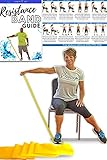
- Top Pick: Vitality 4 Life with Curtis Adams Senior Resistance Band: Light Resistance, Longer Length + Instruction Guide. Latex Free. Exercise, Stretching, Physical Therapy
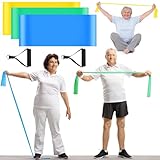
- Best Value: Healthy Seniors Chair Exercise Program with Two Resistance Bands, Handles and Printed Exercise Guide. Suitable for Rehab or Physical Therapy. Thoughtful Gift for Grandma or Grandpa
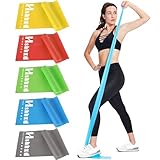
- Premium Choice: Resistance Bands Set for Physical Therapy, Rehab, Yoga and Pilates
Introduction
Resistance bands are one of the most versatile and senior-friendly tools for strength training and physical therapy at home. Unlike heavy weights, they provide progressive resistance that reduces injury risk while still challenging muscles effectively. Seniors can use them from a chair or bed, making them accessible even for those with limited mobility. Here's what to look for and the best sets available.
Key Features to Look For
- Resistance Levels: A set that includes multiple resistance levels (light, medium, heavy) allows seniors to start gently and progress over time; color-coded bands make it easy to distinguish levels.
- Band Type: Loop bands (closed circles) are great for lower body exercises; tube bands with handles are easier to grip for upper body work; flat therapy bands offer the most versatility for physical therapy exercises.
- Latex vs. Non-Latex: Seniors with latex allergies should choose TPE or fabric resistance bands; non-latex options are available in most popular sets.
- Handle Comfort: Foam or padded handles on tube bands reduce hand strain during exercises, important for seniors with arthritis or weak grip strength.
- Durability: Look for bands with reinforced seams, braided inner cords (in tube bands), and a warranty — cheap bands snap unexpectedly and can cause injury.
Top Picks for Seniors
TheraBand Resistance Band Set
TheraBand is the gold standard in physical therapy resistance bands, used in clinical settings worldwide. Their flat latex bands come in a color-coded progression from yellow (extra light) through gold (maximum) resistance, allowing precise progression. They are highly durable, widely available, and used in countless evidence-based senior fitness programs. A comprehensive exercise booklet is included with most sets.
As an Amazon Associate we earn from qualifying purchases at no extra cost to you.




Bodylastics Resistance Bands Set with Handles
Bodylastics offers a premium tube band set with anti-snap technology (braided inner cord) and cushioned foam handles. The set includes 5 stackable bands from 3 to 19 lbs, door anchors, ankle straps, and a carrying bag. The door anchor allows seniors to perform a wide range of seated upper and lower body exercises without needing a gym, and the stackable design allows fine-tuned resistance adjustment.
Fit Simplify Resistance Loop Exercise Bands
For lower body exercises, Fit Simplify's loop band set is one of the most popular options for seniors. The set includes 5 fabric-reinforced latex loop bands in progressive resistance levels, a carrying bag, and an exercise guide. The bands are thin enough to use from a chair for leg lifts and clamshells, making them accessible for seniors with very limited mobility. Non-latex options are also available.
Choosing Resistance Bands for Gentle Strength Training
Resistance bands are an excellent strength-training tool for older adults because they are lightweight, affordable, joint-friendly, and easy to use at home. They come in two common forms: flat therapy bands and tube bands with handles. Bands are color-coded by resistance level, from very light to heavy, and beginners are usually best served starting with the lightest levels and progressing as strength improves. A set that includes several resistances lets the user increase the challenge gradually without buying new equipment. Look for durable, snap-resistant material and, for tube bands, comfortable handles that are easy to grip for those with arthritis. A door anchor and an exercise guide are helpful extras that expand the range of safe movements.
Exercising Safely With Resistance Bands
Good technique keeps band workouts both effective and safe. Inspect each band before use and discard any that show nicks, cracks, or thinning, since a worn band can snap unexpectedly. Keep movements slow and controlled, never letting the band recoil suddenly, and maintain good posture throughout. Begin with a gentle warm-up and stop if you feel sharp pain rather than the normal effort of working a muscle. Anchoring the band securely and staying clear of the face protects against accidental snapback. Short, regular sessions build strength steadily over time. As with any new exercise routine, it is wise for seniors, especially those with health conditions or recent injuries, to check with a doctor or physical therapist who can recommend appropriate exercises and resistance levels.
Simple Resistance Band Exercises to Start With
Beginners can build confidence with a handful of straightforward, seated or supported movements before progressing to more demanding work. Seated rows, where the band is anchored ahead and pulled toward the body, gently strengthen the upper back, while seated leg presses against a looped band work the legs without standing. Light shoulder and arm raises with a band held between the hands help maintain everyday function for reaching and lifting. The key is to keep each movement slow and controlled, exhaling on the effort and never letting the band snap back. Start with just a few repetitions, rest between sets, and stop short of strain. As these become comfortable, the user can add repetitions or move to a slightly heavier band. A printed guide or a session with a physical therapist can ensure good form and a safe, well-rounded routine tailored to the individual.
Frequently Asked Questions
What resistance band should a beginner start with?
Bands are color-coded by resistance, and beginners are usually best served starting with the lightest levels, then progressing as strength improves. A set with several resistances lets you increase the challenge gradually.
Are resistance bands safe for seniors?
They are joint-friendly and low-impact, which makes them well suited to older adults. Use slow, controlled movements, keep good posture, and never let the band recoil suddenly.
Flat bands or tube bands with handles?
Flat therapy bands are versatile and compact, while tube bands with handles are easy to grip, which helps those with arthritis. Many people find a set with both useful.
How do I know when to replace a band?
Inspect each band before use and discard any with nicks, cracks, or thinning, since a worn band can snap unexpectedly. Anchoring it securely also reduces the risk of snapback.
Should I check with a professional first?
Yes. As with any new exercise routine, seniors, especially those with health conditions or recent injuries, should check with a doctor or physical therapist for appropriate exercises and resistance levels.
Final Thoughts
Resistance band training offers seniors a safe, low-cost, and highly effective way to build strength, improve balance, and maintain independence without visiting a gym. Starting with lighter resistance and learning proper form before progressing is essential for injury prevention. Consult with a physical therapist or certified senior fitness trainer to design a program that addresses your specific strength goals and any existing physical limitations.
Related Reviews & Guides




8 Best Exercise Equipment for Seniors: Safe & Effective Picks

11 Best Caregiver Bags: Essential Supplies for Professional and Family Caregivers