Last Updated: September 7, 2026
- Top Balance Exercises Seniors Simple Moves Picks for 2026
- Why Balance Declines with Age — and Why It’s Trainable
- Safety Rules Before You Begin
- 7 Balance Exercises with Step-by-Step Instructions
- How Often Should You Practice?
- Extra Support While Your Balance Improves
- When to Stop and Seek Medical Advice
- Frequently Asked Questions
- Related Guides
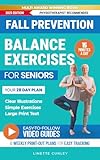
- Top Pick: BALANCE AND FALL PREVENTION EXERCISES FOR SENIORS: Your 6-Week Program to Improve Balance, Coordination, and Stability—to Move with Confidence Every Day (Senior Exercises: Move Strong, Live Healthy)
- Best Value: Fall Prevention Balance Exercises for Seniors Posters Seated Workout Charts for Seniors & Beginners 12×18 Inch Unframed Chair & Standing Mobility Training Wall Art Living Room Bedroom Home Gym Decor
- Premium Choice: Fall Prevention Balance Exercises For Seniors: Your 28-Day Improvement Plan With Clear Illustrations, Simple Exercises & Large Print For Core Strength & Stability In 15-Mins A Day (Workout Books)
Top Balance Exercises Seniors Simple Moves Picks for 2026
Here are our current top balance exercises seniors simple moves picks, compared on real Amazon owner reviews, price, and features. Live prices update below.
As an Amazon Associate we earn from qualifying purchases at no extra cost to you.




Balance exercises for seniors are one of the most powerful tools for preventing falls and protecting independence. Falls are among the leading causes of injury in older adults, yet balance is a skill — and like any skill, it improves with practice. Just a few minutes of focused training several days a week can rebuild the steadiness you need to walk confidently, navigate stairs, and move through your home without fear. This guide covers why balance declines with age, how to train it safely, and seven simple exercises with clear, step-by-step instructions.
Why Balance Declines with Age — and Why It’s Trainable
Balance depends on three systems working together: your inner ear, your vision, and the sensory feedback from your feet, ankles, and joints. With age, each system gradually sends weaker signals, while leg muscles lose strength and reaction time slows. Medications, low blood pressure, and conditions such as neuropathy can compound the effect.
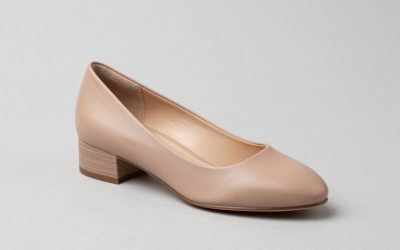
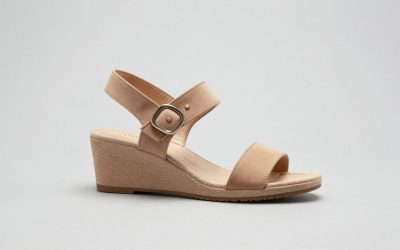
The encouraging news is that targeted practice strengthens every link in that chain. Challenging your balance in safe, controlled ways teaches your brain and muscles to respond faster, so a small stumble stays a stumble instead of becoming a fall. Balance training works best as part of a broader plan that includes safe footwear — see our guide to the best shoes for seniors for fall prevention — and a home free of trip hazards, starting with the bathroom, the most common fall zone, covered in our senior bathroom safety checklist and grab bar installation guide.
Safety Rules Before You Begin
- Get your doctor’s okay first, especially if you have a history of falls, dizziness, neuropathy, or heart conditions.
- Always train next to support. Stand beside a kitchen counter, heavy table, or sturdy chair so you can grab on instantly.
- Wear flat, non-slip shoes and clear the floor of rugs and cords.
- Progress gradually. Begin with both hands on support, then one hand, then fingertips, then hands hovering.
- Never practice when lightheaded, overly tired, or after taking a new medication that affects you.
7 Balance Exercises with Step-by-Step Instructions
1. Weight Shifts
Stand with feet hip-width apart, hands resting on a counter. Slowly shift your weight onto your right foot, letting the left foot stay light on the floor. Hold for five seconds, then shift left. Repeat 10 times per side. This is the foundation every other exercise builds on.
2. Single-Leg Stand
Holding your support, lift one foot an inch or two off the floor and balance on the other leg for 10 seconds — building toward 30 seconds over several weeks. Repeat 3 times per leg. As you improve, lighten your grip one stage at a time.
3. Heel-to-Toe Walk (Tandem Walk)
Walk along a hallway beside a wall, placing the heel of one foot directly in front of the toes of the other, as if walking a tightrope. Take 10 to 15 slow steps, keeping a hand near the wall. This narrows your base of support and sharply trains stability.
4. Heel Raises
Holding your support, rise slowly onto the balls of both feet, pause for two seconds, then lower with control. Do 10 to 15 repetitions. Strong calves and ankles are your first line of defense when the ground surprises you.
5. Side Leg Raises
Standing tall with a hand on your chair, lift your right leg out to the side a few inches, keeping toes pointing forward and torso upright. Lower slowly. Do 10 per side. This strengthens the hip muscles that keep your pelvis level while walking.
6. Marching in Place
Holding light support, march slowly, lifting each knee toward hip height. Aim for 20 total steps. Focus on a controlled, balanced pause at the top of each lift rather than speed.
7. Sit-to-Stand
From a firm chair, cross your arms or use the armrests if needed, and stand up slowly, then sit back down with control. Repeat 5 to 10 times. Leg strength and balance improve together with this single, highly practical movement.
How Often Should You Practice?
Aim for at least three sessions a week of 10 to 15 minutes; daily short practice is even better for most people. Improvement usually appears within a month or two — steadier walking, easier turns, more confidence on stairs. To keep progressing, add gentle strength work on alternate days using resistance bands made for elderly users or other senior-friendly exercise equipment. Practices like tai chi also blend balance, strength, and relaxation beautifully.
Extra Support While Your Balance Improves
Training takes time, and there is no shame in using support along the way. A properly fitted cane adds a stable third point of contact — our guide to the best walking canes for balance explains how to choose and size one. If you have already had a fall or live alone, a fall detection device provides an automatic call for help if the worst happens. Think of these tools as teammates, not surrender: they keep you active and safe while your exercises do their work.
When to Stop and Seek Medical Advice
Stop exercising if you feel dizzy, experience chest pain or shortness of breath, or feel sudden sharp pain. See your doctor promptly if you notice new or worsening unsteadiness, frequent stumbles, or balance changes after starting a medication — these can signal treatable underlying issues such as inner-ear problems, blood pressure changes, or vision decline.
Frequently Asked Questions
How quickly can balance improve?
Many seniors notice meaningful improvement in steadiness and confidence within four to eight weeks of consistent practice. The systems behind balance respond at any age, but consistency is essential.
Are balance exercises safe to do alone?
Yes, provided your doctor has cleared you, you always train beside sturdy support, and you choose the level that matches your current ability. If you have a history of falls, practice while someone else is home when possible.
What is the single best balance exercise?
If you only do one, make it the sit-to-stand. It builds leg strength and balance simultaneously and directly improves the daily movements that keep you independent.
Should I do balance exercises if I already use a walker or cane?
Often yes — supported balance training can be especially valuable for mobility-aid users. Ask your doctor or a physical therapist to tailor exercises to your situation first.
Can poor vision affect my balance?
Absolutely. Vision is one of the three pillars of balance. Keep eyeglass prescriptions current, treat cataracts when advised, and make sure your home is well lit, especially on stairs and night-time paths.
Related Reviews & Guides




Why Trust Our Picks

How to Start a Walking Program for Seniors