Last Updated: September 7, 2026
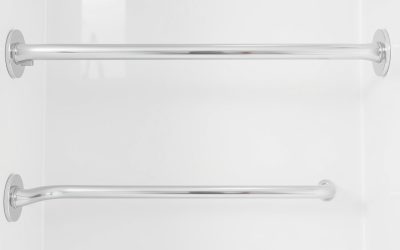
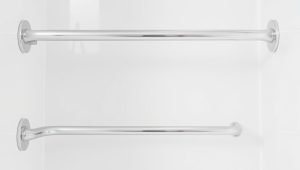
- Top Pick: Grab Bars for Shower, 2 Pack 16 in Anti Slip Safety Bath Handle for Senior
- Best Value: Moen Home Care Bathroom Safety 24 Inch Stainless Steel Handicap Grab Bar for Bathtub and Shower, Heavy Duty Handle, Elderly Assistance Product with Concealed Screws, 8724
- Premium Choice: Grab Bars for Shower, 16 Inch Shower Handle, 2 Pack, Polished Nickel
A solid bathroom grab bar installation is one of the highest-impact, lowest-cost upgrades you can make to help an older adult bathe and use the toilet safely. Wet tile is where many serious falls happen, and a properly mounted grab bar gives a reliable point of support exactly where balance is most fragile. This guide covers how to install grab bars correctly, where to place them, and which proven grab bars suit different walls and needs.
We start with five well-reviewed grab bars covering screw-mount, suction-cup, foldable, tension-pole, and toilet-rail styles, then walk through installation step by step.
As an Amazon Associate we earn from qualifying purchases at no extra cost to you.


Top Grab Bar Picks by Mounting Type
Toilet Grab Bar with Floor Leg
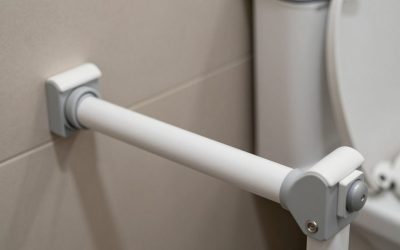
This wall-mounted stainless bar adds a support leg to the floor, spreading the load and giving extra stability beside the toilet. It is a good choice where the wall alone may not feel reassuring, and the anti-slip surface grips well with wet hands.
Foldable Stainless Steel Grab Bar
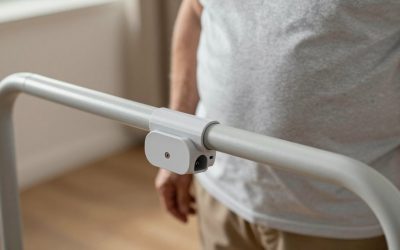
A 304 stainless flip-up bar that folds against the wall when not needed, freeing space in tight bathrooms. It must be screw-mounted into studs or solid blocking, making it a permanent, high-capacity solution next to the toilet or shower entry.
Suction-Cup Grab Bar (2-Pack)
These removable suction bars install without drilling and are ideal for renters or travel. They work only on smooth, non-porous surfaces and should be treated as balance aids, not full weight-bearing supports. Always check the locking indicators before each use.
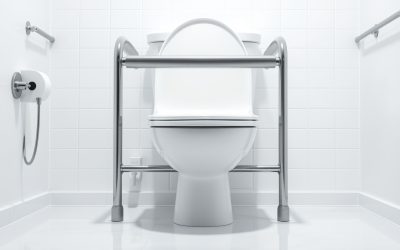
Adjustable Toilet Safety Rail
This freestanding frame surrounds the toilet with two padded arms and adjusts in height, helping users lower and rise safely. Because it requires no wall drilling, it is a flexible option for bathrooms where mounting into studs is not possible.
Tension-Mounted Floor-to-Ceiling Pole
A security pole that wedges between floor and ceiling with no drilling, offering a vertical grab point and a curved support bar. It is useful beside the tub, bed, or toilet for sit-to-stand transfers when a horizontal wall bar is not enough.
How to Install a Grab Bar Step by Step
For permanent, weight-bearing safety, a screw-mount bar anchored into wall studs is the gold standard. Here is the general process:
- Locate the studs. Use a stud finder to mark solid framing. A grab bar must anchor into studs or into dedicated blocking, never into tile or drywall alone.
- Choose the height and angle. Most bars are placed 33 to 36 inches above the floor, but set the height to the user’s reach. Horizontal bars suit standing support; angled bars help with sit-to-stand transitions.
- Mark and drill. Hold the bar level, mark the screw holes, and drill pilot holes sized for your screws and anchors. On tile, use a carbide bit and go slowly to avoid cracking.
- Anchor securely. Drive corrosion-resistant screws into the studs. If a flange falls between studs, use heavy-duty toggle anchors rated for grab-bar loads.
- Test before trusting it. Pull hard on the installed bar with your full body weight before anyone relies on it.
If you are unsure about wall construction or load ratings, hire a contractor or occupational therapist who specializes in home safety. A poorly anchored bar can be more dangerous than none at all because it creates false confidence.
Where to Place Grab Bars in the Bathroom
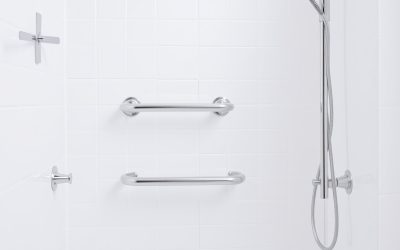
The three highest-value locations are: beside the toilet (for sitting and standing), at the tub or shower entry (the most slip-prone step), and along the back or side wall of the shower (for support while washing). Plan placement around the user’s stronger side and their natural movement path. Consider a vertical bar at the entry and a horizontal bar inside the wash area.
| Location | Bar Type | Purpose |
|---|---|---|
| Beside toilet | Wall bar with leg or safety rail | Sit-to-stand support |
| Tub / shower entry | Vertical or angled bar | Steady the high-risk step-over |
| Inside shower | Horizontal bar | Support while washing |
| Renters / travel | Suction-cup bar | Temporary balance aid |
Frequently Asked Questions
Are suction-cup grab bars safe?
Suction-cup bars are convenient and drill-free, but they are best used only as balance aids on smooth, non-porous surfaces, not as full weight-bearing supports. Check the locking indicators every time, and choose a screw-mount bar for anyone who needs to put real weight on it.
How much weight can a grab bar hold?
A properly installed grab bar anchored into studs is typically rated to support around 250 to 500 pounds, depending on the model. The mounting is as important as the bar itself, so always follow the manufacturer’s instructions and anchor into solid framing.
What height should a grab bar be installed?
A common guideline is 33 to 36 inches above the floor, but the best height depends on the user’s reach and whether they are standing or seated. An occupational therapist can recommend the ideal placement for the individual.
Can I install a grab bar myself?
Many people can install a screw-mount bar with a stud finder, drill, and proper anchors. If you cannot locate studs, are working with tricky tile, or are unsure about load ratings, hire a professional to ensure it is safe.
Do grab bars work without drilling?
Yes, tension-mounted floor-to-ceiling poles and freestanding toilet rails provide support without drilling, and suction bars offer a temporary option. For maximum security, though, a screw-mounted bar is the most reliable.
Common Grab Bar Installation Mistakes to Avoid
The most dangerous mistake is anchoring a grab bar into drywall or tile alone. Without a stud or solid blocking behind it, the bar can rip out under load at the worst possible moment. Always confirm what is behind the wall before drilling. A second common error is installing the bar at a generic height instead of matching it to the user’s reach and the way they actually move, which can make the bar awkward or unusable.
Other pitfalls include using the wrong screws or anchors, skipping the pull-test after installation, and over-relying on suction bars for full weight bearing. In tiled showers, drilling too fast or without a carbide bit can crack tiles and compromise the mount. When in doubt about wall construction, water-proofing, or load ratings, bring in a qualified installer. A grab bar is a safety device, and cutting corners defeats its purpose.
Maintaining Your Grab Bars
Grab bars need occasional checks to stay safe. Every few months, grip each bar and push and pull firmly to confirm it has not loosened. Tighten any flange screws that have backed out, and look for rust, corrosion, or cracks, especially on bars in wet shower areas. For suction-cup models, clean the wall surface and the cups regularly, and re-seat them before each use, watching the locking indicators. Replace any bar that wobbles, shows corrosion, or no longer locks securely. A few minutes of routine maintenance keeps these inexpensive devices working when they are needed most.
Related Bathroom Safety Guides
Build a safer bathroom with these companion resources:
- Senior Bathroom Safety Checklist
- Best Home Safety Grab Bar Kits for Seniors
- Best Bath Mats with Rubber Backing for Senior Safety
- Best Bath Towels with Loops for the Elderly
- Best Night Light Sensor for Seniors
- Door Knob to Lever Handle Adapters for Seniors
- Best Fall Detection Device for Seniors
Related Reviews & Guides



Bathroom Safety for Seniors
6 Best Grab Bars For The Bathroom 2026