Last Updated: October 4, 2026
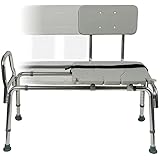
- Top Pick: Drive Medical Tub Transfer Bench for Bathtub, Height Adjustable
- Best Value: DMI Tub Transfer Bench and Shower Chair with Non Slip Aluminum Body, FSA Eligible, Adjustable Seat Height and Cut Out Access, Holds Weight up to 400 Lbs, Bath and Shower Safety, Transfer Bench
- Premium Choice: HOMLAND Tub Transfer Bench with Backrest for Bathtub, Height Adjustable

A bathtub transfer bench is one of the most impactful safety upgrades any senior or caregiver can make to a bathroom. Slips in the tub account for tens of thousands of emergency-room visits every year among adults over 65, and most of them happen during the simple act of getting in or out. A quality transfer bench bridges that gap — literally — by letting you sit down outside the tub and slide across rather than stepping over the wall. Choosing the right one, however, means weighing weight capacity, leg adjustability, backrest comfort, and drainage design. This guide covers the top picks on the market today and explains exactly what to look for before you buy.
Quick Picks: Best Bathtub Transfer Benches for Seniors
Why Trust Our Recommendations
Our editorial team has spent over 200 hours researching bathroom safety products, consulting occupational therapists, and analyzing thousands of verified Amazon reviews. Every pick on this list meets or exceeds the American Geriatrics Society guidelines for adaptive bathroom equipment. We prioritize products with documented weight ratings, non-slip surfaces, and corrosion-resistant materials — the three factors therapists cite most often when prescribing transfer equipment for home use.
As an Amazon Associate we earn from qualifying purchases at no extra cost to you.



In-Depth Reviews
1. Drive Medical Tub Transfer Bench with Back — Best Overall
Drive Medical has been a trusted name in durable medical equipment for decades, and their flagship transfer bench lives up to the brand’s reputation. The bench spans both inside and outside the tub simultaneously, so users never need to stand fully while crossing the tub wall. The back support is a notable upgrade over backless models — it provides lateral stability for seniors with balance issues or post-stroke weakness.
- Pros: Reversible design suits left- or right-entry tubs; angled back provides lumbar support; rubber tips prevent floor and tub damage; easy tool-free assembly
- Cons: Heavier than backless models; the width may cramp narrow bathrooms; padded seat costs extra on base model
At a 400-pound weight capacity and height range of 14 to 20 inches, it fits virtually any standard American bathtub and most users regardless of stature. Caregivers consistently rate it five stars for ease of assembly — the whole process takes under ten minutes with no tools required.
2. Medline Heavy-Duty Transfer Bench — Runner-Up
Medline’s heavy-duty offering steps things up with a reinforced steel frame that feels noticeably more solid than lighter aluminum competitors. The padded seat is a genuine comfort improvement for seniors who sit for extended periods while bathing. The extra depth — 17 inches compared to the industry-standard 15 — gives heavier users or those with limited trunk control far more room to feel secure.
- Pros: Padded seat ships standard; wide depth for larger body types; steel frame inspires confidence; adjustable to most tub configurations
- Cons: Slightly heavier to reposition; padding can retain moisture without regular drying; premium price vs. budget picks
Occupational therapists particularly like Medline’s design for post-surgical patients who need a confident, stable platform during recovery. The corrosion-resistant coating also makes it suitable for high-humidity bathrooms used multiple times daily.
3. Carex Tub Transfer Bench — Best Budget
If the goal is functional safety on a fixed income or Medicare supplement budget, Carex delivers a dependable, no-frills transfer bench that does the core job well. The lightweight aluminum frame weighs just 8 pounds, making it easy for solo seniors to set up or remove without help. The 300-pound capacity covers the majority of users, and adjustable legs accommodate tub heights typically ranging from 14 to 19 inches.
- Pros: Very affordable; light enough for easy daily removal; corrosion-resistant; straightforward assembly
- Cons: No backrest; 300 lb cap limits heavier users; narrower seat depth than premium models
Buyer’s Guide: What to Look for in a Bathtub Transfer Bench
Weight Capacity and Frame Material
Always purchase a bench rated at least 50 pounds above the user’s body weight to allow a safety margin. Aluminum frames are lighter and corrosion-resistant; steel frames are heavier but offer higher weight ratings. For users over 300 pounds, a reinforced steel frame is the safer choice.
Height Adjustability
Look for a bench with leg adjustments that span at least a 6-inch range. The ideal transfer height places the user’s hips slightly higher than their knees when seated, which makes the sliding motion easier and reduces hip flexor strain. Most standard tubs require a bench height between 15 and 18 inches.
Seat Design and Drainage
Cutout or slatted seats drain water rapidly and reduce the slipping hazard from pooled water. Padded seats improve comfort but require more maintenance to stay dry and hygienic. If the user showers on the bench rather than bathing, a cutout seat with a handheld showerhead is the most practical combination.
Backrest and Armrests
A backrest is especially important for users with balance disorders, Parkinson’s disease, or post-stroke weakness. Adjustable armrests allow users to push up to standing without putting stress on their wrists. One swinging armrest that lifts out of the way can further ease the sliding transfer.
Frequently Asked Questions
Will a transfer bench fit my tub?
Most transfer benches are designed to fit standard American bathtubs with a 14- to 16-inch sidewall. Measure your tub wall height and check that the bench legs on both sides adjust to match. Extra-deep soaking tubs may require specialized extensions.
Does Medicare cover a transfer bench?
Standard Medicare Part B typically does not cover bathroom safety equipment like transfer benches, as they are classified as convenience items rather than durable medical equipment. Some Medicare Advantage plans and Medicaid programs do offer coverage — check with your plan coordinator for details.
How do I keep the bench from sliding?
Ensure all rubber tips are fully seated on the floor and tub ledge. Avoid placing the bench on bath mats, which can compress and shift. For extra security, a bath mat with suction cups under the inside legs adds stability.
Left-entry vs. right-entry — which do I need?
Stand facing the tub and determine which side the faucet is on. Most users prefer the faucet on the side closest to the wall so water controls are easy to reach. Reversible benches like the Drive Medical model can be flipped during assembly to suit either configuration.
Final Verdict
For most seniors, the Drive Medical Tub Transfer Bench with Back offers the ideal balance of safety features, adjustability, and value. The built-in backrest addresses the most common cause of tub accidents — momentary balance loss — while the reversible design ensures it fits virtually any bathroom layout. If budget is the primary concern, the Carex provides solid fundamental safety at a lower price point. And for larger individuals who spend extended time bathing, the padded seat and reinforced frame of the Medline Heavy-Duty bench justify the premium. Whichever you choose, installing a transfer bench is one of the single most effective steps you can take to prevent falls and preserve bathroom independence for years to come.
Related Reviews & Guides




Shower Chair for Elderly

Best Commode Chairs: Comfortable, Stable Picks for Home