Last Updated: October 4, 2026
- Top Converting Tub Walk Shower Seniors Picks for 2026
- Why Seniors Convert Tubs to Walk-In Showers
- Your Main Conversion Options
- Safety Features Worth Insisting On
- What the Conversion Process Looks Like
- Costs, Funding Help, and Avoiding High-Pressure Sales
- Talk to Your Doctor or Therapist First
- Frequently Asked Questions
- Related Articles
- Related Guides
🛒 Best Price Today on Amazon
Prime members get fast, free shipping on everything above, plus member-only deals. New members get a 30-day free trial — cancel anytime.
Top Converting Tub Walk Shower Seniors Picks for 2026
Here are our current top converting tub walk shower seniors picks, compared on real Amazon owner reviews, price, and features. Live prices update below.
As an Amazon Associate we earn from qualifying purchases at no extra cost to you.





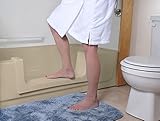


A tub to walk-in shower conversion is one of the most popular bathroom upgrades for older adults, and for good reason. Climbing over a high tub wall is one of the riskiest movements many seniors make every single day, especially on wet tile with nothing solid to hold onto. Replacing that tub with a low-threshold or curbless shower removes the single biggest tripping hazard in the bathroom while making daily bathing easier, faster, and far less stressful. This guide walks through the main conversion options, what the process actually involves, safety features worth insisting on, and the questions to ask before you sign a contract.
Why Seniors Convert Tubs to Walk-In Showers
The standard bathtub wall sits roughly 14 to 20 inches off the floor. Stepping over it requires balancing on one leg, on a slick surface, often while turning your body. For anyone with arthritis, hip or knee replacements, neuropathy, or reduced balance, that maneuver becomes genuinely dangerous. Bathrooms are consistently among the most common locations for falls at home, and the tub entry and exit is a major contributor.
A walk-in shower changes the equation. With a threshold of just a few inches, or none at all in a curbless design, you simply walk in. Add a fold-down bench, a handheld sprayer, and properly anchored grab bars, and bathing becomes something you can do independently for many more years. Many families pair the conversion with the rest of our senior bathroom safety checklist so the whole room gets upgraded at once.
There is also a comfort argument. Many older adults stop taking baths anyway because getting down into and up out of a tub is too difficult, so the tub becomes wasted space that only collects grime and risk.
Your Main Conversion Options
There are several routes from tub to shower, and they vary widely in disruption, timeline, and price. Costs depend heavily on your region, the condition of your plumbing, and the materials you choose, so always collect at least three written quotes.
| Option | What It Involves | Typical Timeline | Best For |
|---|---|---|---|
| Prefab shower insert | Tub removed, one-piece or multi-piece acrylic/fiberglass surround installed in the same footprint | 1–3 days | Fast, budget-conscious conversions |
| Tiled walk-in shower | Tub removed, custom pan and tile built to fit | 1–2 weeks | Custom sizes, resale appeal |
| Curbless (zero-entry) shower | Floor regraded so there is no lip at all | 1–2 weeks | Wheelchair or walker users, maximum accessibility |
| Tub cut-down kit | A section of the existing tub wall is cut out and capped to create a step-through opening | Hours to 1 day | Renters, very tight budgets, temporary needs |
If anyone in the home still genuinely loves soaking, a walk-in tub is a different product worth comparing before you commit, since it keeps bathing capability while still offering a low entry door.
Safety Features Worth Insisting On
The conversion itself only removes the tub wall. The features below are what actually prevent falls, and they are far cheaper to include during construction than to retrofit later.
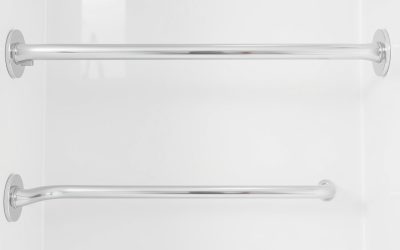
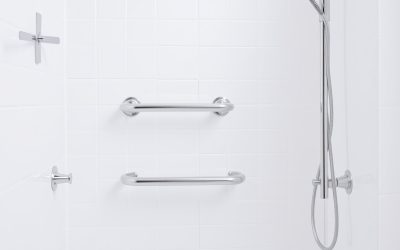
- Grab bars anchored into blocking. Ask the contractor to install wood blocking behind the walls everywhere a bar might ever be needed, even if you do not mount every bar now. Our grab bar installation guide covers placement heights and styles.
- A low or zero threshold. Aim for four inches or less; zero is ideal for walker and wheelchair users.
- A built-in or fold-down bench. Seated bathing dramatically reduces fall risk. A freestanding shower chair works too, but a wall-mounted bench saves space.
- A handheld showerhead on a slide bar. Essential for seated bathing. See our roundup of handheld showerheads for elderly users.
- Slip-resistant flooring. Choose textured pan surfaces or small-format tile with lots of grout lines, and add a quality non-slip shower mat if needed.
- Anti-scald valve. A thermostatic mixing valve prevents dangerous temperature spikes, which matter more for older skin.
- Good lighting and ventilation. A bright, moisture-rated light over the shower helps aging eyes judge surfaces.
What the Conversion Process Looks Like
A typical professional conversion follows a predictable sequence. First comes an in-home assessment, where the installer measures the alcove, checks the subfloor for water damage, and locates the drain and supply lines. Moving a drain adds time and cost, so most conversions keep the new shower in the old tub footprint.
Demolition day is loud but quick: the old tub, surround, and usually a strip of drywall come out. The installer then repairs the subfloor if needed, sets the shower pan or builds the tiled base, installs the wall system, mounts the fixtures and grab bars, and seals everything. With a prefab system, you may be showering again in two or three days; tile work takes longer because of curing times.
Before work begins, confirm in writing who is pulling permits, whether plumbing changes are included, and how change orders are priced. Reputable companies will provide proof of licensing and insurance without hesitation.
Costs, Funding Help, and Avoiding High-Pressure Sales
Prices vary enormously by market and scope, which is exactly why multiple quotes matter. Be wary of any salesperson offering a huge “today only” discount; that is a classic pressure tactic in this industry. A trustworthy quote itemizes demolition, materials, labor, plumbing, and disposal.
Several programs can offset costs for qualifying households. Some state Medicaid waivers cover home accessibility modifications, the VA offers grants such as HISA for eligible veterans, and many Area Agencies on Aging maintain lists of local home-modification assistance programs and vetted contractors. Original Medicare generally does not pay for bathroom remodels, though it is always worth confirming your specific coverage. While you are planning, it is smart to address the rest of the room too; our guide to bathroom safety essentials for aging in place covers toilet rails, lighting, and flooring upgrades that pair well with a new shower.
If a full conversion is out of reach right now, a tub transfer bench is an inexpensive interim solution that lets you sit and slide over the tub wall instead of stepping over it.
Talk to Your Doctor or Therapist First
Before finalizing the design, consider asking your doctor for a referral to an occupational or physical therapist for a home safety evaluation. An OT can watch how you actually move and recommend exact grab bar locations, bench height, and threshold style for your specific abilities, both now and as they may change. This single appointment often improves the design more than any catalog feature, and it helps ensure the money you spend solves the right problems.
Frequently Asked Questions
Does a tub to shower conversion hurt resale value?
Real estate agents generally advise keeping at least one tub somewhere in the house for buyers with young children. If the home has a second bathroom with a tub, converting the main one to a walk-in shower rarely hurts value, and accessibility features increasingly appeal to buyers planning to age in place themselves.
How long does a conversion take?
A prefab insert conversion typically takes one to three days. A custom tiled or curbless shower usually takes one to two weeks because of waterproofing and grout curing stages. Plumbing relocations or subfloor repairs add time.
Will Medicare pay for converting my tub to a walk-in shower?
Original Medicare generally does not cover bathroom remodeling because it is considered a home modification rather than durable medical equipment. Some Medicare Advantage plans, state Medicaid waiver programs, and VA grants do offer help, so check your specific plan and ask your Area Agency on Aging about local programs.
Is a curbless shower worth the extra work?
If anyone in the home uses a walker or wheelchair, or likely will, yes. A zero-entry shower allows wheeled access and eliminates the threshold trip hazard entirely. It requires regrading the floor for drainage, which is easiest to do during a full conversion rather than later.
Can I keep bathing if I convert the tub?
You lose the soaking function unless you choose a walk-in tub instead. Many seniors find a bench plus handheld sprayer comfortable enough that they do not miss baths, but if soaking is important for arthritis relief, compare a walk-in tub before deciding.
Related Reviews & Guides




Wide Shower Bench: Best Adjustable Options for Seniors…

Quick Picks: Best Handheld Shower Heads for Elderly