Last Updated: September 13, 2026


Introduction
The toilet area is one of the highest fall-risk zones in any home for elderly individuals — the act of lowering onto and rising from the toilet requires significant lower body strength and balance, both of which commonly diminish with age. Installing a toilet grab bar provides a secure handhold that reduces the risk of falls and takes pressure off arthritic knees and hips. Whether the goal is post-surgery recovery support or long-term bathroom safety, the right toilet grab bar is a straightforward, cost-effective modification that can make a meaningful difference every single day.
Key Features to Look For
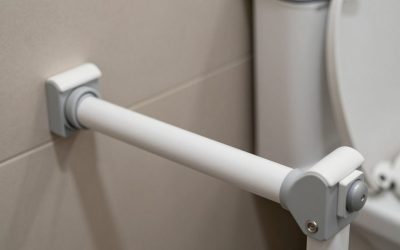
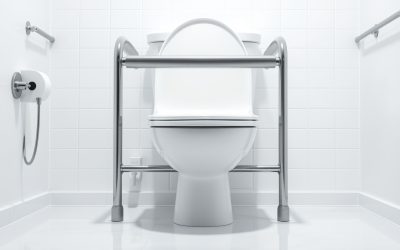
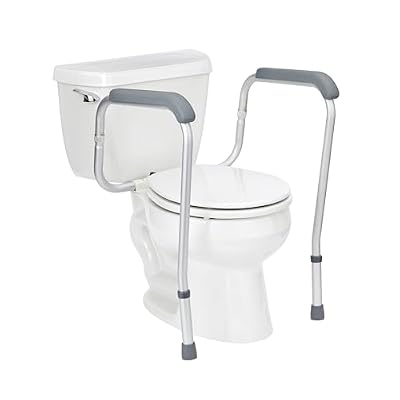
- Mounting Style: Wall-mounted bars offer the most secure, permanent support. Floor-mounted safety frames provide strong support without wall installation. Clamp-on toilet safety rails attach to the toilet itself — requiring no drilling but offering less load capacity.
- Weight Capacity: Always verify the bar’s rated weight capacity exceeds the user’s weight with a comfortable margin. Wall-mounted bars typically support 250–500 lbs when properly anchored to studs.
- Bar Diameter & Texture: A 1.25–1.5 inch diameter bar with a textured or knurled surface provides the most secure, comfortable grip for elderly hands. Avoid smooth bars that can slip when wet.
- Length & Positioning: The bar should be long enough to provide a grip point before, during, and after the lowering/rising motion — typically 18–24 inches for wall bars or adjustable for safety frames.
Top Toilet Grab Bar Picks for Elderly
Moen Home Care 42-Inch Toilet Safety Bar
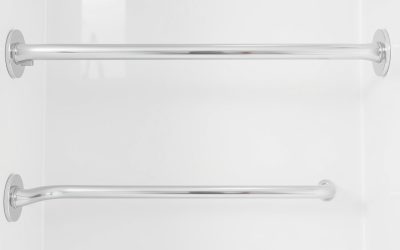
Moen’s 42-inch wall-mounted toilet safety bar is a premium, durable option that installs beside the toilet and provides a full-length gripping surface from a standing position all the way through the seated position. The stainless steel construction with textured gripping zone resists corrosion and slipping. It supports up to 500 lbs when installed into wall studs per the included instructions. Available in brushed nickel and chrome finishes that complement modern bathroom fixtures. A professional-grade choice for permanent installation.
As an Amazon Associate we earn from qualifying purchases at no extra cost to you.



Drive Medical Toilet Safety Rail
The Drive Medical Toilet Safety Rail is a freestanding option that clamps securely to the toilet bowl and provides bilateral armrests — support on both sides of the user — which is ideal for seniors who need to push up from both arms rather than pull from one side. It adjusts in height and width to fit most standard and elongated toilets, and the padded armrests are comfortable for extended use. No tools or wall drilling are required, making it a practical choice for rental homes, shared bathrooms, or temporary recovery needs. Supports up to 250 lbs.
Carex Health Brands Toilet Safety Frame
The Carex Toilet Safety Frame is a floor-standing frame that surrounds the toilet with a full grip rail on each side, offering the most stable and supportive structure available for seniors with significant lower-body weakness or post-surgical limitations. It supports up to 300 lbs and requires no installation — simply position it around the toilet. Height-adjustable legs accommodate most toilet heights. A padded seat option is available for seniors who need additional comfort support during sitting. Widely used in post-hospitalization home recovery setups.
Key Safety Features in a Toilet Grab Bar
A toilet grab bar gives seniors a stable handhold when sitting down and standing up, two of the riskiest moments in the bathroom. The most important feature is secure, weight-bearing mounting, so a well-built bar that anchors firmly is essential. Bars come in several styles: wall-mounted bars bolt into studs or backing, floor-mounted safety frames stand around the toilet, and clamp-on rails attach to the toilet itself. Each suits a different bathroom layout and user need.
Grip and capacity round out a safe choice. Look for a textured or coated surface that stays easy to hold even when wet, and confirm the bar’s weight rating comfortably exceeds the user’s weight. The diameter should be comfortable for the user to wrap a hand around, and the finish should resist rust in a humid bathroom. Positioning the bar at the right height and reach for the individual makes it genuinely useful rather than just present.
Installing and Using a Toilet Grab Bar Safely
Proper installation is the heart of grab bar safety. Wall-mounted bars must be anchored into wall studs or solid blocking, not just drywall, using appropriate hardware so they can bear full weight; suction-only bars are not reliable for transfers. Floor-mounted frames should rest level and stable, and clamp-on rails must be tightened firmly to the toilet and checked regularly. If you are unsure about anchoring, a handyman or contractor can install a wall bar securely.
Day-to-day, a stable setup and good habits prevent falls. Keep the floor around the toilet dry, position any non-slip mats so they do not bunch, and test that the bar feels solid before leaning on it. Re-check clamps and bolts periodically, since they can loosen with use, and inspect the bar for any rust or movement. For users with significant balance or strength challenges, an occupational therapist can recommend the safest bar style and placement.
Frequently Asked Questions
Are suction grab bars safe for the toilet?
Suction bars can lose grip and are not reliable for bearing full body weight during transfers. For safety, a wall-mounted bar anchored into studs or a floor frame is recommended.
Where should a toilet grab bar be placed?
Placement depends on the user’s reach and the bathroom layout, typically beside or behind the toilet at a height that supports sitting and standing. An occupational therapist can advise.
How much weight can a grab bar hold?
Properly installed bars are rated to support substantial weight. Check the stated capacity and ensure it comfortably exceeds the user’s weight.
Can I install a grab bar myself?
Wall bars must anchor into studs or solid backing with proper hardware. If you are unsure about secure mounting, have a handyman or contractor install it.
What grab bar style is best around a toilet?
Wall-mounted bars, floor-standing safety frames, and clamp-on rails each suit different needs and bathrooms. Choose based on the layout and the user’s support requirements.
Final Thoughts
Toilet grab bars and safety rails are among the most cost-effective fall-prevention investments for senior bathrooms, with benefits felt every single day. For the most secure and permanent solution, wall-mounted bars anchored into studs are strongly preferred — consult a handyperson or occupational therapist if you are unsure about proper installation. An occupational therapist can assess the full bathroom environment and recommend the ideal grab bar configuration for your loved one’s specific mobility needs.
Related Reviews & Guides




8 Best Bath Seats for Elderly: Shower Chairs & Tub Benches

Wide Shower Bench: Best Adjustable Options for Seniors…