Last Updated: September 9, 2026
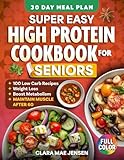
- Top Pick: High-Protein Soft & Easy Meals for Seniors: For Low Appetite & Chewing Difficulties. Comfort Recipes, Small Portions, Texture Tips & a 28-Day Plan to Help You or Your Loved One Stay Strong
- Best Value: The High-Protein Mediterranean Cookbook for Seniors: 100 Healthy and Easy Recipes for Strength, Energy, and Healthy Aging, Plus a 21-Day Meal Plan
- Premium Choice: High Protein Meals for Seniors: 100 Quick and Easy Recipes plus 28 Day Meal Plan (Nora Hart's Senior Kitchen Collection)
Top Easy High Protein Meals Seniors Picks for 2026
Here are our current top easy high protein meals seniors picks, compared on real Amazon owner reviews, price, and features. Live prices update below.
Finding easy high protein meals for seniors matters more than most people realize. As we age, the body becomes less efficient at turning dietary protein into muscle — a phenomenon nutrition researchers call anabolic resistance — at the very time muscle naturally declines. The result is that older adults generally need more protein than younger adults, not less, yet appetite, chewing comfort, cooking energy, and budget often push the other way. The good news: eating enough protein does not require complicated recipes or expensive supplements. This guide covers why protein matters so much later in life, roughly how much to aim for, and a full day’s worth of simple, senior-friendly meal and snack ideas. As always, talk with your doctor or a registered dietitian before making big dietary changes — especially if you have kidney disease, diabetes, or are on a medically restricted diet.
As an Amazon Associate we earn from qualifying purchases at no extra cost to you.


Why Protein Matters More After 65
Protein is the raw material for muscle, and muscle is the engine of independence: it powers standing up from a chair, climbing stairs, catching yourself when you stumble, and recovering from illness or surgery. Age-related muscle loss (sarcopenia) accelerates when protein intake is low, and the combination of weak muscles and poor balance is a primary driver of falls. Protein also supports bone health, immune function, and wound healing.
Many experts in geriatric nutrition suggest older adults aim higher than the standard adult recommendation — a commonly cited range is roughly 1.0 to 1.2 grams of protein per kilogram of body weight daily for healthy seniors, with more sometimes advised during illness or recovery. Just as important is spreading protein across the day: the body builds muscle better from three meals with solid protein each than from one protein-heavy dinner. Pairing good protein intake with gentle strength training or chair exercises multiplies the benefit — muscles need both the building blocks and the stimulus.
Easy High-Protein Breakfasts
Breakfast is where most seniors fall shortest on protein — toast and coffee simply do not do the job. These take ten minutes or less:
- Greek yogurt parfait: plain Greek yogurt (roughly double the protein of regular yogurt) layered with berries and a spoonful of granola or chopped nuts.
- Eggs any way: two eggs scrambled with a sprinkle of cheese; add a slice of whole-grain toast. Hard-boil a batch on Sunday for grab-and-go protein all week.
- Cottage cheese bowl: cottage cheese with peaches or pineapple — soft, inexpensive, and protein-dense.
- Protein oatmeal: cook oats in milk instead of water, then stir in peanut butter or chopped walnuts.
- Smoothie: milk or soy milk blended with Greek yogurt, a banana, and frozen berries — ideal on days when chewing or appetite is an issue. A scoop of protein powder boosts it further; see our guide to the best protein powders for seniors.
Simple Lunches and Dinners
The pattern for effortless high-protein main meals: one protein anchor plus vegetables plus an easy starch. Lean on shortcuts without guilt — rotisserie chicken, canned fish, frozen vegetables, and microwaveable rice are legitimate tools for cooking for one or two.
- Tuna or salmon salad on whole-grain bread or over greens — canned fish is one of the cheapest, easiest proteins available.
- Rotisserie chicken stretched across several meals: with vegetables tonight, in soup tomorrow, in a wrap the day after.
- Hearty soups: lentil, split pea, bean and ham, or chicken and rice — make a pot, freeze portions in single servings.
- Baked salmon or white fish with frozen vegetables — tender, quick, and easy to chew.
- Eggs for dinner: a vegetable omelet or frittata is a perfectly respectable evening meal for one.
- Slow-cooker favorites: chili, pot roast, or chicken stew — one session of effort, many meals of payoff.
Protein-Smart Snacks
For seniors with small appetites, snacks are not extras — they are where the missing protein gets made up. Keep these on hand: string cheese, hard-boiled eggs, peanut butter on apple slices or crackers, a handful of nuts, hummus with soft pita, cottage cheese cups, Greek yogurt, and milk-based drinks. A glass of milk with a meal quietly adds about 8 grams of protein with zero effort.
How Much Protein Is in Common Foods?
| Food | Typical Serving | Approximate Protein |
|---|---|---|
| Chicken breast | 3 ounces cooked | About 26 g |
| Canned tuna | 3 ounces | About 20 g |
| Greek yogurt | 3/4 cup | About 15 g |
| Cottage cheese | 1/2 cup | About 12 g |
| Lentils or beans | 1 cup cooked | About 15–18 g |
| Eggs | 2 large | About 12 g |
| Milk | 1 cup | About 8 g |
| Peanut butter | 2 tablespoons | About 7 g |
Values are approximate and vary by brand and preparation, but the table makes the day’s math manageable: a Greek yogurt breakfast, tuna sandwich lunch, chicken dinner, and a milk or cheese snack lands most seniors comfortably in the recommended range.
Tips for Small Appetites and Chewing Difficulties
When appetite shrinks, make every bite count: eat the protein portion of the meal first, choose smaller but more frequent meals, and use fortified additions — powdered milk stirred into soups and mashed potatoes, cheese melted into vegetables, nut butters into oatmeal. For chewing or denture discomfort, favor naturally soft proteins: eggs, fish, Greek yogurt, cottage cheese, well-cooked beans, ground meats in sauces, and smoothies. Persistent mouth pain deserves a dental visit, and well-maintained dentures matter — our denture care guide can help. Remember fluids too: protein metabolism needs adequate water, and dehydration is a stealthy problem for seniors. Finally, if cooking energy is the bottleneck, batch-cook with a family member, explore Meals on Wheels, or anchor meals to social time — eating with others reliably improves intake, one more reason to invest in staying connected.
Frequently Asked Questions
How much protein does a senior need each day?
A commonly cited guideline for healthy older adults is about 1.0 to 1.2 grams per kilogram of body weight daily — for a 150-pound person, roughly 68 to 82 grams. Needs rise during illness or recovery and may need limiting with kidney disease, so confirm your personal number with your doctor or a dietitian.
What is the cheapest way to eat more protein?
Eggs, canned tuna, dried or canned beans, lentils, cottage cheese, peanut butter, and milk deliver the most protein per dollar. A pot of lentil soup and a dozen hard-boiled eggs cover days of high-protein eating for very little money.
Are protein shakes good for seniors?
They are a useful supplement when meals alone fall short — especially for small appetites, chewing problems, or recovery after illness — but food should stay the foundation because it brings vitamins, minerals, and fiber along with the protein. Choose a shake or powder with modest added sugar, and ask your doctor if you have kidney concerns.
Can you eat too much protein?
For most healthy older adults, moderately high protein intake is safe, and under-eating protein is by far the more common problem. The main exception is significant kidney disease, where protein may need to be limited under medical guidance — another reason the doctor conversation matters.
What are the best soft high-protein foods for denture wearers?
Scrambled eggs, Greek yogurt, cottage cheese, flaky baked fish, well-cooked lentils and beans, ground turkey or beef in sauces, smooth nut butters, and milk-based smoothies all deliver substantial protein with minimal chewing effort.
Related Reviews & Guides




9 Best Orthofeet Shoes for Seniors with Wide Feet

Quick Picks: Best Senior Dressing Sticks with Button Hooks