Last Updated: September 7, 2026
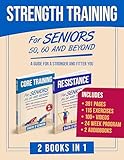
- Top Pick: Strength Training For Seniors – Resistance and Core : An ideal blend of Exercises for Effective, Safe, At-Home Strength Training for All Seniors + 2 Audiobooks … 100+ Videos (For Seniors 50, 60 and Beyond)
- Best Value: Seated Dumbbell Exercises for Seniors Workout Chart Poster-Senior Strength Training Chair Fitness Low Impact Balance Exercise Wall Art Print for Home Gym Apartment Decor 12X16 in Unframed
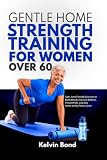
- Premium Choice: Strength Training After 60 For Beginners: Simple At-Home Exercises to Rebuild Muscle, Improve Balance, and Stay Independent A Gentle 12-Week Program| Large Print Edition
Top Strength Training Seniors Safe Home Picks for 2026
Here are our current top strength training seniors safe home picks, compared on real Amazon owner reviews, price, and features. Live prices update below.
As an Amazon Associate we earn from qualifying purchases at no extra cost to you.


Strength training for seniors is not about lifting heavy barbells or chasing gym records — it is about preserving the muscle that keeps you independent. The strength to rise from a chair, carry groceries, climb stairs, and catch yourself after a stumble all depends on muscle, and muscle responds to training at every age. With nothing more than your own body weight, a sturdy chair, and perhaps a set of light bands or dumbbells, you can build a safe, effective routine at home. This guide explains the benefits, the safety essentials, and seven foundational exercises with step-by-step instructions.
Why Strength Training Matters More After 60
Adults naturally lose muscle mass with each passing decade, a process called sarcopenia, and the decline accelerates without regular use. Less muscle means weaker bones, slower metabolism, poorer balance, and a higher risk of falls and frailty.
Resistance training pushes back on all of it. Regular strength work helps older adults maintain bone density, steady blood sugar, protect joints by strengthening the muscles around them, improve balance and posture, and stay capable of everyday tasks. It also pairs beautifully with balance practice and gentle cardio like walking — together they form the foundation of healthy aging. Good supportive footwear helps you train safely; see our picks for the best shoes for seniors.
Before You Lift: Safety Guidelines
- Get medical clearance. Talk to your doctor before starting, particularly if you have heart disease, high blood pressure, osteoporosis, or joint replacements.
- Warm up first. Two to three minutes of marching in place or gentle arm circles prepares muscles and joints.
- Keep support nearby. Do standing exercises beside a counter or sturdy chair.
- Start light. Begin with body weight or the lightest resistance, and only add more when you can complete all repetitions with good form.
- Breathe out on the effort. Never hold your breath — it spikes blood pressure.
- Rest between sessions. Muscles grow during recovery, so leave at least one day between strength workouts for the same muscles.
7 At-Home Strength Exercises with Instructions
1. Sit-to-Stand (Chair Squat)
Sit at the front edge of a firm chair, feet hip-width apart. Lean slightly forward and push through your heels to stand, then lower yourself back down slowly over three seconds. Do 8 to 12 repetitions. This is the king of senior strength exercises because it trains the exact movement independence depends on.
2. Wall Push-Ups
Stand facing a wall, hands flat on it at shoulder height, feet a step back. Bend your elbows to bring your chest toward the wall, then push back to the start. Do 8 to 12 repetitions to strengthen chest, shoulders, and arms for pushing doors, carts, and yourself up from the floor.
3. Counter Heel Raises
Holding a countertop, rise slowly onto the balls of your feet, pause, and lower over three seconds. Do 10 to 15 repetitions. Strong calves power walking and help you recover from small stumbles.
4. Seated Leg Extensions
Sitting tall, straighten one knee until the leg is extended, hold two seconds, and lower slowly. Do 8 to 12 per leg. Add a light ankle weight when it becomes easy. Strong thighs protect knees and make stairs manageable.
5. Bent-Over Band Rows
Sit on a chair with a resistance band looped under your feet. Hinge slightly forward with a flat back and pull the band handles toward your hips, squeezing your shoulder blades together. Do 8 to 12 repetitions. Rowing strengthens the upper back and fights the rounded posture that creeps in with age — our guide to the best resistance bands for elderly users covers gentle options.
6. Biceps Curls
Hold light dumbbells, soup cans, or band handles at your sides, palms forward. Curl your hands toward your shoulders, then lower over three seconds. Do 8 to 12 repetitions. Arm strength makes lifting groceries, grandchildren, and laundry baskets easier.
7. Side Hip Raises
Standing tall behind a chair, lift one leg out to the side a few inches, keeping your torso upright, then lower with control. Do 10 per side. The outer hip muscles keep you stable on one leg every time you take a step.
How to Build Your Weekly Routine
Two strength sessions per week on non-consecutive days is an excellent starting point, building toward two or three. Begin with one set of each exercise and progress to two or three sets over a month. When 12 repetitions feel easy, increase resistance slightly rather than doing endless reps. On non-strength days, gentle activities keep you moving without interfering with recovery. For more tools and ideas, browse our roundup of the best exercise equipment for seniors, and consider pairing your strength days with the balance work in a tai chi or similar program.
Listening to Your Body: When to Stop
Stop immediately if you feel chest pain or pressure, serious shortness of breath, dizziness, or sharp joint pain, and contact your doctor if symptoms continue. Mild muscle soreness a day or two after training is normal; joint pain during an exercise is not — reduce the range of motion or skip that movement. If you train alone, having a fall detection device nearby adds an extra layer of security, and supportive gear such as an ankle brace or back support may help some users feel steadier — ask your doctor what is appropriate for you.
Frequently Asked Questions
Am I too old to start strength training?
No. Research shows adults in their 70s, 80s, and even 90s gain strength with appropriate resistance training. The starting point is lighter and progress is gradual, but the benefits are real at any age.
How heavy should my weights be?
Choose a resistance where the last two repetitions of a set feel challenging but doable with good form. For many beginners that means one to five pound weights or a light band — and body weight alone is plenty at first.
Is strength training safe with osteoporosis?
Often it is not only safe but recommended, because loading bones helps maintain density. However, people with osteoporosis should avoid certain movements such as deep forward bending or twisting under load, so get personalized guidance from your doctor or physical therapist.
How long before I notice results?
Many seniors feel noticeably stronger within four to six weeks. Early gains come from your nervous system learning to use the muscle you have; visible muscle changes follow with continued training.
Should I do strength training or cardio?
Both, ideally. Strength training preserves muscle and bone, while walking or other cardio supports your heart and stamina. They complement each other, and most weekly plans for older adults include both.
Related Reviews & Guides




11 Best Dressing Aid Tools for Elderly: Get Dressed Easily

4 Best Electric Toothbrushes for Elderly with Arthritis