Last Updated: September 5, 2026
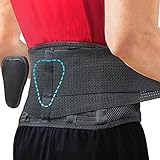
- Top Pick: Sparthos Back Brace for Women & Men, Sciatica, Lower Back Pain – Black-L
- Best Value: FEATOL Back Brace for Women & Men, Lower Back, Sciatica Pain Relief
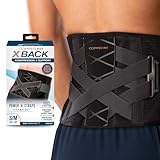
- Premium Choice: Copper Fit X-Back Brace for Lower Back Pain, Lumbar Support, Herniated Disc, Sciatica, Arthritis – Adjustable, Breathable Design – for Men and Women (Large/XLarge)
Introduction
Chronic lower back pain affects a large proportion of seniors, often stemming from lumbar osteoarthritis, spinal stenosis, degenerative disc disease, or muscle weakness. A well-fitted back brace can reduce pain, improve posture, and allow seniors to remain more active during recovery or daily activities. Here are the key features and the best models to consider.
Key Features to Look For
- Level of Support: Lightweight elastic braces suit mild pain and daily postural support; rigid or semi-rigid braces with stays (metal or plastic inserts) provide more substantial support for moderate to severe pain.
- Ease of Donning: Pull-on belts or simple hook-and-loop closures are far easier for seniors to manage independently than complicated strapping systems.
- Breathability: Mesh panels or perforated neoprene reduce heat and sweat buildup during all-day wear, which encourages consistent use.
- Width Coverage: A taller brace (8 to 10 inches) covers a larger portion of the lumbar spine, distributing support more evenly and reducing localized pressure points.
- Adjustability: Dual-pull tension systems allow the senior or caregiver to customize compression level, which is especially useful if swelling changes throughout the day.
Top Picks for Seniors
Mueller Lumbar Support Back Brace
Mueller is a widely respected sports medicine brand, and their lumbar support back brace is a top seller for seniors and workers with lower back pain. It features a lightweight elastic design with built-in plastic stays for structured support, a hook-and-loop closure, and adjustable tension straps. The breathable construction makes it comfortable for all-day wear, and it fits waist sizes from 28 to 50 inches.
As an Amazon Associate we earn from qualifying purchases at no extra cost to you.



BraceAbility Lumbar Lordosis Back Brace
BraceAbility's lumbar brace is designed specifically to support the natural inward curve (lordosis) of the lower spine — a common concern for seniors with degenerative disc disease or post-surgical needs. It features adjustable tension pulls, rigid posterior stays, an abdominal support panel, and a breathable mesh lining. Multiple size options ensure a proper, supportive fit.
Aspen Medical Products QuikDraw Back Brace
The Aspen QuikDraw is a medical-grade lumbar brace with a patented pulley compression system that provides firm, evenly distributed support without requiring the user to pull tight straps. The design makes it particularly suitable for seniors with limited hand strength or dexterity. It includes contoured rigid posterior panels and is recommended by spine surgeons for post-operative and chronic pain management.
Choosing a Back Brace for Comfort and Support
A lumbar back brace can offer gentle support and a reminder to keep good posture, which some seniors find eases everyday strain, so fit and comfort are the first things to get right. The brace should match the user’s waist measurement and offer adjustable straps so the level of support can be fine-tuned without being uncomfortably tight. Breathable, moisture-wicking material keeps the skin cool during longer wear, and soft edges prevent rubbing or pinching. A brace that is too bulky or stiff often goes unused, so a balance of supportive structure and comfort encourages consistent, correct wear.
Closure design and ease of use matter for older hands. Look for a brace with a wide, easy-grip closure and pull tabs that someone with arthritis or limited reach can fasten without help, since a brace that is hard to put on alone may not get worn. Lumbar support panels or stays can add stability, but the right amount of firmness depends on the person and the reason for wearing it. Because back problems vary widely and the wrong brace or improper use can sometimes do more harm than good, it is important to have a doctor or physical therapist confirm whether a brace is appropriate and recommend the type and fit for the individual.
Wearing a Back Brace Safely and Caring for It
A back brace works best when worn correctly and as part of a broader plan rather than relied on around the clock. Position it so the support sits over the lower back as intended, snug enough to feel supportive but not so tight that it restricts breathing or circulation. Many braces are meant for use during specific activities, such as standing or light tasks, rather than continuous wear, since over-reliance can weaken the muscles that support the back over time. Following the doctor’s or therapist’s guidance on when and how long to wear it is key.
Caring for the brace keeps it effective and comfortable. Check the skin underneath for redness or irritation, especially when first using it, and loosen or remove the brace if discomfort develops. Keep it clean by following the care label, often a gentle hand wash and air dry, so it stays fresh against the skin. Importantly, a back brace is a supportive aid, not a treatment for the cause of back pain. Anyone with ongoing or worsening pain, numbness, tingling, or weakness should see a doctor, who can determine the cause and whether a brace, along with exercises or other care, is appropriate. A physical therapist can also teach safe movement and strengthening that support the back long term.
Frequently Asked Questions
Will a back brace cure back pain?
No. A brace is a supportive aid, not a treatment for the cause of pain. Ongoing or worsening pain, numbness, tingling, or weakness should be evaluated by a doctor, who can determine the cause and the right plan.
How long should a senior wear a back brace each day?
Many braces are meant for use during specific activities rather than continuous wear, since over-reliance can weaken supporting muscles. Follow the guidance of a doctor or physical therapist on when and how long to wear it.
How do I choose the right size back brace?
Match it to the user’s waist measurement and choose one with adjustable straps so support can be fine-tuned. Easy-grip closures help arthritic hands fasten it without assistance. A therapist can confirm the right type and fit.
Are back braces safe for everyone?
Not necessarily. The wrong brace or improper use can sometimes do more harm than good, so it is important to have a doctor or physical therapist confirm a brace is appropriate before relying on one.
Final Thoughts
A back brace is a useful short-term tool for pain management and activity support, but it should be used as part of a comprehensive treatment plan that includes core strengthening and flexibility exercises. Long-term reliance on a brace without rehabilitation can weaken supporting muscles over time. Consult with a spine specialist, orthopedic physician, or physical therapist before selecting and using a back brace for chronic conditions.
Related Reviews & Guides



Senior Knee Brace Support Wrap Review
11 Best Knee Braces for Elderly: Support & Pain Relief for Arthritic Knees