Last Updated: October 4, 2026
- Top Pick: Tai Chi Workout Chart Poster Set for Seniors&Beginners,Purple,11.8X8.3inch
- Best Value: Tai Chi for Seniors over 60: Complete Guide to Feel & Look 10 Years Younger in Just 10 Minutes a Day – Tai Chi Exercises for Elderly – Exercise Book for Seniors & Weight Loss
- Premium Choice: Tai Chi Walking for Seniors, Spiral Bound 28 Day Morning Plan, Tai Chi Book for Beginners 10 Min Routine with Very Clear Step by Step, Traditional Chinese Health Techniques for Mobility, Balance and Fall Prevention (No Video) Purple
Top Tai Chi Seniors Gentle Beginner Picks for 2026
Here are our current top tai chi seniors gentle beginner picks, compared on real Amazon owner reviews, price, and features. Live prices update below.


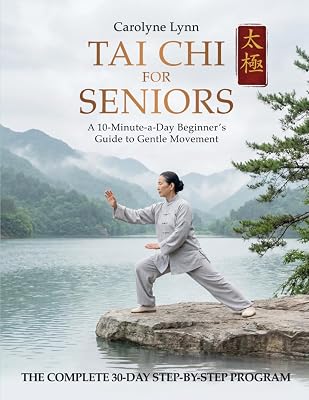
Tai chi for seniors is often described as “meditation in motion,” and it has earned a reputation as one of the best low-impact exercises for older adults. This ancient Chinese practice combines slow, flowing movements with deep breathing and quiet concentration. Unlike high-impact workouts, tai chi is gentle on joints, requires no equipment, and can be adapted for almost any fitness level — including practice from a chair. In this beginner’s guide, you will learn what makes tai chi so valuable for healthy aging, how to start safely, and several foundational movements you can try at home.
As an Amazon Associate we earn from qualifying purchases at no extra cost to you.


Related: best mobility canes and walking aids.
What Is Tai Chi and Why Is It So Good for Seniors?
Tai chi began centuries ago as a martial art and gradually evolved into a health practice built around sequences of postures called “forms.” Each movement flows into the next at a slow, deliberate pace, with weight shifting smoothly from one leg to the other while the upper body stays relaxed and upright.
That weight-shifting is precisely why tai chi shines for older adults. Practicing controlled transfers of body weight trains the legs, ankles, and core — the exact systems responsible for keeping you steady on your feet. Research has repeatedly linked regular tai chi practice with improved balance and a reduced risk of falling in older adults. Beyond balance, practitioners commonly report less joint stiffness, better posture, calmer mood, lower stress, and improved sleep.
Because falls remain one of the biggest threats to senior independence, tai chi pairs naturally with other prevention steps such as wearing proper footwear — see our guide to the best shoes for seniors for fall prevention — and making the home safer with our senior bathroom safety checklist.
Before You Start: Safety Guidelines
- Check with your doctor first, especially if you have heart conditions, severe arthritis, osteoporosis, joint replacements, or dizziness when standing.
- Practice near support. Keep a sturdy chair, countertop, or wall within arm’s reach for your first weeks of practice.
- Wear flat, supportive shoes with thin, non-slip soles so you can feel the floor.
- Clear your practice space of rugs, cords, and clutter.
- Go at your own pace. Movements should never cause pain. Bend your knees only as far as is comfortable.
- Seated adaptation is always an option. Almost every arm movement can be practiced from a firm chair while you build confidence.
5 Foundational Tai Chi Movements for Beginners
1. Tai Chi Stance and Standing Meditation
Stand with feet shoulder-width apart, knees softly bent, arms relaxed at your sides. Imagine your head suspended gently from above. Breathe slowly into your belly for one to two minutes. This teaches the relaxed, rooted posture that underlies every other movement.
2. Wave Hands Like Clouds
From the basic stance, float both hands up in front of your body, one at chest height and one at waist height. Slowly shift your weight to the right as your hands drift right, then exchange hand positions and drift left as your weight shifts left. Continue flowing side to side for 8 to 10 slow repetitions. This movement trains gentle weight transfer — the heart of balance training.
3. Brush Knee
Step your left foot forward a comfortable distance. As you shift weight onto the front foot, sweep your left hand past your left knee while your right hand pushes gently forward at chest height. Shift back, then repeat 5 times before switching sides. Keep the movement soft and unhurried.
4. Golden Rooster (Modified Leg Lift)
Stand beside a chair, holding its back with one hand. Slowly shift your weight onto your right leg and lift your left knee a few inches — only as high as feels secure. Hold for two to three breaths, lower, and switch sides. Repeat 3 to 5 times per leg. Over weeks, you may lighten your grip to one finger, then hover your hand.
5. Closing Form: Gathering Energy
Stand quietly and float both arms out to the sides and overhead as you inhale, then let the hands drift slowly down the centerline of your body as you exhale, as if pressing soft water downward. Repeat three times to finish your session feeling calm and centered.
How to Practice and Progress
Begin with 10 minutes a day, three to five days a week. Consistent short sessions build skill and balance faster than occasional long ones. After a few weeks, look for a beginner class in styles commonly taught to seniors, such as Yang style or simplified short forms — many senior centers, YMCAs, and community programs offer them, and group classes add a valuable social benefit. If you currently use a mobility aid, keep using it as you learn; our walking cane guide and best canes for balance roundup explain how to choose support that fits you properly. Strength work on alternate days also accelerates progress — gentle options are covered in our resistance band guide for elderly users.
When to Stop and Talk to Your Doctor
Stop your session if you experience chest pain, significant shortness of breath, dizziness, or sharp pain in any joint, and consult your physician if symptoms persist. If you practice alone and have a history of falls, consider a fall detection device for seniors so help is always within reach. Tai chi should leave you feeling refreshed, not exhausted or sore in your joints.
Frequently Asked Questions
Is tai chi safe for seniors with arthritis?
Generally yes — the slow, fluid movements are gentle on joints, and many arthritis organizations recommend tai chi programs. Move within a comfortable range and confirm with your doctor or physical therapist first.
How long does it take to see balance improvements?
Many older adults notice steadier footing and greater confidence within 8 to 12 weeks of regular practice, though even a few weeks of consistent sessions can begin to help.
Can I learn tai chi from videos at home?
Home videos are a fine way to start, especially for the basic movements above. An in-person beginner class is worth adding when possible, because an instructor can correct your posture and adapt movements to your needs.
Do I need special clothing or equipment?
No equipment is required. Wear loose, comfortable clothing and flat, supportive non-slip shoes. A sturdy chair nearby for support is the only “gear” beginners need.
Is seated tai chi still beneficial?
Yes. Seated practice preserves the breathing, upper-body flow, and relaxation benefits, and it is an excellent starting point for anyone with significant balance or mobility limitations.
Related Reviews & Guides




8 Best Adjustable Overbed Tables for Seniors: Eating, Reading, and More

8 Best Easy-Grip Kitchen Tools for Elderly & Arthritic Hands