Last Updated: October 9, 2026
- Stay Connected to Conversations and Daily Life With a Hearing Amplifier
- Buying Guide: How to Choose a Hearing Amplifier
- What to Look for in a Hearing Amplifier
- Getting the Most From Your Device and Knowing When to See a Professional
- Building a Routine That Makes the Most of an Amplifier
- Related Guides
- Frequently Asked Questions
- Final Thoughts
- Related Guides
Stay Connected to Conversations and Daily Life With a Hearing Amplifier
Mild to moderate hearing loss affects the majority of adults over 65, yet many go without hearing aids due to cost or the perceived complexity of getting fitted. A hearing amplifier for seniors offers an accessible, affordable alternative for those who want to boost everyday sounds — conversations, TV audio, bird songs, doorbells — without a prescription or audiologist visit.
Modern personal sound amplification products (PSAPs) have become remarkably sophisticated, offering multiple frequency settings, rechargeable batteries, and discreet designs. While they are not medical devices and cannot replace prescription hearing aids for significant hearing loss, they are excellent for mild hearing difficulty and situational use.
As an Amazon Associate we earn from qualifying purchases at no extra cost to you.


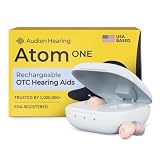

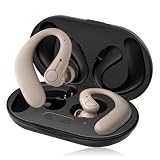


1. Britzgo Digital Hearing Amplifier
The Britzgo is a best-seller on Amazon and one of the most recommended entry-level hearing amplifiers for seniors. It fits behind the ear discreetly, offers four volume settings, and uses a Size 13 battery with approximately 500 hours of life. The sound tube and ear tip are replaceable, and it comes with multiple ear tip sizes for a comfortable fit.
2. Otofonix Elite Hearing Amplifier
The Otofonix Elite is a step up in sophistication, featuring four sound frequency settings and four volume levels to fine-tune amplification to your specific hearing profile. It has a digital noise reduction circuit that reduces background noise for clearer speech in social settings. The rechargeable design eliminates the need to buy replacement batteries.
3. Banglijian Ziv-201 Rechargeable Hearing Amplifier
The Ziv-201 from Banglijian is praised for its discreet in-the-ear design and fully rechargeable battery that lasts up to 20 hours per charge. It amplifies sounds up to 50dB and includes a digital chip that filters feedback and background noise. Its small profile makes it nearly invisible when worn, which many seniors appreciate.
Buying Guide: How to Choose a Hearing Amplifier
- Amplification level: Most amplifiers boost by 25–50dB — suitable for mild to moderate hearing loss.
- Battery type: Rechargeable is convenient; traditional batteries (Size 13 or 312) are easy to source.
- Noise reduction: Digital chips that filter background noise are essential for use in social settings.
- Fit style: Behind-the-ear (BTE) is easiest to handle; in-the-ear (ITE) is more discreet.
- Feedback control: Whistling is a common complaint — choose models with active feedback cancellation.
- Volume control: Easy-to-reach controls are important for seniors who adjust frequently.
- Ear tip sizing: Multiple ear tip sizes ensure a comfortable, secure fit.
What to Look for in a Hearing Amplifier
Personal sound amplifiers are designed to make nearby sounds louder for people who want a little extra help in everyday situations, and they are different from medical hearing aids that are fitted for a diagnosed hearing loss. When choosing one, comfort and fit come first, since a device that sits comfortably will actually be used. Look for adjustable volume control that is easy to reach, multiple ear tip sizes for a secure fit, and clear, natural sound rather than just raw loudness. Background noise reduction helps conversations stand out in busy rooms, and a rechargeable battery saves the hassle of swapping tiny batteries, which can be difficult for arthritic hands. A discreet design encourages consistent use for those who feel self-conscious.
Getting the Most From Your Device and Knowing When to See a Professional
An amplifier works best when expectations are realistic. Start with the volume low and increase it gradually to avoid uncomfortable or harmful loudness, and give yourself time to adjust to hearing everyday sounds again. Use it in the settings where you struggle most, such as watching television or chatting one-on-one, and keep the device clean and dry to protect the electronics. Importantly, an amplifier is not a substitute for a hearing evaluation. If you notice hearing loss in one ear, sudden changes, ringing, pain, or drainage, see a doctor or audiologist, because these can signal a treatable medical condition. A professional can also confirm whether an amplifier or a fitted hearing aid is the better choice for your needs.
Building a Routine That Makes the Most of an Amplifier
An amplifier delivers the best results when it becomes a natural part of daily life rather than something reached for only in moments of frustration. Wearing it consistently in the situations where hearing is hardest, such as watching television, talking with family at the table, or chatting on the phone, gives the ears and brain time to adjust to clearer sound. Keeping the device in a regular spot, charged or with fresh batteries ready, removes the small obstacles that lead people to leave it unused. Encourage conversation partners to speak naturally and face the listener, since even the best amplifier works alongside good communication habits rather than replacing them. If sounds ever seem distorted, uncomfortably loud, or simply not helpful enough, that is a cue to revisit the settings or to seek a professional hearing evaluation, which can clarify whether a fitted device would serve better.
Related Guides
- Best Swing Arm Magnifier Lamp
- Compression Socks Graduated Pressure Seniors
- Best Protein Powders for Seniors: Easy Muscle Support
Frequently Asked Questions
Are hearing amplifiers the same as hearing aids?
No. Personal sound amplifiers make nearby sounds louder for general use, while hearing aids are designed and fitted for a diagnosed hearing loss. If you suspect significant hearing loss, see a professional rather than relying on an amplifier alone.
How loud should I set an amplifier?
Start with the volume low and increase it gradually to a comfortable level. Setting it too loud can be uncomfortable and is not good for your hearing, so avoid pushing the volume higher than needed.
Will an amplifier help in noisy places?
Models with background-noise reduction help conversations stand out in busy rooms, but no device fully removes noise. They tend to work best for one-on-one conversation and watching television.
How do I care for a hearing amplifier?
Keep it clean and dry, store it safely, and follow the maker’s cleaning guidance for the ear tips. Recharge or replace batteries as needed so it is ready when you want it.
When should I see a doctor instead?
See a doctor or audiologist if you notice hearing loss in one ear, sudden changes, ringing, pain, or drainage, since these can signal a treatable medical condition that an amplifier will not address.
Final Thoughts
A hearing amplifier for seniors is a practical, affordable bridge for those with mild hearing loss who are not yet ready for prescription hearing aids. The three models above cover budget-friendly, feature-rich, and discreet options. If you experience significant hearing difficulty, consult an audiologist — but for everyday situational amplification, these products can meaningfully improve quality of life.
Related Reviews & Guides



10 Best Lightweight Garden Hoses and Watering Aids for Seniors

Caregiver Burnout: Signs, Prevention and Self-Care Strategies