Last Updated: September 7, 2026
Introduction
Reading is one of the most enriching activities for seniors, providing mental stimulation, emotional connection, and hours of enjoyable entertainment. However, standard print sizes become increasingly difficult to read as age-related vision changes progress. Large print books — typically printed in 16–18 point type or larger — make it possible for elderly readers to continue enjoying literature, news, and nonfiction without eye strain or the constant need for a magnifying glass. Combined with the right reading accessories, large print materials can keep seniors engaged with their favorite hobby for years.
Key Features to Look For
- Font Size: Genuine large print books use 16 point type or larger. Some publishers use "large print" loosely — verify the point size before purchasing if vision loss is significant.
- Paper Quality: Matte or off-white paper reduces glare and is easier on aging eyes than high-gloss white pages. Thicker pages are easier to turn for seniors with limited finger dexterity.
- Format Variety: Large print editions exist for fiction bestsellers, nonfiction, religious texts, puzzle books, and more. Consider the senior’s specific reading interests when selecting titles.
- Supplementary Accessories: Page magnifiers, reading stands, book lights, and large-print crossword puzzle books can all enhance the reading experience for seniors with vision challenges.
Top Large Print Book Picks for Seniors
Thorndike Press Large Print Collections
Thorndike Press is the largest publisher of large print books in North America, producing over 700 titles annually across virtually every genre — mystery, romance, biography, self-help, and more. Their books use a clean, highly legible typeface at 16 point or larger, printed on quality paper that minimizes glare. Many bestselling authors have their works consistently released in Thorndike large print editions simultaneously with or shortly after the standard edition. Subscribing to a genre collection or purchasing individual titles directly ensures seniors always have fresh reading material.
As an Amazon Associate we earn from qualifying purchases at no extra cost to you.


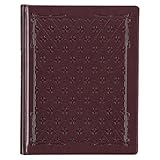


Crossword Puzzle Books in Large Print for Adults
For seniors who prefer active mental engagement over passive reading, large print crossword puzzle books are an ideal combination of cognitive exercise and entertainment. Publishers like Tribune Media Services and Kappa Books produce collections of varying difficulty levels in genuine large print format. Daily crossword puzzles have been linked to improved memory retention and cognitive function in older adults. Look for books that specify the grid size and include an answer key — helpful for those days when a clue just won’t come.
Page Magnifier Sheet for Books and Documents
For seniors who want to read standard-print materials without switching to large print editions, a full-page magnifier sheet is a practical and affordable accessory. These flexible Fresnel lens sheets magnify an entire page at once — unlike handheld magnifiers that cover only a small area — making it easy to read any book, newspaper, or document without rebuying materials in large print. They are lightweight, flexible, and can be stored inside a book. Available in various magnification strengths from 1.5x to 3x.
Key Features to Look for in Large Print Books and Accessories
Large print materials make reading enjoyable again for seniors with declining vision, and a few features set the best options apart. Look for a genuinely large, clear font, often noticeably bigger than standard print, with good spacing between lines so the text is easy to follow. High-contrast black ink on non-glossy, cream or white paper reduces glare and eye strain. For books, a lightweight format or comfortable binding makes longer reading sessions easier on the hands and wrists.
Accessories extend what large print can do. Page magnifier sheets enlarge regular text without buying special editions, and handheld or stand magnifiers help with fine print on labels and documents. A book stand or holder reduces neck strain and frees the hands, and a good reading light improves contrast and clarity. Choosing materials and tools suited to the user’s specific vision needs makes reading more comfortable, and an eye doctor can advise on the level of help required.
Daily Reading Tips for Comfort and Eye Health
Comfortable reading depends on more than the book itself. Set up a well-lit space with a bright, glare-free light positioned to illuminate the page without shining in the eyes, and hold the material at the distance where it looks sharpest. Using a magnifier or large print together with good lighting often makes the biggest difference. Take regular breaks to rest the eyes during long reading sessions, which helps reduce fatigue.
Small adjustments keep reading sustainable. A book stand or holder eases strain on the neck, shoulders, and hands, and keeping reading glasses or magnifiers clean ensures the clearest view. Rotate between reading, puzzles, and other activities to keep the eyes from tiring. Large print and magnifiers are valuable aids, but they do not replace eye care; anyone noticing new or worsening difficulty seeing should schedule an eye exam to check for treatable conditions.
Frequently Asked Questions
How large is the font in large print books?
Large print uses a noticeably bigger font than standard editions, with extra spacing between lines, to make text easier to read for those with declining vision.
Can I make regular books easier to read without buying large print editions?
Yes. Page magnifier sheets, handheld magnifiers, and good lighting can enlarge and clarify standard text, offering flexibility beyond dedicated large print books.
What lighting is best for reading with low vision?
A bright, glare-free light positioned to illuminate the page without shining into the eyes improves contrast and reduces strain. Pair it with large print or a magnifier.
Do book stands help senior readers?
A book stand or holder supports the material at a comfortable angle, easing strain on the neck, shoulders, and hands during longer reading sessions.
Can large print replace seeing an eye doctor?
No. Large print and magnifiers are helpful aids but do not address underlying vision changes. Anyone with new or worsening difficulty seeing should have an eye exam.
Final Thoughts
Large print books and reading accessories are simple but powerful tools for maintaining one of life’s greatest pleasures as vision changes with age. Local public libraries often maintain substantial large print collections available for free borrowing — a great resource to explore before purchasing. For seniors with more significant vision impairment, audiobooks and e-readers with adjustable font sizes are valuable alternatives that can be used alongside or instead of print materials.
Related Reviews & Guides



Quick Picks: Best Adaptive Cutting Boards with Suction…
Best Shoes for Ankle and Arch Support: Stability Picks 2026