Last Updated: September 9, 2026
- Top Start Walking Program Seniors Picks for 2026
- Why Walking Is Such a Good Fit for Older Adults
- Before You Start: Doctor, Shoes and Route
- A Gentle Week-by-Week Starting Plan
- Warm Up, Cool Down and Walk with Good Form
- Safety Habits That Keep You Walking
- Staying Motivated for the Long Haul
- Frequently Asked Questions
- Related Articles
- Related Guides
- Top Pick: Yesoul Treadmill for Seniors with Long Handrails, Emergency Stop Button
- Best Value: The 30-Day Walking Workbook: A Guided Program to Start Walking, Keep Going on Bad Days, and Still Be Walking After Day 30
- Premium Choice: Tai Chi Indoor Walking for Seniors Over 70 (Large Print): A Gentle 30-Day Program with 10-Minute Daily Exercises to Reduce Joint Stiffness, Improve Mobility, and Regain Strength
🛒 Best Price Today on Amazon
Prime members get fast, free shipping on everything above, plus member-only deals. New members get a 30-day free trial — cancel anytime.
Top Start Walking Program Seniors Picks for 2026
Here are our current top start walking program seniors picks, compared on real Amazon owner reviews, price, and features. Live prices update below.
As an Amazon Associate we earn from qualifying purchases at no extra cost to you.






Starting a walking program for seniors is one of the simplest, most reliable ways to improve health later in life — no gym membership, no complicated equipment, no learning curve. Regular walking supports heart health, strengthens the legs and hips that keep you steady, lifts mood, and helps maintain independence. Yet many older adults who want to walk more never get past the first week, usually because they start too fast, too far, or without a plan. This guide lays out a gentle, realistic way to begin: how to prepare, a week-by-week schedule you can actually follow, and the safety habits that keep a good intention from turning into a setback. As with any new exercise, check with your doctor before you begin, especially if you have heart or lung conditions, joint problems, dizziness, or you are recovering from illness or surgery.
Why Walking Is Such a Good Fit for Older Adults
Walking is weight-bearing, which helps maintain bone density; it is rhythmic and low-impact, which is kind to arthritic joints when done in supportive shoes; and it is naturally adjustable — you control the speed, distance, and terrain. Health organizations widely recommend that older adults aim for about 150 minutes of moderate activity per week, and brisk walking is the most accessible way to get there. The benefits compound when walking is combined with other gentle movement: at-home strength training builds the muscles walking relies on, and balance exercises reduce fall risk on uneven ground. Perhaps just as important, a daily walk is a mood and sleep ally — regular walkers often find they fall asleep easier, a welcome side effect for anyone who has read about why seniors struggle to sleep.
Before You Start: Doctor, Shoes and Route
Three pieces of preparation make everything that follows safer and more pleasant. First, the medical green light: a quick conversation with your doctor about your walking plans, current medications, and any symptoms to watch for. Ask specifically whether any of your medications affect balance, hydration, or heart rate during exercise.
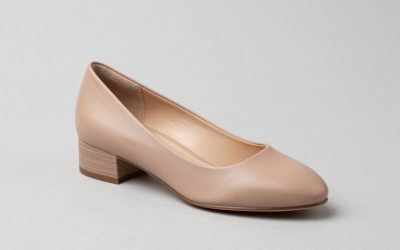
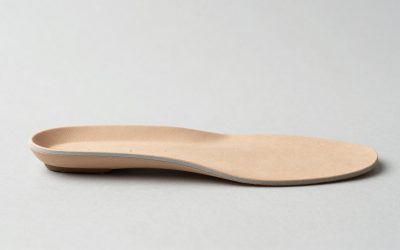
Second, footwear. Worn-out, floppy, or backless shoes sabotage more walking programs than bad weather does. Look for a firm heel counter, good cushioning, a non-slip sole, and a roomy toe box — our guide to the best shoes for seniors covers what to look for in detail. If you normally use a cane, bring it; a correctly fitted cane (see the walking cane complete guide) is a walking partner, not a sign of weakness.
Third, choose two or three go-to routes: flat, well-lit, with even surfaces and places to sit. Quiet neighborhoods, school tracks, and shopping malls (many open early for walkers) all work well. Indoor options matter — heat, ice, and rain should change your venue, not cancel your walk.
A Gentle Week-by-Week Starting Plan
The plan below starts deliberately small. If you are already active, begin where it feels comfortable; if walking to the mailbox currently winds you, stretch each stage to two weeks instead of one. The goal is consistency first, distance later.
| Week | Sessions | Duration | Pace |
|---|---|---|---|
| 1 | 3–4 days | 5–10 minutes | Easy, conversational |
| 2 | 4 days | 10–15 minutes | Easy, conversational |
| 3 | 4–5 days | 15–20 minutes | Mostly easy, brief brisk stretches |
| 4 | 5 days | 20–25 minutes | Comfortable with brisk intervals |
| 5 | 5 days | 25–30 minutes | Brisk where comfortable |
| 6+ | 5 or more days | 30 minutes or more | Brisk; add gentle hills if desired |
A simple intensity check: at a moderate pace you can talk but not sing. If you cannot speak a full sentence, slow down. Splitting walks works too — three ten-minute walks count the same as one thirty-minute walk and can be easier on joints and energy.
Warm Up, Cool Down and Walk with Good Form
Begin each session with three to five minutes of slow walking and a few gentle movements — ankle circles, knee lifts, shoulder rolls. End the same way: slow your pace for the last few minutes, then do a few easy stretches for the calves, hamstrings, and hips while holding a wall or chair for support. Good walking posture follows naturally from a few cues: look ahead rather than down, keep shoulders relaxed and back, let your arms swing, and land heel first with a smooth roll to the toes. Shorter, quicker steps are steadier than long strides. If posture is a struggle, these posture exercises for seniors pair beautifully with a walking habit.
Safety Habits That Keep You Walking
- Hydrate before and after — thirst signals weaken with age, and dehydration sneaks up on seniors, especially in warm weather.
- Carry identification and a phone. A charged phone, or a wearable alert such as a fall detection device, adds real peace of mind for solo walkers.
- Dress for visibility and weather — light or reflective clothing near roads, layers in cold months, a hat and sunscreen in summer.
- Mind the surface. Cracked sidewalks, wet leaves, and gravel deserve full attention; choose smooth routes when possible.
- Know your stop signs. Chest pain or pressure, unusual shortness of breath, dizziness, or sudden joint pain mean stop, rest, and call your doctor before walking again.
Mild muscle soreness for a day or two after increasing your distance is normal; sharp or persistent pain is not. When in doubt, take an extra rest day — the program only works if you stay healthy enough to continue it.
Staying Motivated for the Long Haul
Most walking programs do not fail in week one — they fade in week five. Anchor your walk to an existing habit (after breakfast, after the evening news), track your minutes on a calendar or a simple pedometer, and celebrate streaks rather than speed. A walking partner doubles as both motivation and safety; check whether a local senior center or mall hosts a walking group, which adds the social benefits described in our guide to staying connected and engaged. And vary the menu: on bad-weather weeks, swap in water aerobics or seated chair exercises so the habit of daily movement never breaks, even when the route does.
Frequently Asked Questions
How many steps a day should a senior aim for?
There is no single magic number, and research suggests meaningful benefits for older adults begin well below the famous 10,000 steps. Focus on minutes of intentional walking instead — building toward roughly 30 minutes most days — and let the step count be whatever it is.
Is it better to walk in the morning or evening?
The best time is whichever one you will actually keep. Mornings tend to be cooler and less interrupted; afternoons suit people whose joints are stiff on waking. In hot months, avoid midday heat; in winter, walk during daylight for visibility and warmth.
Can I start a walking program if I use a cane or walker?
Often yes — many people walk regularly and safely with a mobility aid, and the right aid makes walking more secure, not less. Have a physical therapist confirm the device fits properly and suits your gait, start with short flat routes, and progress more gradually.
What if I’m too tired or sore the next day?
Soreness that fades within a day or two is a normal sign of adaptation; deep fatigue or pain that lingers means you progressed too quickly. Drop back to the previous week’s duration for several sessions, add a rest day, and build up again more slowly.
Does walking really help prevent falls?
Walking strengthens the legs and improves endurance, both of which support steadiness — but it works best combined with specific balance and strength work. Pair your walking days with a couple of short balance sessions each week for the most complete fall-prevention routine.
Related Reviews & Guides





Easy High-Protein Meals for Seniors

Quick Picks: Best Foldable Lightweight Reacher Grabber Tools