Last Updated: September 7, 2026
- Top Pick: Nourislif 27'' Dressing Stick, Long Dressing Stick for Elderly, Disabled, Limited Mobility – Daily Living Dressing Aid Stick for Hip Replacement, Back – Dressing Aid for Pants, Shoes, Socks
- Best Value: Wings Pants Dressing Tool for Pants
- Premium Choice: 35.5 Inch Long Handled Shoe Horn, Dressing Stick, Sock Remover Aid Helper – Versatile, Adjustable Dressing Aid for Shoes, Socks, Shirts, Pants – Long Shoe Horn, Shoe Horn Long Handle for Seniors
Dress Independently Every Day With the Right Dressing Aids
Getting dressed can become one of the most frustrating daily challenges for seniors with arthritis, back pain, limited range of motion, or post-surgical restrictions. Bending to put on socks, reaching behind for bra clasps, or pulling on pants can all be painful or impossible without help. Dressing aid tools for elderly users allow independent dressing by extending reach, reducing required flexibility, and minimizing the need to bend or stretch — preserving dignity and reducing caregiver burden.
A basic dressing aid kit typically includes a sock aid, a long-handled shoehorn, a button hook, a zipper pull, and a dressing stick. These tools are inexpensive and make a significant real-world difference for people with limited mobility.
As an Amazon Associate we earn from qualifying purchases at no extra cost to you.




1. Vive Dressing Aid Kit (4-Piece)
The Vive dressing kit includes a sock aid, a 24-inch flexible shoehorn, a button hook/zipper pull combo, and a dressing stick — everything needed for independent dressing. The sock aid has a smooth plastic shell and dual foam handles that make donning socks without bending possible. The button hook has an ergonomic large-grip handle suitable for arthritic hands.
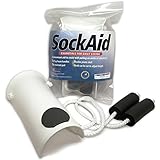
2. Maddak Slip-On Sock Aid
For seniors whose biggest challenge is putting on socks without bending, the Maddak sock aid is a specialized solution. The low-friction shell guides the sock over the foot, and the long cord handles allow the foot to slide in without bending beyond 45 degrees. Works with standard ankle socks, crew socks, and compression stockings with the right technique.
3. Patterson Medical Long Handled Shoe Horn
A long-handled shoehorn is often the single most impactful dressing aid for seniors. The Patterson Medical 24-inch model is sturdy, lightweight, and allows shoes to be put on without bending at all. Made from flexible plastic that guides the heel in smoothly without damaging shoe backs, it works with all shoe types including athletic, leather, and orthotics.
Buying Guide: Key Dressing Aids and What They Do
- Sock aid: Allows donning socks without bending — essential for hip replacement patients and those with severe back pain.
- Long-handled shoehorn: 18–24 inches eliminates bending to put on shoes.
- Button hook: Aids fastening small buttons with limited finger dexterity due to arthritis.
- Zipper pull: An extension loop or hook that allows pulling zippers without fine motor control.
- Dressing stick: A hooked stick for pushing clothing off shoulders, pulling straps, and other dressing tasks.
- Elastic shoelaces: Convert tie shoes to slip-ons — no lacing required.
- Bra extender and front-close bras: Reduce the reaching and twisting required for back-clasp bras.
Features That Matter in Dressing Aids
Dressing aids cover a range of tools that each solve a specific challenge, so choosing well means matching the tool to the task. A dressing stick with a hook and button-hook helps pull up clothing and fasten buttons; a sock aid lets the user slide socks on without bending to the feet; and a long-handled shoehorn makes putting on shoes easier while seated. For each, comfortable, non-slip grips and lightweight, rigid construction make the tool easier to control, especially for hands affected by arthritis or limited strength.
Build quality and design details matter. Smooth hooks that do not snag fabric, a sock aid with a flexible yet supportive frame, and handles long enough to reach the feet without bending all contribute to a frustration-free experience. Many people find a complete dressing kit, which bundles several aids together, offers the best value and ensures the right tool is always on hand. Thinking about which specific tasks cause the most difficulty helps focus the choice on the aids that will genuinely make daily dressing easier.
Tips for Daily Use
A comfortable routine helps dressing aids work their best. Occupational therapists often recommend dressing while seated in a stable chair, which frees both hands and reduces the risk of losing balance. Laying out clothing in the order it will be put on, and dressing the weaker or stiffer side first, makes the process smoother. Practicing each motion slowly at first builds confidence and coordination with the tools.
Clothing choices can make the tools even more effective. Looser garments, larger buttons, elastic waistbands, and slip-on shoes reduce the effort required and let the aids do more of the work. Keeping a dressing kit in a consistent, easy-to-reach spot means the tools are always ready when needed. If certain tasks remain painful or impossible despite the right aids, an occupational therapist can suggest tailored techniques and additional tools suited to the person’s specific abilities and any post-surgery precautions.
Related Guides
- Best Raised Toilet Seats: Top Picks Reviewed and Compared (2026)
- Balance Exercises for Seniors: Simple Moves to Prevent Falls
- Senior Foot Care Cream Cracked Heel Review
- Large Button Phone for Elderly
Frequently Asked Questions
What tools are included in a dressing aid kit?
Kits commonly include a dressing stick, sock aid, long-handled shoehorn, and sometimes a button hook or elastic shoelaces. Together they address the most common dressing challenges from socks to buttons.
How does a sock aid work?
A sock aid holds the sock open on a flexible frame; the user slides their foot in and pulls cords to draw the sock up, avoiding the need to bend to the feet. It is especially helpful after hip surgery.
Are dressing aids good for arthritis?
Yes. Tools with cushioned, non-slip grips and button hooks reduce the fine pinching and bending that can be painful for arthritic hands, making dressing more comfortable and independent.
Can dressing aids help after surgery?
Many people use dressing aids to avoid bending past safe limits after hip or knee procedures. Follow the precautions your surgeon or therapist gives, and ask them to confirm the right technique.
What clothing works best with dressing aids?
Looser garments, larger buttons, elastic waistbands, and slip-on shoes are easiest to manage and let the tools do more of the work, reducing strain during dressing.
Final Thoughts
Dressing aid tools for elderly individuals are among the most occupational-therapist-recommended products for maintaining independence in daily activities. A basic kit covering sock aid, shoehorn, and button hook covers the majority of daily dressing challenges. The Vive 4-piece kit is the most comprehensive starting point, while the Maddak sock aid and Patterson shoehorn excel as standalone specialized tools for their respective tasks.
Related Reviews & Guides





Assisted Living vs Nursing Home: Cost, Care and How to Choose
8 Best Adjustable Overbed Tables for Seniors: Eating, Reading, and More