Last Updated: October 9, 2026
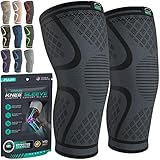
- Top Pick: Modvel Compression Knee Brace for Women & Men – 2 Pack Knee Brace for Women Running Knee Pain, Knee Support Compression Sleeve, Workout Sports Knee Braces for Meniscus Tear ACL & Arthritis Pain Relief
- Best Value: NEENCA Professional Knee Brace, Hinged Knee Support for Women & Men Relief
- Premium Choice: Modvel Compression Knee Brace for Women & Men – 2 Pack Knee Brace for Women Running Knee Pain, Knee Support Compression Sleeve, Workout Sports Knee Braces for Meniscus Tear ACL & Arthritis Pain Relief
Introduction
Knee pain is one of the most common complaints among seniors, whether from osteoarthritis, past injuries, or general age-related joint degeneration. A quality knee brace can provide stability, reduce pain, and improve mobility by offloading pressure from the affected joint. Choosing the right type of brace for the specific condition makes a significant difference — here's what to know before buying.
Key Features to Look For
- Type of Support: Sleeve braces provide mild compression and warmth for mild arthritis; hinged braces add structural support for instability; unloader braces shift weight away from the damaged compartment in osteoarthritis.
- Ease of Application: Seniors with limited dexterity or back pain may struggle with wraparound braces; pull-on sleeve styles are much easier to don and doff independently.
- Fit and Sizing: A properly sized brace based on knee circumference is critical — too loose provides no support; too tight can impair circulation or cause discomfort.
- Breathability: Moisture-wicking, breathable fabrics prevent skin irritation and discomfort during extended wear, which is especially important for seniors with sensitive skin.
- Non-Slip Design: Silicone grippers or anti-slip bands on the top and bottom of the brace prevent it from sliding down during activity.
Top Picks for Seniors
DonJoy Advantage Deluxe Elastic Knee Sleeve
DonJoy is a trusted name in orthopedic bracing used by athletes and seniors alike. Their elastic knee sleeve provides mild to moderate compression, patellar support through a horseshoe-shaped buttress, and a breathable knit design. The pull-on style is easy for seniors to apply independently, and the non-slip top edge keeps it in place during walking. Available in multiple sizes with a fitting guide.
As an Amazon Associate we earn from qualifying purchases at no extra cost to you.


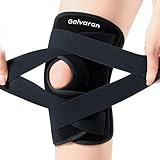

Vive Hinged Knee Brace
For seniors needing more structural support, Vive's hinged knee brace offers dual metal hinges that prevent lateral and medial movement while allowing natural flexion and extension. It features a wraparound design with adjustable straps, breathable neoprene padding, and an open-knee design to reduce heat buildup. Suitable for moderate instability, mild meniscus issues, and post-operative support.
Breg Lateral J Patella Knee Brace
For seniors with patellar tracking issues or patellofemoral pain, the Breg Lateral J brace provides targeted stabilization of the kneecap. It features a lightweight, breathable design, a lateral J buttress to guide proper patella alignment, and adjustable strapping. This style is particularly effective for seniors who experience knee pain when walking up or down stairs.
Choosing the Right Knee Brace for Arthritic Knees
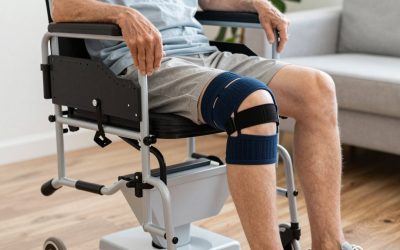
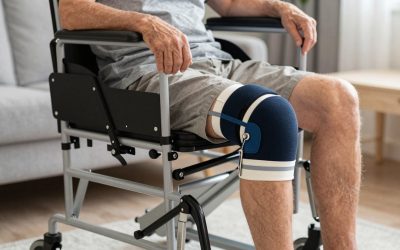
Knee braces come in several styles, and the right one depends on the kind of support needed. A simple compression sleeve provides gentle warmth and mild support that many people find soothing for everyday stiffness and minor aches. A wrap-around or adjustable brace with side stabilizers offers firmer support and is easier to put on for those with limited hand strength, since it fastens with straps rather than pulling over the foot. For knees that feel unstable, hinged braces add lateral support. Getting the fit right is essential: measure the knee as the manufacturer directs, and choose a brace that feels snug and supportive without pinching, sliding down, or restricting circulation. Breathable, moisture-wicking material adds comfort for all-day wear.
Using a Knee Brace Comfortably and Knowing Its Limits
A knee brace works best as one part of managing knee discomfort, alongside gentle movement and any plan recommended by a professional. Put the brace on over a thin layer or directly on clean, dry skin, center it over the kneecap, and check that it stays in place when walking. Wear it during the activities that tend to aggravate the knee, and take it off periodically to let the skin breathe and to check for redness or irritation. Keep it clean by hand-washing and air-drying to preserve the elastic. Importantly, a brace supports the joint but does not treat the underlying arthritis; if knee pain is severe, worsening, or limits daily life, a doctor or physical therapist can recommend the right brace and a broader plan for relief.
Pairing a Knee Brace With Gentle Joint Care
A knee brace gives the most benefit when it is part of a broader approach to caring for an arthritic knee rather than the only step taken. Gentle, regular movement helps keep the joint mobile and the surrounding muscles strong, which in turn supports the knee; a physical therapist can suggest low-impact exercises suited to the individual. Managing weight, using warmth or cold as advised, and pacing demanding activities all work alongside a brace to ease discomfort. Wear the brace during the tasks that tend to aggravate the knee, such as walking longer distances or climbing stairs, and give the joint a rest when possible. Pay attention to how the knee responds; relying on a brace to push through sharp or worsening pain can mask a problem that needs attention. When pain limits daily life, a doctor can help build a complete plan for relief.
Frequently Asked Questions
What type of knee brace is best for arthritis?
It depends on the support needed. A compression sleeve offers gentle warmth and mild support for everyday stiffness, an adjustable wrap-around brace gives firmer support and is easier to put on, and hinged braces help unstable knees.
How should a knee brace fit?
It should feel snug and supportive without pinching, sliding down, or restricting circulation. Measure the knee as the manufacturer directs and center the brace over the kneecap.
Can I wear a knee brace all day?
Many people wear one during activities that aggravate the knee, but it helps to take it off periodically to let the skin breathe and to check for redness or irritation.
How do I clean a knee brace?
Hand-wash it and air dry to preserve the elastic. Avoid high heat, which can break down the supportive material over time.
Will a knee brace fix my arthritis?
No. A brace supports the joint but does not treat the underlying arthritis. If knee pain is severe, worsening, or limits daily life, a doctor or physical therapist can recommend a brace and a broader plan.
Final Thoughts
The right knee brace can offer meaningful pain relief and improved confidence during walking and daily activities for elderly adults with knee problems. However, braces are most effective when combined with a physical therapy program and weight management strategies. Always consult an orthopedic specialist or physical therapist before selecting a brace type to ensure it matches the underlying condition.
Related Reviews & Guides

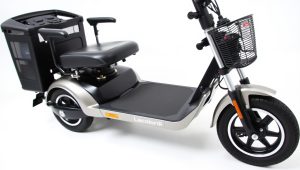
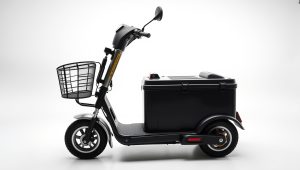

Knee Scooter Rolling for Injury Recovery

Walker Accessories Tray and Basket Guide