Last Updated: October 9, 2026
- Top Pick: Foldable Mobility Scooters for Seniors, FSA&HSA Eligible,330LBS Capacity, Red Powered Electric Mobility Scooters, 4 Wheel Lightweight Mobility Scooters for Adults, Folding Travel Motorized Scooter
- Best Value: Lightweight Mobility Scooter for Adult & Seniors Cruise & Airline Approved
- Premium Choice: Hoverfly 4-Wheel Mobility Scooter for Seniors/Adult, NFC Keyless Start Navy
Introduction
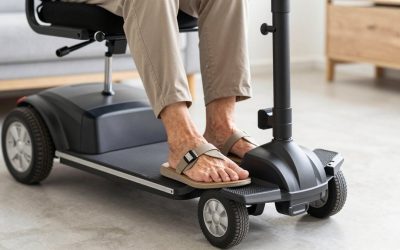
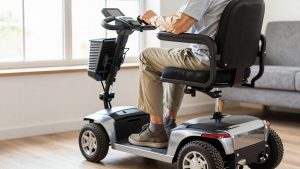
Mobility scooters are an excellent solution for seniors who can walk short distances but need assistance covering longer stretches — whether in a grocery store, park, or airport. They are easier to get on and off than power wheelchairs and typically offer a more comfortable upright riding position. Here's what to look for and the best models available.
Key Features to Look For
- Weight Capacity: Standard models support up to 300 lbs, while heavy-duty scooters accommodate 400 to 500 lbs. Match this to the user's body weight with some margin to spare.
- Battery Range: For daily errands, aim for at least 10 miles of range per charge; heavy users should look for 15+ miles.
- Disassembly: Travel scooters break down into 3 to 5 lightweight pieces for car transport — ideal if the senior goes out frequently.
- Wheel Configuration: 3-wheel scooters are more maneuverable indoors; 4-wheel models offer better outdoor stability.
- Tiller Controls: Easy-to-reach speed controls and a delta tiller (handlebar loop) are more comfortable for seniors with arthritis.
Top Picks for Seniors
Pride Mobility Go-Go Sport 3-Wheel Scooter
Pride Mobility's Go-Go Sport is a compact, featherweight travel scooter that disassembles into 4 pieces, with the heaviest piece weighing under 27 lbs. It reaches speeds of up to 4 mph, offers a 9.5-mile range, and supports up to 300 lbs. The flat-free rear tires and LED headlight make it suitable for both indoor shopping and outdoor paths.
As an Amazon Associate we earn from qualifying purchases at no extra cost to you.


Drive Medical Scout Compact Travel Power Scooter
Drive Medical's Scout is a budget-friendly scooter that doesn't skimp on quality. It offers front and rear lights, a padded swivel seat for easy entry and exit, and a 300-lb weight capacity. The 4-wheel version offers extra stability on outdoor surfaces, and the scooter disassembles quickly into manageable sections.
Enhance Mobility Solax Mobie Plus Folding Scooter
For seniors who travel frequently, the Mobie Plus folds automatically with a single button press. It weighs just 44 lbs, fits in most car trunks, and supports up to 275 lbs. The lithium battery is airline-approved, making it one of the few scooters truly suitable for air travel. It reaches 4 mph and travels up to 13 miles per charge.
Choosing a Mobility Scooter for Indoor and Outdoor Use
The right mobility scooter depends largely on where it will be used. Compact three-wheel scooters offer a tight turning radius that is ideal for navigating hallways, doorways, and stores, making them well suited to indoor and light outdoor use. Four-wheel models trade some maneuverability for added stability and are better for uneven sidewalks, ramps, and longer outdoor trips. Consider the seat comfort, the weight capacity, and the ground clearance, as well as whether the scooter disassembles or folds for transport in a car trunk. Battery range is another key factor: think realistically about the distances the user travels in a day and choose a range that comfortably covers them with margin to spare, since terrain and inclines reduce real-world range.
Using a Mobility Scooter Safely
Safe operation starts with getting comfortable in a clear, open space before venturing into traffic or crowded areas. Encourage new users to practice steering, braking, and turning at low speed until the controls feel natural. Keep the battery charged according to the manufacturer’s guidance, and check the tires and brakes regularly. When outdoors, stick to sidewalks and crossings where possible, go slowly on slopes and uneven ground, and use lights or reflective markers for visibility in low light. Indoors, watch for thresholds, rugs, and tight corners. For users with significant strength, vision, or cognitive changes, a doctor or occupational therapist can help determine whether a scooter is appropriate and which features best support safe, independent use.
Comfort, Storage, and Everyday Practicality
Day-to-day comfort and convenience matter as much as the technical specifications when choosing a scooter. A well-padded, adjustable seat with armrests makes longer outings far more pleasant, and a backrest that suits the user’s posture reduces fatigue. Think about where the scooter will live between uses: it needs a charging spot near an outlet and enough clearance to be parked without blocking walkways. For those who travel by car, a model that folds or breaks down into manageable pieces, with the heaviest piece light enough to lift, expands where the scooter can go. Practical extras like a basket for shopping, lights for visibility, and easy-to-reach controls add real value. Trying a scooter in person when possible, or arranging a demonstration, helps confirm that the seat, controls, and size genuinely fit the user and their home before committing to a particular model.
Related Guides
- Easy Grip Cane Handle Cushion
- Cane Tip Replacement Rubber Quad
- Quick Picks: Best Lightweight Folding Rollator Walkers
- Best Canes for Elderly: Lightweight, Sturdy & Adjustable
Frequently Asked Questions
What is the difference between three-wheel and four-wheel scooters?
Three-wheel scooters have a tight turning radius that suits indoor use and tight spaces, while four-wheel models trade some maneuverability for added stability on uneven sidewalks, ramps, and longer outdoor trips.
How far can a mobility scooter travel on a charge?
Battery range varies by model, and real-world range is reduced by hills and rough terrain. Think about the distances the user travels in a day and choose a range that covers them with margin to spare.
Can a mobility scooter be transported in a car?
Many models fold or disassemble for transport in a car trunk. Check the weight and size of the heaviest piece to be sure it can be lifted and stored comfortably.
How do I use a mobility scooter safely?
Practice steering and braking in an open space first, keep the battery charged, check the tires and brakes, stick to sidewalks and crossings outdoors, and go slowly on slopes and uneven ground.
Is a scooter right for everyone?
Not always. For users with significant strength, vision, or cognitive changes, a doctor or occupational therapist can help decide whether a scooter is appropriate and which features support safe use.
Final Thoughts
A mobility scooter gives seniors a safe, energy-efficient way to maintain their independence without overexerting themselves. Matching the scooter's range and weight capacity to real-world usage patterns will ensure satisfaction long-term. Discuss the purchase with your loved one's physician to confirm it aligns with their mobility assessment and physical condition.
Related Reviews & Guides



10 Best Threshold Ramps for Doorways, Walkers and Wheelchairs

Quick Picks: Best Knee Braces for Seniors with Arthritis