Last Updated: October 4, 2026
Introduction
A knee scooter — also called a knee walker — is a practical alternative to crutches for seniors recovering from foot, ankle, or lower-leg injuries or surgeries. Unlike crutches, they don't put strain on the shoulders, wrists, or armpits, making them far more comfortable for extended recovery periods. Here's how to choose the right model and the top picks available today.
Key Features to Look For
- Knee Pad Comfort: A thick, memory foam knee pad prevents pressure sores and fatigue during prolonged use — especially important for seniors with sensitive skin.
- Steering: Responsive, easy-to-steer handlebars allow smooth cornering; some models offer a tighter turning radius for indoor use.
- Brakes: Hand brakes that are easy to squeeze with arthritic or weaker hands are a must for senior users.
- Wheel Size: Larger wheels (8 to 10 inches) handle outdoor surfaces like pavement and grass better than small wheels.
- Weight Capacity: Most knee scooters support 250 to 350 lbs; verify before purchasing to ensure safe use.
Top Picks for Seniors
Drive Medical Knee Walker DV8 Aluminum
Drive Medical's DV8 is a highly rated knee scooter featuring an oversized, adjustable memory foam knee pad for superior comfort. It includes hand brakes, a wire basket for carrying small items, and 7.5-inch wheels that handle a variety of surfaces. The handlebars and knee pad height are both adjustable to accommodate different body sizes. Weight capacity is 300 lbs.
As an Amazon Associate we earn from qualifying purchases at no extra cost to you.


KneeRover Steerable Knee Cycle
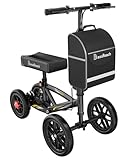
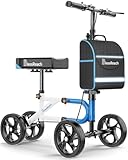
KneeRover is a specialist brand dedicated to knee walkers, and their Steerable Knee Cycle is one of the most popular options on the market. It features a 12-inch turning radius for indoor maneuverability, extra-large wheels, and a cushioned knee pad. The dual-cable hand brakes are easy to operate, and the included cargo bag adds everyday convenience.
Medline Knee Scooter with Basket
Medline's knee scooter offers a straightforward, reliable design at an accessible price point. It features an adjustable padded knee rest, easy-grip hand brakes, and a front storage basket. The folding design allows it to be stored in a small space when not in use, and assembly requires minimal tools. Maximum weight capacity is 300 lbs.
How to Choose a Knee Scooter for a Senior
A knee scooter supports the body’s weight on a padded platform while keeping weight off an injured foot, ankle, or lower leg, which many people find far less tiring than crutches. Choosing one starts with fit and adjustability. The knee pad should adjust to a height that keeps the hips level and the resting leg comfortable, and the handlebars should adjust so the user stands upright rather than hunched. A scooter rated for the user’s weight, with a comfortable, well-cushioned knee platform, makes longer use easier on the joints. Confirming with a doctor or physical therapist that a knee scooter suits the person’s recovery and balance is an important first step.
Wheels, steering, and portability shape how usable the scooter is. Larger pneumatic tires roll more smoothly over thresholds, pavement, and small bumps, while smaller hard wheels are lighter and fine for flat indoor floors. Steerable models turn more easily and are a real help in homes with narrow hallways and tight corners. Reliable hand brakes that lock are essential for safe stops and for getting on and off. A folding frame stores and transports more easily. Matching the scooter’s tires, steering, and weight to where it will mostly be used, and to the user’s strength, leads to a safer, more comfortable recovery.
Using a Knee Scooter Safely
Safe knee scooter use begins with correct setup and a stable start. Adjust the knee pad and handlebars before the first use so the posture is upright and the resting leg is supported without strain, and have a therapist check the fit if possible. Always lock the brakes before getting on or off, then place the injured leg gently on the pad and push off with the good leg, keeping movements smooth and unhurried. Looking ahead rather than down helps maintain balance, and the hands should stay ready on the brakes.
Knee scooters are made for flat, firm surfaces and are not safe on stairs, so plan routes that avoid steps and use ramps or an alternative on different levels. Take extra care on slopes, wet floors, thresholds, and uneven ground, slowing down and braking early. Before each use, check that the tires are sound, the brakes work, and all adjustments are locked. Keep walkways clear and well lit. Because recovery needs differ from person to person, a physical therapist can confirm that a knee scooter is appropriate, fine-tune the fit, and teach safe technique, which lowers the risk of falls during recovery.
Related Guides
- Best Folding Canes With Seat for Seniors: Rest Anywhere
- Best Wheelchair for Elderly: Safe, Comfortable & Easy to Use
- Quick Picks: Best Lightweight Folding Rollator Walkers
- Best Anti-Tip Walkers for Elderly Safety & Mobility
Frequently Asked Questions
Is a knee scooter easier to use than crutches?
Many people find it less tiring because it supports body weight and frees the hands, easing strain on the underarms and shoulders. Crutches may still be better on stairs or in very tight spaces. Your care team can advise which suits you.
Can I use a knee scooter on stairs?
No. Knee scooters are designed for flat, firm surfaces and are not safe on stairs. Plan routes that avoid steps, and use ramps or an alternative aid when changing levels.
How do I set up a knee scooter correctly?
Adjust the knee pad so the hips stay level and the resting leg is comfortable, and set the handlebars for an upright posture. Follow the model’s guide or ask a physical therapist to confirm the fit before use.
Are larger tires better on a knee scooter?
Larger pneumatic tires roll more smoothly over thresholds, pavement, and small bumps, which helps outdoors. Smaller hard wheels are lighter and fine for flat indoor floors. Choose based on where it will mostly be used.
Final Thoughts
A knee scooter can make a significant difference in the comfort and safety of a senior's recovery from a lower-limb injury or surgery. The right model should provide stability, easy braking, and a comfortable knee pad suited to extended daily use. Always confirm with an orthopedic surgeon or physical therapist that a knee scooter is appropriate given the specific injury or procedure involved.
Related Reviews & Guides


10 Best Power Lift Recliners for Elderly: Comfort & Independence

How to Choose Rechargeable Hearing Aids: What Actually Matters