Last Updated: October 9, 2026
- Top Pick: VOCIC AY05 Electric Patient Lift for Home
- Best Value: VOCIC Sit to Stand Lift, Patient Lift Chair Transport Unit with Wheels
- Premium Choice: RESTISLAND Electric Patient Lift, Sit to Stand Lift for Elderly, Lift Sling with Head Support, Medical Transfer Lift, for Home and Hospital Use Seniors Easy-Assembly, Emergency Stop, 500lb Capacity
Introduction
A Hoyer patient lift is a mechanical device that helps caregivers safely transfer seniors who have limited or no ability to bear weight on their own. By using a supportive sling and a hydraulic or electric lift mechanism, these devices dramatically reduce the risk of back injury for caregivers and prevent falls during transfers from bed to wheelchair, toilet, or chair. Investing in the right patient lift is essential for households providing full-time care.
Key Features to Look For
- Safety: Look for a unit with a weight capacity that exceeds the patient's weight by at least 50 lbs. Anti-tip legs, smooth-rolling casters with directional locks, and an emergency lowering feature are critical safety elements.
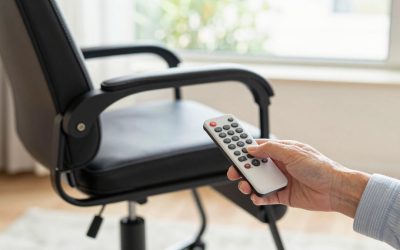
- Ease of Use: Electric models with a hand-control pendant are easier to operate than manual hydraulic pumps, especially for solo caregivers. A wide base that can spread to fit under standard hospital and home beds adds versatility.
- Comfort: A well-fitted sling made from breathable mesh or padded fabric prevents pressure points. U-slings support the head and back, while toileting slings allow hygiene care without full sling removal.
Top Picks for Seniors
Invacare Reliant 450 Electric Patient Lift
The Invacare Reliant 450 is a top-rated electric Hoyer lift with a 450-lb weight capacity and a battery-powered hand control that makes solo transfers manageable. Its wide spreader bar adjusts to accommodate various sling sizes, and the six-point cradle spreader bar provides even weight distribution. The power-adjustable base legs open and close to fit around furniture, improving maneuverability in tight spaces.
As an Amazon Associate we earn from qualifying purchases at no extra cost to you.


Drive Medical Hydraulic Patient Lift
The Drive Medical hydraulic patient lift is a reliable and affordable manual option supporting up to 400 lbs. The pump-action hydraulic handle requires one hand to operate, and the wide base legs expand to clear standard wheelchair footrests. It includes a hammertone steel frame for durability and comes with a four-point cradle and U-style sling. The compact design stores easily when not in use.
Joerns Hoyer Advance Mobile Hydraulic Patient Lift
The Joerns Hoyer Advance is a professional-grade hydraulic lift widely used in home care and clinical settings. It supports up to 400 lbs and features the brand's signature Hoyer engineering for smooth, stable lifts. The six-button hand pendant on upgraded models offers powered extension and retraction of the base legs, reducing caregiver effort. It is compatible with a full range of Hoyer slings for versatile patient positioning.
Choosing the Right Patient Lift for Home Care
A patient lift allows a caregiver to move a person who cannot stand or transfer on their own, protecting both the senior and the caregiver from injury during transfers between a bed, chair, and wheelchair. Manual hydraulic lifts are operated by pumping a handle and are generally more affordable, while electric and battery-powered lifts raise and lower at the push of a button, which is easier on the caregiver and smoother for the person being lifted. Important considerations include the lift’s weight capacity, the width of its base and whether the legs adjust to fit around chairs and furniture, and how well it maneuvers in the home’s available space. Compatibility with the right sling is essential, since the sling must suit the user’s size and the type of transfer.
Using a Patient Lift Safely
Safe lifting depends on proper technique and the correct equipment, so caregivers should be trained before relying on a lift. Always confirm the sling is the right type and size, inspect it for fraying or damage before each use, and make sure it is positioned and attached securely at every connection point. Lock the wheels when required, keep the load low and centered while moving, and move slowly and smoothly to avoid swinging. Whenever possible, two people should assist with more complex transfers. Because a poorly fitted sling or an incorrect lift can be dangerous, it is strongly recommended to involve an occupational or physical therapist, who can assess the user’s needs, recommend the right lift and sling, and demonstrate safe transfer technique in the home.
Preparing the Home and the Caregiver
Successful, safe transfers depend as much on preparation as on the equipment itself. Before the first lift, clear a path between the bed and the chair so the lift can roll freely without snagging on rugs, cords, or furniture, and make sure the floor surface lets the wheels move and lock reliably. The caregiver should learn and practice the steps with guidance until each part, positioning the sling, attaching it, raising, moving, and lowering, feels familiar and unhurried. Communicating with the person being lifted at each stage keeps them calm and cooperative, which makes the transfer smoother and safer. Keep the sling and lift in good condition, inspecting them regularly and addressing any wear promptly. Because every home and user is different, having an occupational or physical therapist assess the setup and demonstrate technique in the actual space is the surest way to make transfers safe for everyone involved.
Frequently Asked Questions
What is the difference between manual and electric patient lifts?
Manual hydraulic lifts are operated by pumping a handle and are generally more affordable, while electric, battery-powered lifts raise and lower at the push of a button, which is easier on the caregiver and smoother for the person being lifted.
How do I choose the right sling?
The sling must suit the user’s size and the type of transfer, and it must be compatible with the lift. Inspect it for fraying or damage before each use and attach it securely at every connection point.
Is one caregiver enough to use a lift?
For many transfers a single trained caregiver can manage, but more complex transfers are safer with two people. Caregivers should be trained before relying on a lift.
How do I use a patient lift safely?
Confirm the sling is the right type and size, lock the wheels when required, keep the load low and centered, and move slowly and smoothly to avoid swinging the person.
Should a professional help set it up?
Yes. An occupational or physical therapist can assess the user’s needs, recommend the right lift and sling, and demonstrate safe transfer technique in the home.
Final Thoughts
A patient lift is one of the most important investments a caregiver household can make for both patient safety and caregiver health. Always have a trained professional demonstrate proper sling fitting and transfer techniques before using the lift independently. Consult your physician or physical therapist to determine the appropriate sling style and lift capacity for your loved one's specific needs.
Related Reviews & Guides


Best Lift Chair for Disabled Adults in 2026: Safe and Supportive Picks

Bed Assist Rail Handle Senior Review