Last Updated: September 4, 2026
Choosing a heavy-duty mobility scooter is a major decision that directly impacts daily independence, comfort, and safety. Unlike standard models built primarily for indoor maneuverability or occasional trips, heavy-duty scooters are engineered to support higher weight capacities, rugged outdoor environments, and extended daily use. Navigating the myriad of options available in 2026 can feel overwhelming, especially when manufacturers throw around technical jargon like torque, amp-hours, and suspension ratings.
To make a confident investment, you need to look past flashy marketing and focus on the specifications that genuinely dictate real-world performance. Whether you are upgrading from a smaller travel model or purchasing your very first robust ride, understanding how different components interact will save you from costly mistakes and ensure your scooter meets your exact lifestyle needs for years to come.
As an Amazon Associate we earn from qualifying purchases at no extra cost to you.
Understanding Weight Capacity and Safety Margins
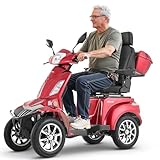
The primary defining feature of any heavy-duty mobility scooter is its weight capacity, which typically ranges from 300 pounds to over 500 pounds. When evaluating this spec, a common mistake is matching your exact body weight to the absolute maximum limit specified by the manufacturer. Operating a scooter near its maximum threshold puts continuous strain on the motor, drains the battery faster, and reduces overall performance on inclines. It is always best to choose a model where your weight sits comfortably at least 25 to 50 pounds below the maximum rated capacity.
Beyond body weight, consider what else you might carry. Cargo baskets, oxygen tanks, groceries, and heavy winter coats all add to the overall load. Keeping a healthy safety margin ensures smoother acceleration, better braking response, and a longer lifespan for the drivetrain components.
Motor Power and Incline Ratings
Heavy-duty scooters require significantly more power than standard travel models to move larger frames across varied terrain. Look for scooters equipped with robust 4-pole motors rather than standard 2-pole motors, as they deliver superior torque and smoother low-speed handling. Continuous wattage ratings and peak horsepower figures will give you a clear indication of how well the machine handles hills.
If your neighborhood features steep driveways, ramps, or rolling hills, pay close attention to the manufacturer’s maximum incline rating. A quality heavy-duty scooter should comfortably scale inclines between 6 and 12 degrees without stalling or losing momentum. A powerful motor combined with an electromagnetic braking system ensures you can ascend and descend slopes securely without rolling backward.
Battery Range and Terrain Compatibility
Battery capacity dictates how far you can travel on a single charge, usually measured in amp-hours. Heavy-duty scooters generally use larger, deep-cycle batteries—often two 12V batteries paired together—to provide the necessary juice. Real-world range depends heavily on user weight, terrain type, and driving style. If you plan on taking long daily excursions, look for models offering an extended driving range per charge.
Terrain compatibility goes hand-in-hand with battery performance. Heavy-duty scooters usually feature larger pneumatic or foam-filled tires—often 10 inches or greater in diameter—along with high ground clearance. This combination prevents the undercarriage from scraping on rough pavement, cracks, or gravel paths, delivering a stable and smooth ride even when navigating imperfect outdoor infrastructure.
Seating Comfort and Ergonomic Adjustments
Because heavy-duty scooters are built for extended use, ergonomic seating is non-negotiable. Look for high-back captain’s seats that offer deep cushioning, lumbar support, and breathable upholstery. A seat that is too narrow or lacks proper padding will cause fatigue and discomfort during longer outings.
Furthermore, check for adjustable features such as width-adjustable armrests, a sliding seat mechanism to change legroom, and an adjustable tiller angle. Being able to fine-tune your driving posture prevents strain on your shoulders, back, and knees, making it much easier to enjoy hours of continuous outdoor exploration or running errands around town.
Common Mistakes to Avoid When Buying
One of the most frequent mistakes buyers make is ignoring transport logistics. Heavy-duty scooters are large, heavy machines that typically weigh hundreds of pounds fully assembled. They do not fold up easily to fit in the trunk of a standard sedan. Before purchasing, verify whether you have a vehicle equipped with a heavy-duty exterior hitch lift or if you have a van or large SUV with a loading ramp.
Another pitfall is underestimating the turning radius. Because these scooters feature a longer wheelbase and wider stance for stability, they require more space to turn around. If you plan on occasionally using the scooter indoors or navigating tight retail aisles, measure your home doorways and hallway widths before committing to an oversized chassis.
When to Spend More on Premium Features
Entry-level heavy-duty models cover the basics reliably, but premium pricing tiers often unlock features that significantly enhance your day-to-day experience. Investing in a full-suspension system featuring front and rear shock absorbers transforms a bumpy sidewalk ride into a glide, drastically reducing joint pain and spinal impact.
Other luxury upgrades worth considering include advanced LED lighting packages for safe night driving, digital dashboards that display precise battery percentage and speed, and robust weather-resistant canopies. If you rely on your scooter as your primary mode of outdoor transport, paying extra for these refinements is well worth the investment.
Related Guides
When shopping for mobility equipment, it is always wise to compare various models and categories to find your ideal match. For a curated selection of top-tier models, take a look at our Best Heavy Duty Mobility Scooters in 2026: Compared and Ranked guide. If you also need something lighter for travel, our Best Portable Mobility Scooters in 2026: Compared and Ranked breaks down airline-friendly options. For unpaved trails and rugged paths, read through the Best All Terrain Mobility Scooters in 2026: Compared and Ranked overview to see how specialized outdoor builds compare.
FAQ
How do I know if I need a heavy-duty scooter instead of a standard model?
You should consider a heavy-duty model if your weight exceeds standard thresholds, or if you regularly travel across rough outdoor terrain, gravel, and steep inclines. Standard scooters lack the motor power, chassis strength, and tire size required for demanding outdoor conditions.
Can heavy-duty mobility scooters be transported in a normal car?
Generally, no. Heavy-duty scooters are too heavy and bulky for standard car trunks and usually require a dedicated vehicle lift mounted to a truck, van, or SUV, or a specialized trailer.
How often should I replace the batteries on a heavy-duty scooter?
With proper maintenance and regular charging habits, the heavy-duty batteries on these scooters typically last between eighteen and thirty-six months. Storing the scooter in extreme temperatures and allowing the batteries to drain completely will shorten their lifespan.
Are heavy-duty mobility scooters safe to drive in the rain?
While most models feature water-resistant electrical components to handle light drizzle or damp pavement, heavy-duty scooters should never be driven through deep puddles, heavy downpours, or flooded areas. Excess moisture can damage the motor, wiring harness, and battery terminals.
Related Reviews & Guides


Walker Glides Tennis Balls
6 Best Batteries For A Mobility Scooter 2026