Last Updated: October 4, 2026
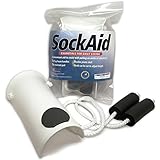
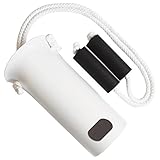
- Top Pick: RMS Deluxe Sock Aid – Socks Helper with Foam Handles for Regular Socks
- Best Value: RMS Sock Aid Kit for Men and Women with Limited Mobility
- Premium Choice: Nourislif 27'' Dressing Stick, Long Dressing Stick for Elderly, Disabled, Limited Mobility – Daily Living Dressing Aid Stick for Hip Replacement, Back – Dressing Aid for Pants, Shoes, Socks
Putting on socks can turn a simple bedroom or bathroom routine into a daily obstacle when bending, reaching, or balancing is difficult. A sock aid helps by holding the sock open while you guide your foot forward, reducing the need to reach your toes. For some people, that can make getting dressed more comfortable after surgery; for others, it can provide a useful measure of independence.
The best sock aid for limited mobility depends on more than price. Handle length, grip style, sock compatibility, and the amount of hand strength needed all matter. We compared eight practical dressing aids, including traditional sock sliders, foam-handled designs, and one multipurpose dressing stick. These are our top choices for 2026, organized by the situations in which each product makes the most sense.
As an Amazon Associate we earn from qualifying purchases at no extra cost to you.




Quick Picks
| Product | Best for | Price |
|---|---|---|
| RMS Deluxe Sock Aid | Best overall for regular socks | under $10 |
| RMS Sock Aid Kit | A broader dressing-aid kit | under $20 |
| Nourislif 27" Dressing Stick | Reaching clothing, shoes, and socks | under $10 |
| KEKOY Sock Aid | People who want a no-bending design | under $10 |
| Vive Sock Aid | Easy on-and-off stocking assistance | under $20 |
| Rehabilitation Advantage Deluxe Sock Aid | A low-cost foam-handle option | under $10 |
| DMI Sock Aid & Shoe Horn | A two-in-one dressing routine | under $20 |
| OrthoSleeve Sock Aid Device | Shoppers who prefer a handled assistant | under $30 |
How We Picked
We focused on the factors that matter most when mobility or range of motion is limited: how much bending the device can reduce, whether the handles appear manageable for people with limited grip, and how clearly each product is suited to everyday dressing. We also considered versatility. A sock aid may be enough for one person, while someone recovering from a hip or back procedure may benefit from a tool that helps with pants, shoes, or other clothing.
Prices are listed as provided and may change at the time of purchase. We did not assign invented measurements, weights, or performance scores. Instead, the rankings reflect the stated design and intended use of each product, along with value and the type of dressing problem it addresses.
The 8 Best Picks
1. RMS Deluxe Sock Aid – Socks Helper with Foam Handles for Regular Socks
The RMS Deluxe is our best overall choice for people who primarily need help with everyday regular socks. Its foam handles give the user something substantial to hold while the sock helper does the reaching. That straightforward setup may be especially useful for anyone who should avoid repeated bending after an injury or procedure. For under $10, it is also an accessible first purchase if you are unsure whether a sock aid will fit your routine.
- Pros: Foam handles can be easier to grasp; designed for regular socks.
- Con: It is less versatile than a multipurpose dressing tool.
When to skip: Choose another option if you need help with several clothing tasks or need a tool specifically intended for stockings.
2. RMS Sock Aid Kit for Men and Women with Limited Mobility
The RMS Sock Aid Kit is a sensible pick for households looking for a more complete dressing solution than a basic sock slider. Its stated use for men and women with limited mobility makes it a broadly targeted option, and the kit format may appeal to shoppers who want more than one assistive component in a single purchase. For under $20, it costs more than the basic RMS model, but the added price may be worthwhile if you are building a dressing routine around reduced bending and reaching.
- Pros: Intended for both men and women; kit format may cover more dressing needs.
- Con: Its higher price is harder to justify if you only need a simple sock aid.
When to skip: Pass if your priority is the lowest-cost, least complicated option for regular socks.
3. Nourislif 27" Dressing Stick
The Nourislif stands apart from the other picks because it is a 27-inch dressing stick rather than a conventional sock slider. That makes it a strong choice for someone who needs help with pants, shoes, socks, or other daily dressing tasks and wants one long-reach tool. It is specifically positioned for elderly users, disabled users, limited mobility, and people dealing with hip or back restrictions. The under-$10 price is appealing for a multipurpose aid, but its usefulness depends on whether you can manipulate clothing with a stick.
- Pros: 27-inch length can reduce reaching and bending; supports several dressing tasks.
- Con: It does not hold a sock open in the same way as a dedicated sock aid.
When to skip: Skip it if you want a guided sock-loading design rather than a general-purpose dressing stick.
4. KEKOY Sock Aid for Putting on Socks
The KEKOY is aimed at shoppers who want to put on socks without bending. Its stated 4-inch foot width gives buyers one concrete fit consideration to check before ordering, especially if sock thickness or foot size varies in your household. The design may work well for people who want a dedicated aid without paying much: it costs under $10. Because it is focused on the sock task, it is less of an all-purpose dressing solution, but that simplicity can be an advantage for a predictable morning routine.
- Pros: Explicit no-bending purpose; 4-inch foot width provides a clear compatibility detail.
- Con: Less useful for dressing tasks beyond socks.
When to skip: Look elsewhere if you need help with shoes, pants, or other garments too.
5. Vive Sock Aid
The Vive Sock Aid is designed as an easy on-and-off stocking slider for seniors and people with limited mobility. That positioning makes it worth considering when ordinary socks are not the only concern and you want a device framed around stocking assistance. For under $20, it sits in the middle of this group rather than competing strictly on low price. Its appeal is the focused dressing function: a dedicated slider can be easier to understand than a multipurpose tool for someone who wants one repeatable method.
- Pros: Intended for seniors and limited mobility; specifically described as a stocking slider.
- Con: It costs more than several basic sock-aid designs.
When to skip: Choose a cheaper option if you only need assistance with standard socks and do not need stocking-focused positioning.
6. Rehabilitation Advantage Deluxe Sock Aid
The Rehabilitation Advantage Deluxe Sock Aid is a value-focused alternative to the RMS foam-handle model. It pairs a deluxe sock-aid format with foam handles, making it a natural fit for shoppers who want a cushioned grip without spending much. For under $10, it ties the lowest price in this roundup. This is a straightforward choice for someone who already knows a traditional sock aid is the right solution and wants to keep the purchase simple. Its narrower purpose is also its main limitation.
- Pros: Foam handles may be comfortable to hold; one of the lowest prices listed.
- Con: Its dedicated design may not solve other dressing problems.
When to skip: Skip it if you need a shoe horn, dressing stick, or broader kit instead of a sock-only helper.
7. DMI Sock Aid & Shoe Horn
The DMI combines a sock aid and shoe horn, making it a practical choice for people whose dressing difficulty extends from socks to footwear. Its stated three-step approach may appeal to users who prefer a clearly organized routine, while the easy-storage description is useful for anyone with limited space near a bed or chair. For under $20, it costs more than the simplest sock aids but adds a second dressing function. The FSA and HSA eligibility noted in the product name may also matter to qualified shoppers.
- Pros: Combines sock assistance with a shoe horn; designed around three easy steps and storage.
- Con: The added functionality may be unnecessary for sock-only needs.
When to skip: Choose a basic model if you already have a shoe horn or rarely need help with shoes.
8. OrthoSleeve Sock Aid Device with Handle
The OrthoSleeve is a handled sock assistant designed for easy on-and-off use and limited range of motion. The handle can be appealing to users who prefer a more direct grip rather than holding separate cords or flexible pieces. It is also the priciest option here for under $30, so it makes the most sense when the handled format is a priority. The blue finish is a small style detail, but the more important consideration is whether the device’s form feels manageable for your grip and dressing sequence.
- Pros: Built around a handle; intended for people with limited range of motion.
- Con: Highest price in this roundup.
When to skip: Skip it if budget is your main concern or if a basic foam-handle aid meets your needs.
Buying Guide
Match the aid to the clothing
Start with the item that causes the most trouble. A conventional sock aid is usually the most direct choice for regular socks. If stockings are part of the routine, consider a product specifically described as a stocking slider. If shoes and pants are also difficult, a dressing stick or sock-aid-and-shoe-horn combination may provide better overall value.
Consider grip and reach
People with limited hand strength may prefer foam handles or a clearly defined handle. People who should avoid bending may value a long-reach tool or a design intended for no-bending use. A longer tool is not automatically better: it must still be easy to control, and the user should be able to load or guide the clothing without excessive force.
Check fit before ordering
Look for the product’s stated compatibility with your socks, foot, and clothing. The KEKOY, for example, identifies a 4-inch foot width, while other products are described more generally for regular socks or stockings. Also consider storage, especially if the aid will live beside a bed, recliner, or bathroom cabinet. When in doubt, ask a clinician or occupational therapist whether a particular design is appropriate after surgery or during rehabilitation.
Our Verdict
The RMS Deluxe Sock Aid is our top pick because it combines a simple purpose, foam handles, and a under-$10 price for regular-sock users. Choose the Nourislif if you need one tool for several dressing tasks, or the DMI if adding a shoe horn would make your routine easier. For a low-cost alternative, the Rehabilitation Advantage and KEKOY both cost under $10, while the OrthoSleeve is best reserved for shoppers who specifically want a handled assistant and are comfortable paying more.
FAQ
What is the best sock aid for limited mobility?
For most people wearing regular socks, the RMS Deluxe Sock Aid is the best starting point. It has foam handles, a dedicated sock-helper design, and a under-$10 price. The best choice can change if you need stocking assistance, help with shoes, or a multipurpose dressing tool.
Are sock aids useful after hip or back surgery?
They may reduce the need to bend or reach the feet, which can be helpful during recovery. However, restrictions vary by procedure. Follow your surgeon’s or therapist’s instructions, and ask before using any dressing aid if a particular movement is restricted.
Can a sock aid work with compression stockings?
Some products are positioned for stockings, but compatibility depends on the aid and the stocking. Compression garments can require more force and careful positioning than regular socks. Confirm the product’s intended use and ask a healthcare professional if you have circulation concerns or difficulty applying the garment.
Should I buy a sock aid or a dressing stick?
Buy a sock aid when putting on socks is the main challenge. A dressing stick, such as the 27-inch Nourislif, is more appropriate when you also need help with pants, shoes, or other garments. A combined product such as the DMI Sock Aid & Shoe Horn can be a middle ground.
Ready to decide? Our #1 pick for 2026 is the RMS Deluxe Sock Aid.
Live price & availability on Amazon.
Related Reviews & Guides


11 Best Non-Slip Stair Treads for Senior Home Safety

10 Best Wheelchairs for Elderly: Safe, Comfortable & Easy to Use