Last Updated: October 9, 2026
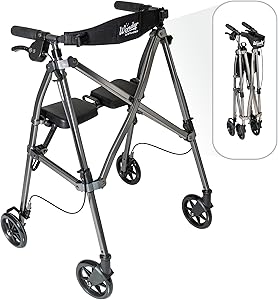
Staying active is one of the most important things seniors can do to maintain cardiovascular health, joint mobility, and independence. Recumbent exercise bikes offer an ideal low-impact cardio solution for older adults — the reclined seating position reduces stress on the lower back and hips, the step-through frame eliminates the need to swing a leg over a seat, and the pedaling motion is gentle on knees compared to upright cycling or running. Whether recovering from joint replacement surgery or simply maintaining fitness, a quality recumbent bike belongs in virtually every senior’s home gym setup.
This review evaluates the best recumbent exercise bikes for seniors based on seat comfort, ease of entry, resistance range, display readability, and overall stability — the factors that matter most for older adult users exercising independently at home.
As an Amazon Associate we earn from qualifying purchases at no extra cost to you.


Quick Picks: Best Recumbent Exercise Bikes for Seniors
Why Trust Our Picks
Our editorial team evaluated recumbent bikes specifically through the lens of senior fitness needs, consulting physical therapist guidelines for older adult cardio exercise, verified buyer reviews from users over 65, and manufacturer specifications. We focused on bikes that are stable enough for users with balance concerns, simple enough to operate without a technology learning curve, and comfortable enough for the 20–40 minute sessions that cardiologists recommend for senior cardiovascular health.
Best Recumbent Exercise Bikes for Seniors: In-Depth Reviews
1. Schwinn 270 Recumbent Bike — Best Overall
The Schwinn 270 is the gold standard for home recumbent bikes, and it earns that reputation in the senior market through a combination of seat quality, resistance range, and thoughtful ergonomics. The contoured seat includes actual lumbar support — not just padding, but a shaped backrest that mimics proper spinal curvature. The step-through design is low and wide, making mounting and dismounting safe for seniors with hip or knee limitations.
With 25 resistance levels, the Schwinn 270 accommodates seniors at every fitness level, from those just starting cardio after a sedentary period to those maintaining an established routine. The dual LCD displays are clearly readable from the seated position, showing time, distance, heart rate (via grip sensors), and calories. Bluetooth syncing with popular fitness apps like Nautilus and MyFitnessPal allows family members or physicians to monitor workout data remotely.
| Spec | Detail |
|---|---|
| Resistance levels | 25 magnetic |
| Max weight capacity | 300 lbs |
| Bluetooth | Yes |
| Heart rate monitor | Grip sensors |
Pros: Excellent lumbar-support seat; 25 resistance levels; Bluetooth tracking; clear dual displays; 300 lb capacity.
Cons: Higher price point; heavier unit makes repositioning in a room difficult; some users find app setup complex.
2. Marcy Recumbent Exercise Bike ME-709 — Runner-Up
The Marcy ME-709 has earned a devoted following among seniors and their caregivers for its combination of solid build quality, reasonable price, and genuinely easy step-through entry. The frame sits low to the ground, reducing the risk of stumbling when mounting, and the seat slides back and forth smoothly to accommodate riders from 5’1″ to 6’3″. Eight magnetic resistance levels provide enough variety for a productive workout without overwhelming a beginner.
The LCD computer tracks time, distance, speed, and calories on a simple single-screen display that requires no app, no Bluetooth pairing, and no charging. For seniors who want straightforward exercise without technology complexity, this simplicity is a genuine advantage. The bike also weighs approximately 55 pounds with transport wheels, making it manageable to move between rooms.
Pros: Simple operation; low step-through entry; adjustable seat range; transport wheels; mid-range price.
Cons: Only 8 resistance levels (less progression room than the Schwinn); basic display with no connectivity; seat padding could be thicker for long sessions.
3. Vive Recumbent Exercise Bike — Best Budget
The Vive recumbent bike targets seniors who need a basic, functional cardio option at minimal cost. The mechanical resistance dial eliminates all electronic components, making it extremely reliable — there’s nothing to malfunction, no batteries to replace, and no displays to learn. The wide padded seat is comfortable for extended use, and the compact footprint fits in smaller apartments or bedrooms.
At roughly half the weight of the Marcy, it’s easy to move between storage and use positions. This bike works best for light to moderate exercise — seniors recovering from illness, doing gentle rehabilitation, or maintaining basic leg strength will find it perfectly adequate. It is not designed for high-intensity training.
Pros: Very lightweight; no electronics to maintain; wide comfortable seat; affordable; compact.
Cons: Limited resistance range; no data tracking; less stable at higher resistance settings; not suitable for vigorous workouts.
Buyer’s Guide: Choosing a Recumbent Bike for Seniors
Seat Comfort and Adjustability
The seat is the most important component for senior comfort. Look for a contoured backrest with lumbar support, not just a flat padded surface. Seat-to-pedal distance should be adjustable to accommodate the user’s leg length — proper extension at the bottom of the pedal stroke (a slight bend remaining in the knee) is important for joint health.
Step-Through Frame Height
All recumbent bikes have a step-through design, but the height of the step varies significantly between models. Lower step-throughs (under 10 inches from floor to seat base) are much safer for seniors with hip restrictions, balance issues, or knee pain. Measure the step height before purchasing if mobility is a significant concern.
Resistance Type
Magnetic resistance is quieter and more consistent than friction-based systems — strongly preferred for home use in shared living spaces. More resistance levels provide finer control over workout intensity, which matters as seniors build fitness over time. At minimum, 8 levels is adequate; 16 or more is ideal for long-term progression.
Frequently Asked Questions
How long should a senior exercise on a recumbent bike?
The American Heart Association recommends at least 150 minutes of moderate aerobic activity per week for adults, which translates to about 20–30 minutes of cycling 5 days per week. Seniors new to exercise should start with 10-minute sessions and gradually increase duration. Always consult a physician before beginning a new exercise program, particularly after cardiac events or joint surgery.
Is a recumbent bike good for seniors with knee pain?
Yes — recumbent bikes are among the lowest-impact cardio options available and are frequently recommended by physical therapists for seniors with knee osteoarthritis, post-knee-replacement recovery, and general knee pain. The reclined position reduces the load on the knee joint compared to upright cycling, and the smooth pedaling motion avoids the impact forces associated with walking or jogging.
Can I use a recumbent bike if I have heart disease?
Many cardiac rehabilitation programs use recumbent bikes as a primary exercise modality. However, anyone with diagnosed heart disease should obtain physician clearance before beginning home exercise. Use the built-in heart rate monitor (if available) to stay within your prescribed target heart rate zone during sessions.
Final Verdict
The Schwinn 270 is the best recumbent bike for seniors who want a long-term fitness investment with room to progress — its superior seat, 25-level resistance, and connectivity features justify the higher price for committed users. The Marcy ME-709 is the best value for seniors who want reliable daily exercise without technology complexity. The Vive suits seniors who need light activity support at the lowest possible cost. Regardless of which model fits your budget, adding a recumbent bike to a senior’s daily routine is one of the most effective steps toward maintaining cardiovascular health, leg strength, and overall vitality in later years.
Related Reviews & Guides





Cost of In-Home Care: 2026 Pricing and Affordable Options

Senior Playing Card Holder Arthritic Hands Review